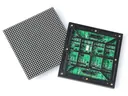
 Outdoor SMD Screens
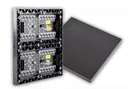 Indoor SMD Screens
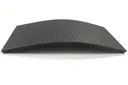 Flexible SMD Screens

Beyond Shopping: Analyzing the Packages Mall “Experience” and the Role of Digital Signage for Malls
Large malls such as Packages Mall in Lahore show how digital signage can support the shopper experience. This article looks…
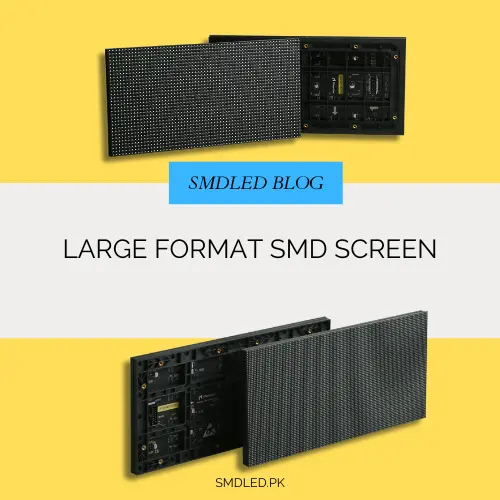
Note: this article uses the Gaddafi Stadium scoreboard as an illustrative example of a large-format screen. It is not a report of an SMDLED installation at the stadium and does not describe the stadium’s actual equipment or commercial arrangements; figures are indicative.
When cricket comes to Lahore, tens of thousands of fans fill Gaddafi Stadium, and the big screen is one of the places everyone looks: for the score, replays and announcements. That is the power of a large format SMD screen.
Many business owners see a screen like that and think, “That’s for sports, not for me.” But the same principles apply to many businesses.
At SMDLED.pk we supply LED displays, and a stadium screen is a specialised example of technology that other businesses can use too.
Whether you own a plaza, a factory, a university or a building facing a main road, here are four lessons a stadium-style large format SMD screen can teach.
A stadium screen must be readable from the furthest seats, so it has to be large. Its size also makes it the focal point of the venue.
The Business Takeaway: In a crowded market, size and placement help your message get noticed. A small sign on a large building is easily missed; a well-sized screen can make your building more recognisable. Choose the size for the viewing distance and the site, and the screen type for the location: for building exteriors this means an outdoor-rated screen, while indoor fine-pitch products such as the BIA HDR 4K LED Video Wall suit lobbies and halls.
A stadium screen is more than a scoreboard. During a match, a typical stadium screen might:
It is a versatile content hub.
The Business Takeaway: Your screen can be too. Rather than looping a logo, it could cycle through:
Varied, well-planned content keeps a screen useful and interesting. On screens visible from roads, keep content simple and follow local rules.
Imagine a stadium screen going blank in the last over of a final. Fans and sponsors would be disappointed, and the venue’s reputation would suffer.
For an outdoor stadium-style screen, key requirements are typically:
The Business Takeaway: Don’t choose on price alone. A low-quality screen with dead pixels, flicker or water damage can harm your brand more than no screen at all.
When choosing a supplier, look for:
Stadium screens commonly carry sponsors’ adverts, because a large, attentive crowd is valuable to advertisers.
The Business Takeaway: A screen on a well-located building may also be able to carry paid advertising, where local rules allow. Possible models include:
Whether and how quickly a screen pays for itself depends on location, demand, approvals, sales effort, electricity, maintenance and financing. Build a realistic plan with your own figures before investing.
You don’t need to host a cricket match to use a large format SMD screen well. Adopt the same thinking:
A well-planned large screen can be a strong branding and communication tool for a business.
Your building can be your stage. A large, well-run screen can show your brand with confidence.
SMDLED.pk supplies indoor and outdoor LED screens, including our own BIA brand, and can help you plan a large-format project.
Contact us to discuss your project, and explore our BIA HDR 4K Video Walls and other products.
1. What is the right pixel pitch for a large format SMD screen? It depends on the viewing distance and the content. Coarser pitches such as P8, P10 or P16 are often used for screens viewed from far away, using outdoor products such as an Outdoor SMD Module. Also check the native resolution: screen width (mm) ÷ pitch = pixels across. A coarse pitch on a small screen gives very few pixels, which limits the detail and text you can show.
2. How much does a large format SMD screen cost? It depends on size, pixel pitch, brightness, structure and installation. It is a significant investment; if you plan to sell advertising, model the expected income and costs carefully. Contact us for a written quotation.
3. What are the power requirements for a screen that big? Large screens need a dedicated, properly protected supply. Whether single-phase or three-phase is appropriate depends on the screen’s power figures and the site’s supply; this must be designed by a qualified electrician, and the structure by a qualified structural engineer.
4. How long does a large format SMD screen last? Lifespan depends on component quality, operating hours, brightness, climate and maintenance. Check the manufacturer’s rated lifetime and the warranty for the specific product.
5. How is a large format SMD screen installed on a building? Usually on a steel support structure designed by a qualified structural engineer and securely anchored to the building’s structure, with the building owner’s consent and any required approvals. Electrical work is done by qualified electricians. Ask us what our scope covers for your project.
Large malls such as Packages Mall in Lahore show how digital signage can support the shopper experience. This article looks…
Lahore's historic Mall Road is a prestigious place to advertise. This article looks at what digital SMD advertising could offer…
In the crowded heart of Liberty Market, visibility matters. This guide is for Lahore retailers considering digital displays: what SMD…