 Outdoor SMD Screens
 Indoor SMD Screens
 Flexible SMD Screens

SMD Screens and Touch Technology: The Seamless Integration
Can SMD LED screens be touch screens? This article explains how touch technology is added to LED video walls and…

5G mobile networks and SMD LED screens are two separate technologies that increasingly meet in digital signage. In this article, “SMD” means Surface-Mount Device, the LED package used to build modular LED screens and video walls. 5G is a mobile network standard. A 5G connection can carry content and control data to a networked screen, but the screen itself does not make the network faster or more reliable. Below we look at where the two meet, the realistic benefits and the limits.

Modular SMD LED screens are used for billboards, shopfronts, stages and video walls. They are built from LED modules, cabinets, receiving cards and a sending controller or media player. These are different from the small LCD or OLED panels inside smartphones and tablets, which are a separate display technology.
Where 5G fits in is the network link to the screen’s media player or controller. Instead of a fixed broadband line, a site with good 5G coverage can use a 5G router to:
The screen’s job stays the same: display the picture clearly. The benefit of 5G is in how content reaches the player, not in the display hardware.

No. A display does not process or transmit network data, so its technology does not change 5G download speed, signal strength or latency. Those depend on the mobile network, coverage at the site, the router and its antenna placement, and network load.
A few practical points matter for a networked LED screen:

When a site has good 5G coverage, it can make some screen applications easier:
Results depend on real-world conditions. Mobile speeds vary with location, time of day and network load, so a backup connection or pre-loaded content is sensible for anything important.

If you plan to connect an LED screen over 5G:
The screen’s refresh rate and resolution affect how the image looks, not network latency. Choose them based on viewing distance and camera needs, not on the network.
Q: What is the relationship between SMD screens and 5G technology?
A: They are separate technologies. 5G can provide the network connection that delivers content and control data to an LED screen’s media player. The screen displays the content; it does not affect network performance.
Q: How does 5G technology impact SMD screens?
A: Where coverage is good, 5G can make remote content updates and live streaming to a screen practical without a fixed line. Actual speed and reliability depend on the network, site and equipment.
Q: What benefits can users expect from combining SMD screens and 5G?
A: Easier deployment at sites without broadband, quicker remote content updates and, where conditions allow, live content. Plan for local playback and a backup connection.
Q: Do SMD screens make 5G faster or more stable?
A: No. Network speed and stability depend on coverage, the router, the antenna and the network. A screen should meet its manufacturer’s electromagnetic compatibility requirements so it does not cause interference.
Q: Are there challenges in connecting SMD screens over 5G?
A: Yes: variable coverage, signal blocking by metal structures, data usage and network security. Test on site and keep content stored locally on the player.
Q: How does the future look for SMD screens and 5G?
A: As mobile coverage expands, more networked screens may use 5G for content delivery, especially at temporary or remote sites. The display technology and the network will continue to develop separately.
SMD LED screens and 5G networks complement each other: the network delivers content and control data, and the screen displays it. 5G can make remote updates, temporary installations and live content easier where coverage is good, but it does not change how the screen performs, and the screen does not change how the network performs.
For a reliable result, test coverage on site, use local playback, secure remote access and plan a backup connection.
Choosing a screen? Start with pixel pitch explained, compare indoor and outdoor screens, or browse our SMD screen products.
Contact Us For Free Consultation at 0306-1333384
Powered By BIA Communications
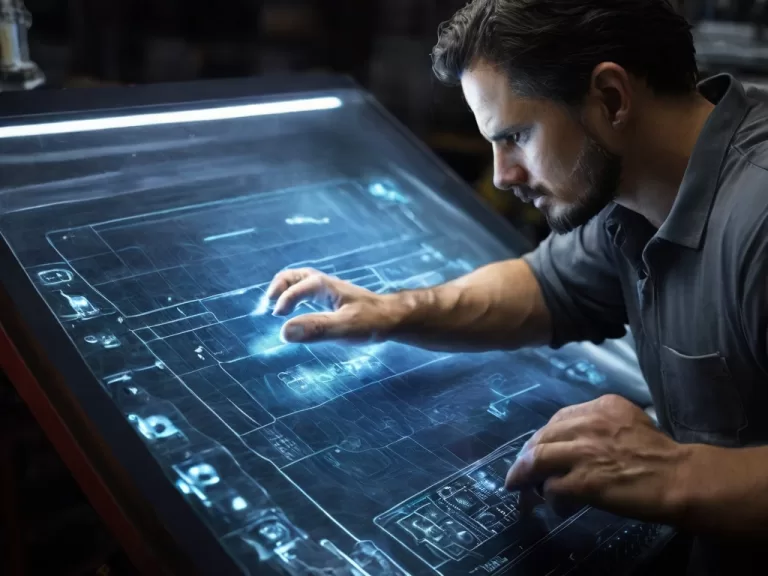
Can SMD LED screens be touch screens? This article explains how touch technology is added to LED video walls and…
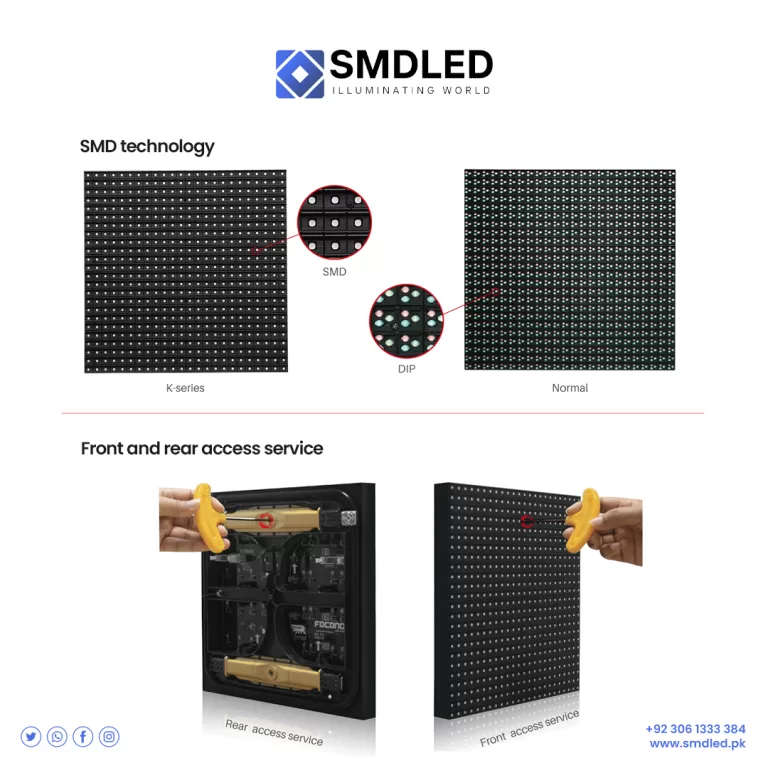
A clear look at the components of an SMD LED screen: LED packages, driver ICs, PCBs, modules, cabinets, power supplies…
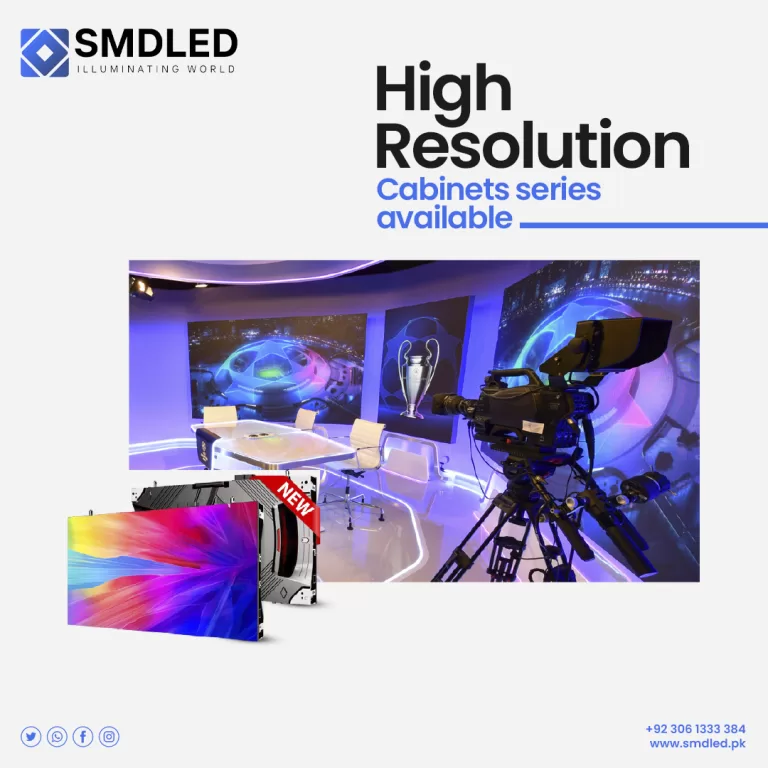
How large SMD LED screens are used in gaming venues, e-sports events and entertainment spaces: what they do well, what…