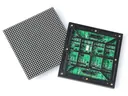
 Outdoor SMD Screens
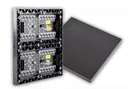 Indoor SMD Screens
 Flexible SMD Screens

SMD Screens For Product Promotion: A Gateway to Dynamic Marketing
Introduction: SMD Screens For Product Promotion Surface Mount Device (SMD) LED screens are a popular way to promote products in…

Screens are now part of how buildings, shops and venues look, not just how they communicate. SMD LED screens, built from Surface-Mount Device LED packages on modular panels, give designers a lot of freedom: slim cabinets, seamless video walls, and curved or custom shapes. This article looks at the design side of SMD screens, the image-quality factors that affect how they look, and practical recommendations for integrating them into a space.

An SMD LED screen is a direct-view display: each pixel is an LED package, usually containing red, green and blue chips, that produces its own light. There is no backlight. Screens are built from modules and cabinets, which gives designers several options:
| Design Feature | What It Allows |
|---|---|
| Modular cabinets | Custom sizes and aspect ratios |
| Wide viewing angles | Consistent image for viewers spread across a room, within the stated viewing angle |
| Curved or flexible modules | Columns, curves and creative shapes, within manufacturer limits |
These options make LED screens popular for retail interiors, building lobbies, stages and architectural features.

How a screen looks in its space affects how people respond to it. Good integration considers:

Three image-quality factors have the biggest effect on how an SMD screen looks:

To get a screen that looks good and works well:
Q: What are SMD screens and how do they differ from other types of screens?
A: SMD screens are direct-view LED displays where each pixel is a Surface-Mount Device LED package. Unlike LCD screens, they have no backlight; each pixel makes its own light. They are modular, so they can be built in many sizes.
Q: What are the key design advantages of SMD screens?
A: Seamless large surfaces, flexible sizes and aspect ratios, slim cabinets and options for curves and custom shapes.
Q: Can SMD screens be customized to fit specific design requirements?
A: Yes, within the limits of cabinet sizes and the manufacturer’s bend limits for curved or flexible modules. Non-standard shapes often need custom engineering.
Q: How does the use of SMD screens affect the user experience?
A: Bright, clear visuals can make content more engaging, provided the pitch, brightness and content suit the space.
Q: Are all SMD screens suitable for outdoor installations?
A: No. Only outdoor-rated models should be used outdoors. They have IP ratings such as IP65 (dust-tight and protected against low-pressure water jets) and higher brightness. Wind and temperature performance also depend on the structure, ventilation and operating temperature range.
Q: How do SMD screens support sustainable design?
A: Efficient LEDs, automatic dimming and repairable modules can reduce energy use and waste. Check datasheet power figures, as large screens still use significant power.
Q: Are there limitations to consider?
A: Cost per square metre is higher for fine pitches; screens need periodic maintenance and occasional module replacement; and they need ventilation and proper structural support.
SMD LED screens give designers a flexible way to bring moving images into architecture and interiors, with seamless surfaces, custom sizes and creative shapes. The best results come from choosing the right pixel pitch, calibrating well, planning ventilation and access, installing safely, and designing content that suits the space.
Working with curves or tight spaces? See our flexible SMD screens, the slim BIA Ultra Thin SMD Screen Module, or browse all SMD screen products.
Contact Us For Free Consultation at 0306-1333384
Powered By BIA Communications

Introduction: SMD Screens For Product Promotion Surface Mount Device (SMD) LED screens are a popular way to promote products in…

Marketing through SMD Screens In modern marketing, getting noticed is a constant challenge. One option many businesses are using is…
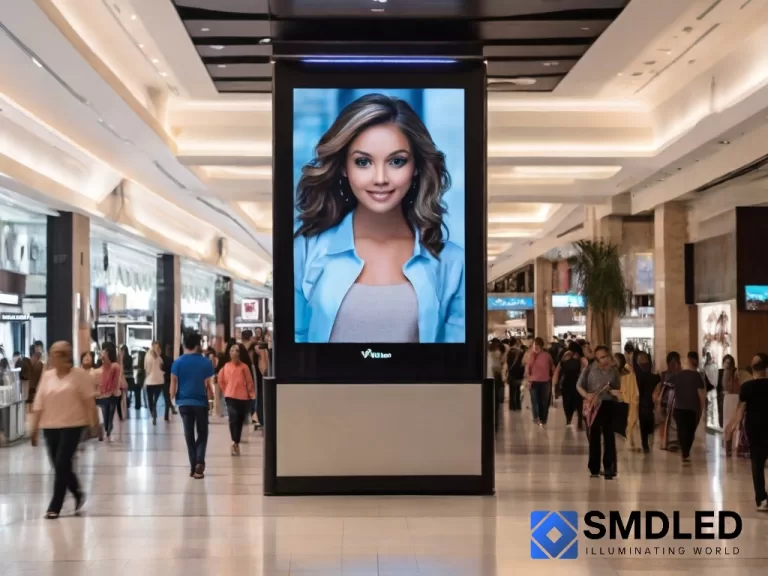
Indoor SMD Screens: Illuminating Spaces with Technology 1. Introduction 1.1 What are SMD Screens? SMD stands for Surface-Mount Device. In…