 Outdoor SMD Screens
 Indoor SMD Screens
 Flexible SMD Screens

Types of SMD Screens, Pixel Pitch, and Their Diverse Applications
Types of SMD Screens: Types, Pixel Pitch, and Their Diverse Applications SMD (Surface-Mount Device) LED screens are widely used for…

In a world where digital marketing plays a central role, businesses keep looking for new ways to capture attention. SMD LED screens, built with Surface-Mounted Device (SMD) LEDs, are one of the tools making a difference in physical spaces. In this blog post, we look at the benefits of SMD screens and where their use in marketing is heading.

SMD screens are direct-view LED displays made from modules covered in surface-mounted LED packages, each usually containing red, green and blue chips. The modules are joined into cabinets to build screens of almost any size, from small indoor signs to large digital billboards. Most SMD screens are rigid, though flexible LED modules are also available for curved installations. SMD is also a general electronics term for components mounted on a board’s surface; phones and TVs use SMD components, but their screens are typically LCD or OLED panels, a different display technology.

SMD screens can show bright, vivid images, and finer pixel pitches give sharp detail for close viewing. Good visuals help marketing content stand out, though the content itself still decides how well it works.
SMD screens come in many sizes and shapes, suitable for in-store displays, trade show booths, outdoor billboards and digital signage.
Modern LED components are more efficient than older generations, and brightness can be reduced indoors or at night. Power use still depends on size, brightness and operating hours, so include electricity in your running-cost estimates.
LED video walls are not touchscreens themselves, but they can be paired with touch kiosks, motion sensors or QR codes to let customers interact. Any data collected through interactive features should be handled in line with privacy laws.
Many SMD screens can adjust brightness automatically using a light sensor, or on a schedule, so content stays visible in daylight without being too bright at night. Check whether this feature is included in the model you choose.

Digital screens are increasingly common alongside printed signs, and the technology continues to improve. Developments to watch include:
Content management systems increasingly let businesses schedule content by time, location or weather, and AI tools help produce variations. Personalisation on public screens is usually based on context rather than identifying individuals, which helps respect privacy.
Screens can be combined with AR experiences on customers’ phones, for example through QR codes, letting people view products virtually.
Screens can link to customers’ smartphones through QR codes or apps, offering more information or offers when people choose to engage.
Play logs, QR scans and anonymous footfall counts help businesses understand campaign performance and refine their strategies.

In conclusion, SMD screens have a strong future in marketing, offering good visual quality and flexibility. Businesses that choose the right specification, create good content and measure results will get the most from them.
Contact Us for a free consultation at 0306-1333384
Powered By BIA Communications
Choosing a screen? Compare indoor SMD screens and outdoor SMD screens, browse our SMD screen products, or ask for a free quote.
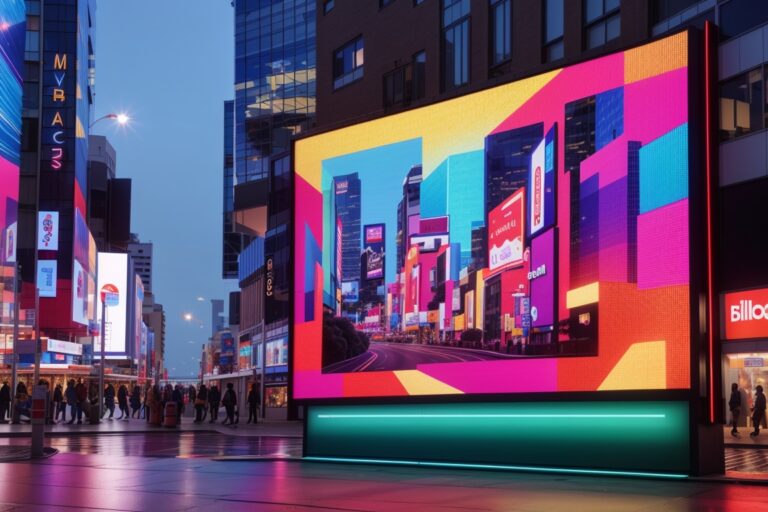
Types of SMD Screens: Types, Pixel Pitch, and Their Diverse Applications SMD (Surface-Mount Device) LED screens are widely used for…
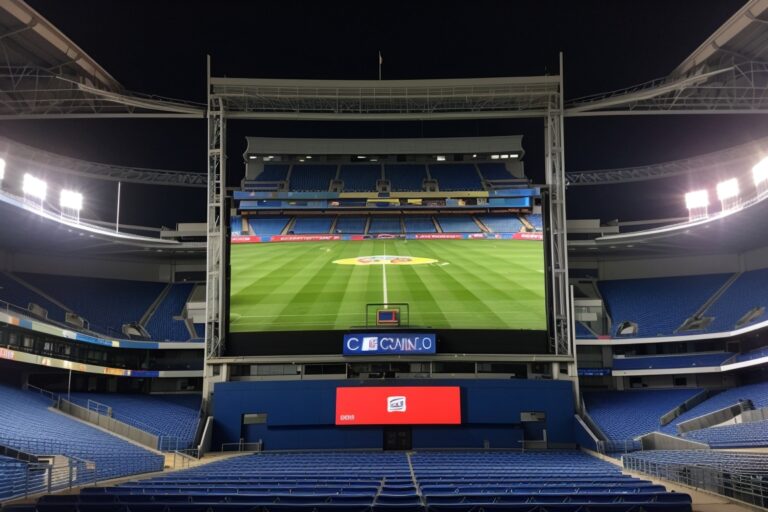
Benefits of Outdoor SMD Screens Outdoor SMD screens have become a familiar part of public spaces. These bright, weather-resistant LED…
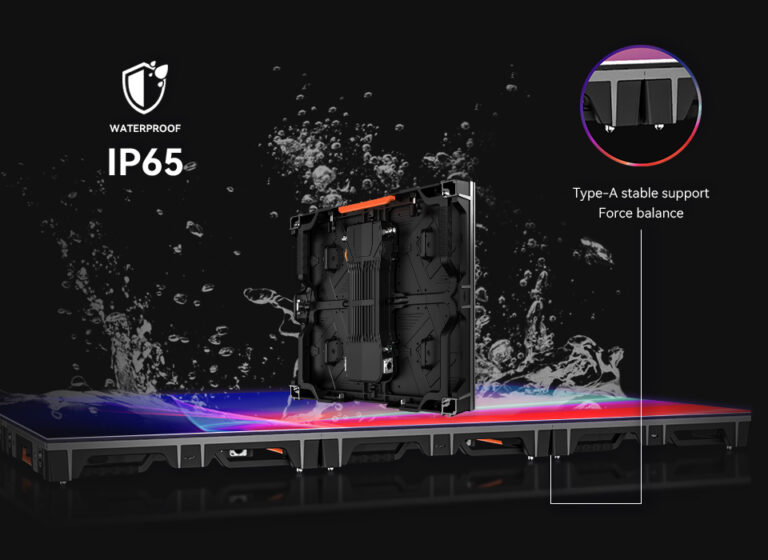
Latest Technology for Digital Billboards SMD LED, Message Displays and Interactive Features Explained Digital billboards have changed outdoor advertising by…