 Outdoor SMD Screens
 Indoor SMD Screens
 Flexible SMD Screens

SMD Screens in Wearable Technology: What SMD Really Means
Where SMD LED technology really appears in wearables: surface-mount electronics inside devices, and SMD LEDs in light-up costumes, wristbands and…


Welcome to the future of visual technology! In this guide, we’ll explore the advantages that Surface Mount Device (SMD) screens can offer over traditional display technologies. From sleek designs to dynamic applications, discover why SMD screens are reshaping the way we see the world.
In a world where appearance matters, SMD screens stand out with their sleek, slim cabinets. Many models blend into modern interiors more easily than bulky traditional signage, offering a visually pleasing experience in various settings.
SMD packaging allows LEDs to be placed close together, so SMD screens can achieve fine pixel pitches and sharp images. Choose a pixel pitch that suits your viewing distance to get the clarity you need.
LEDs are efficient light sources, and SMD screens with automatic brightness control and sensible operating hours can keep power use in check. Actual consumption depends on screen size, brightness and content, so compare datasheet figures.

Whether it’s a corporate boardroom or a showroom, modular SMD screens can be sized to fit diverse environments. This adaptability makes them a popular option for architects and designers aiming to create immersive visual experiences.
Quality SMD screens are designed for long operating hours, and outdoor models are built with weather-rated cabinets. Service life still depends on the model, brightness, heat and maintenance, so check the manufacturer’s specifications and warranty.
SMD screens are used alongside emerging technologies, for example as large displays in learning spaces or as backdrops for augmented reality experiences. Interactive features depend on additional hardware and software.
For businesses aiming to capture audience attention, SMD screens can be a powerful tool. Engaging, well-designed content can help commercial spaces create memorable brand experiences and encourage customer engagement.
Modular SMD screens can make maintenance more manageable: many models allow individual modules or power supplies to be replaced by trained technicians, and some offer front-service access. Screens still need regular inspection and cleaning (with the power off), and downtime depends on spare parts and support availability.
As we conclude our journey through the advantages of SMD screens, it’s clear that they are a strong option for modern visual communication. Choose the right model for your space, install it properly and maintain it well to get the most from your SMD screen.
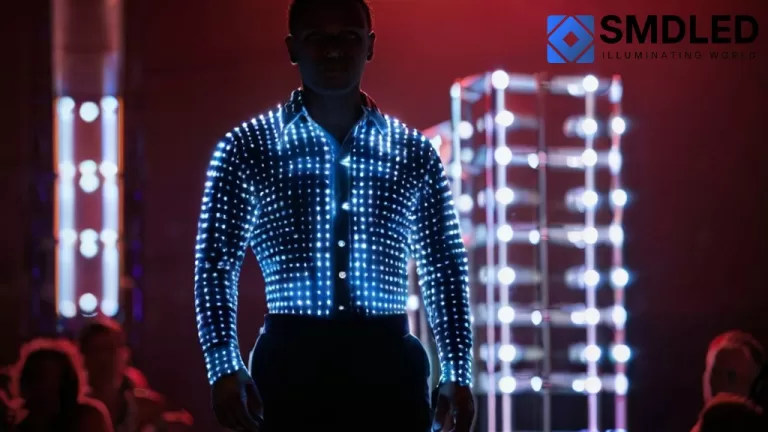
Where SMD LED technology really appears in wearables: surface-mount electronics inside devices, and SMD LEDs in light-up costumes, wristbands and…
Where SMD LED screen technology is heading: finer pixel pitches, COB and microLED packaging, flexible and transparent formats, better efficiency…
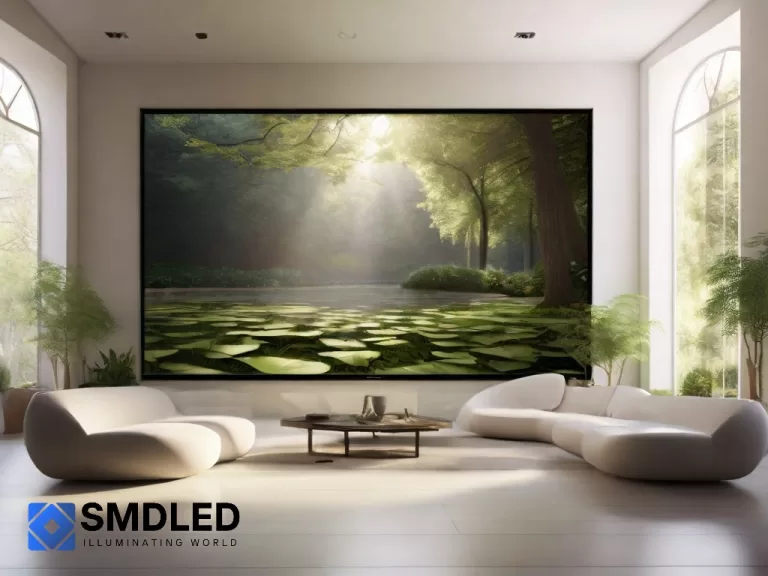
A practical guide to choosing an SMD LED screen for your project: indoor vs outdoor, full-colour vs single-colour, pixel pitch,…