 Outdoor SMD Screens
 Indoor SMD Screens
 Flexible SMD Screens

How to Choose the Perfect SMD Screen for Your Business
How to Choose the Perfect SMD Screen for Your Business Introduction A well-chosen display can help a business attract customers,…


SMD (Surface Mount Device) LED screens are widely used for indoor and outdoor displays. If you are planning to buy one in Pakistan, understanding what drives the cost will help you compare quotations and avoid surprises. This guide explains those factors. We do not list prices, because they depend on the specification and change over time; for current figures, ask for a written quotation. For more detail, see our SMD screen price in Pakistan buyer’s guide.
SMD screens are LED displays built from small surface-mounted LED packages soldered directly onto circuit boards, grouped into modules and cabinets.
Each SMD package usually contains red, green and blue LED chips that together form one pixel. Compared with older DIP (through-hole) displays, SMD generally allows finer pixel pitches and more uniform colour mixing.
Typical advantages include finer pitches for close viewing, good colour uniformity and wide viewing angles. Actual performance depends on the specific product.
Designed for indoor use, usually with finer pitches and indoor brightness levels, for meeting rooms, retail and indoor advertising.
Built with weather sealing and much higher brightness for daylight, for billboards, stadiums and outdoor events.
Built with bendable modules that can follow curves, within the manufacturer’s limits, for creative installations.
Pixel pitch is the distance between the centres of neighbouring pixels. A smaller pitch means more pixels per area and usually a higher cost per area; for example, P6 generally costs more per area than P10.
Larger screens need more modules and cabinets and usually a larger structure, so the total cost rises with size.
Resolution depends on size and pitch together. Choose the pitch for your viewing distance and content.
The LED packages, driver ICs, power supplies and control system affect quality and cost. Compare specifications, not just brand names.
Outdoor weather protection, higher refresh rates for cameras, calibration and advanced control systems all add cost. Choose the features your application needs.
Cost per area rises as the pitch gets finer. Very fine pitches cost the most.
At the same pitch, outdoor screens usually cost more than indoor screens because of brightness and weather protection. Coarse outdoor pitches such as P10 are usually the most economical per area.
Flexible modules and the custom frames they need usually cost more than standard flat screens.
Modules, cabinets, power supplies and receiving cards, which depend on pitch, size and specification.
The controller or video processor, the supporting structure (designed by a qualified engineer), electrical work by a qualified electrician, and installation are often quoted separately.
Budget for electricity, periodic maintenance by trained technicians, spare parts and software updates.
Buying from a local supplier usually means local warranty support, spare parts and installation help. Compare quotations on the same specification.
Importing can look cheaper on paper, but you take on shipping, clearance, handling and quality risks, and after-sales support is harder. See our guide to importing SMD screens vs buying locally.
Many LED screens and components are manufactured in Asia, particularly China, by a wide range of manufacturers. Check that products meet your quality requirements. BIA, SMDLED’s own brand, also offers SMD screens in Pakistan.
Set a budget that covers the whole project, not just the screen.
Look for suppliers with a good track record, clear datasheets and local support.
Get warranty terms in writing, and ask about spare parts and response times.
If you need several screens, discuss the whole project with suppliers; terms may differ for larger orders.
Allow time to collect and compare quotations rather than buying in a hurry.
Used or refurbished screens may cost less, but check their condition, remaining lifespan, spare-parts availability and warranty carefully.
Well-known LED display manufacturers include Leyard, Samsung, Absen and Unilumin, among many others. Biasmd is SMDLED’s own BIA brand.
Well-known brands offer recognised quality; lesser-known brands may offer good value. Compare specifications, warranty and support before deciding.
Pitches continue to get finer, allowing higher resolution at smaller sizes.
Newer designs aim to reduce power use for the same brightness.
Control systems increasingly offer scheduling, remote monitoring and data-driven content.
Retailers, offices, event venues, restaurants and advertisers use SMD screens for promotion and communication.
Whether a screen pays off depends on how it is used. Set clear goals, such as increased footfall or advertising income, and measure results against the total cost.
Include structure, installation, electricity and maintenance, not just the purchase cost.
Check that the screen works with your content sources, controllers and power supply.
A reputable supplier with local support reduces risk.
Pixel pitch, size, indoor or outdoor design and component quality, plus the structure and installation.
It depends on component quality, operating hours, brightness, environment and maintenance. Check the manufacturer’s rated lifetime and warranty.
They can be, when the screen suits the location and purpose and its costs are planned realistically.
No. Installation involves mains electricity, heavy equipment and often work at height. Use trained installers, a qualified electrician and, for structures, a qualified engineer.
Periodic cleaning as the manufacturer instructs, inspections by trained technicians, approved software updates and replacement of failed parts.
The cost of an SMD screen depends on pitch, size, design, components, installation and running costs. Understanding these factors will help you compare quotations and choose a screen that fits your needs.
Choosing a screen? Start with pixel pitch explained, compare indoor and outdoor screens, or browse our SMD screen products.

How to Choose the Perfect SMD Screen for Your Business Introduction A well-chosen display can help a business attract customers,…
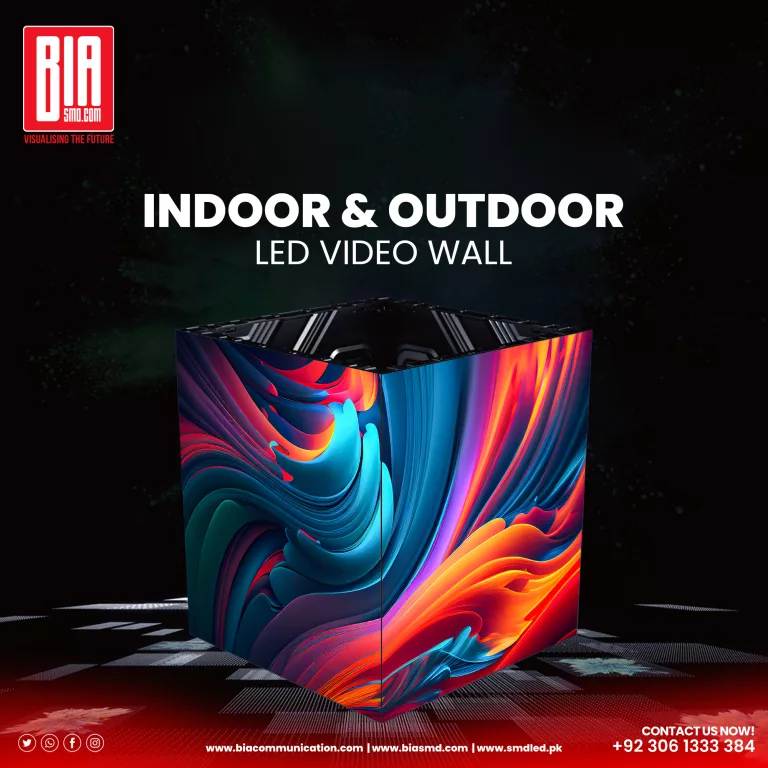
LED Screens for Home Theaters: 10 Options to Consider Note: This is an overview of well-known LED display options for…
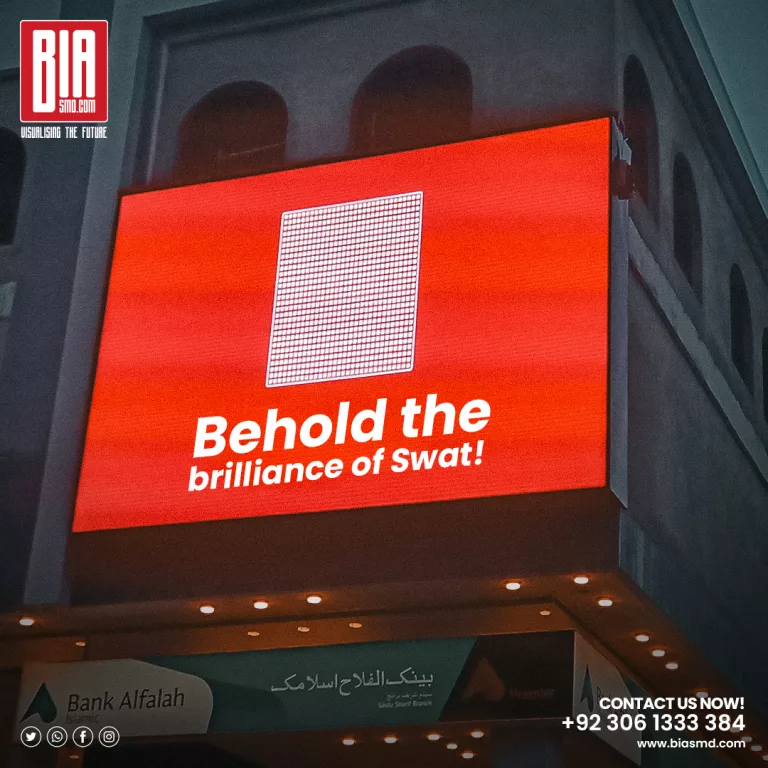
What a video wall is, how LED, LCD and projection video walls differ, where they are used, and how to…