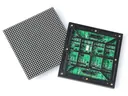
 Outdoor SMD Screens
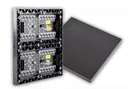 Indoor SMD Screens
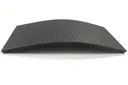 Flexible SMD Screens

What is a Video Wall?
What a video wall is, how LED, LCD and projection video walls differ, where they are used, and how to…

Note: This is an overview of well-known LED display options for home cinema, not a tested ranking. We have not independently tested these products, model names and specifications change frequently, and SMDLED does not supply every brand listed. Always check the manufacturer’s current specifications and local availability.
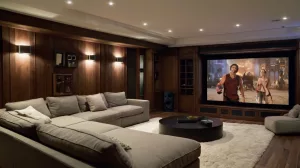
For movie fans and gamers, the screen is the heart of a home theater. Large LED displays are an increasingly popular alternative to projectors and TVs for big home cinema walls. This guide explains how LED technologies differ, what to look for, and some of the well-known product families on the market.
SMD stands for Surface-Mounted Device. In an SMD LED screen, the red, green and blue LED chips sit together in a small package mounted on a circuit board, and modules are joined into a seamless wall. Each LED produces its own light, so there is no backlight, unlike an LCD TV.
Several “direct-view LED” technologies are used in home cinema:
Some of the products below use COB or MicroLED rather than SMD; we have noted where this is commonly the case.
LED walls offer high brightness, strong contrast and vibrant colours, and they can be built larger than most TVs without bezels. For home cinema, they need a fine pitch, because viewers sit relatively close.
Match the screen size to your room and seating distance. Because you sit close in a home cinema, a fine pixel pitch is needed so individual pixels are not visible.
On an LED wall, resolution depends on the pitch and size. A 4K picture on a home-sized wall requires a very fine pitch. Check the native resolution of the specific configuration.
Home cinemas are usually dark, so very high brightness is not essential; good contrast, smooth low-brightness performance and accurate colour matter more.
The LED refresh rate (often thousands of Hz) affects flicker and how the screen looks on camera. The input frame rate the processor accepts (for example 60Hz or 120Hz) matters for smooth gaming and sports. These are different specifications, so check both.
LED walls are heavy and need a solid wall or frame, adequate ventilation and a suitable power supply. Some models use fans, which can be audible in a quiet room. Professional installation by qualified engineers and electricians is recommended.
Here are ten well-known options and categories. Specifications vary by configuration and change over time, so confirm current details with the manufacturer or supplier.
Our own BIA range includes indoor modules and video walls that can be configured for home cinema walls. Ask us about fine-pitch options, native resolution for your wall size, and noise and ventilation for a home setting.
Samsung’s modular MicroLED display range, offered in large sizes for premium installations.
LG’s MicroLED display range, including home-oriented all-in-one models.
Sony’s premium direct-view LED range, used for very large, high-resolution walls.
ViewSonic offers large all-in-one LED displays aimed at simpler installation.
Absen’s all-in-one LED display range, available in several sizes.
Barco offers fine-pitch LED products, mainly for professional applications.
Planar (part of the Leyard group) offers fine-pitch LED video walls in many configurations.
Leyard offers a broad range of fine-pitch LED walls, including COB and MicroLED options.
Optoma offers all-in-one LED displays for large-format viewing.
LED displays can create an impressive home cinema, from configurable walls such as our BIA range to premium MicroLED products. The right choice depends on your room size, seating distance, required resolution, noise tolerance and budget. Consider pitch, native resolution, refresh and frame rate, installation and ventilation before deciding. You can browse our SMD screen products to get started.
SMD packages the red, green and blue LEDs together on the board surface, allowing finer pitches and smoother images. DIP uses larger through-hole LEDs and is mainly used for coarse-pitch, very bright outdoor displays.
It depends on the model. All-in-one displays are simpler, while custom walls need a properly designed mounting structure, ventilation and electrical work by qualified professionals.
Keep the screen and vents dust-free, cleaning only as the manufacturer advises with the screen switched off, and recalibrate if colours become uneven over time.
Power use depends on size, brightness and content. In a dark home cinema, screens usually run at low brightness, which helps. Check the specification for typical and maximum power.
Only outdoor-rated LED screens should be used outdoors. Indoor home cinema screens are not designed for weather exposure. Outdoor models have suitable IP ratings and higher brightness, and need professional installation.
If you are planning a home cinema wall, SMDLED.PK can help you choose a suitable LED screen, including our own BIA range, and work out the pitch and size for your room. Visit SMDLED.PK to learn more.
Choosing a screen? Compare indoor SMD screens and outdoor SMD screens, browse our SMD screen products, or ask for a free quote.

What a video wall is, how LED, LCD and projection video walls differ, where they are used, and how to…
Where to buy SMD screens in Pakistan, what types are available, and how to check any supplier before you buy,…
In today’s rapidly advancing technological landscape, understanding the nuances of various display technologies is essential. One such technology that has…