 Outdoor SMD Screens
 Indoor SMD Screens
 Flexible SMD Screens

SMD Screens vs. OLED Displays: A Head-to-Head Comparison
SMD LED screens and OLED displays both create light at each pixel, with no backlight, but they serve different jobs.…

Introduction:
Gaming and entertainment venues, from e-sports events and gaming lounges to cinema-style screenings, clubs and concerts, increasingly use large SMD (Surface Mount Device) LED screens. These modular LED walls can be built to almost any size and are bright enough for well-lit rooms and, with outdoor models, open-air events.
This article explains what SMD LED screens bring to gaming and entertainment venues, and what to check when choosing one. Note that modular LED walls are a different product from the gaming monitors, televisions and VR headsets people use at home, which typically use LCD or OLED panels. The points here are about large LED screens for venues and events.

Large SMD LED screens offer several benefits for venues:
Energy use depends on size, brightness and content; large, bright LED walls draw significant power, so compare datasheet figures and use brightness control.

At e-sports events, large LED screens let the audience follow the game, player cameras and scores. In entertainment venues, they provide backdrops, visuals and live feeds that add to the atmosphere.
Image quality depends on choosing a pixel pitch suited to the viewing distance, good calibration, and enough native resolution for the content. A screen viewed from close up needs a fine pitch; one viewed from the back of a hall can use a coarser pitch.

A few technical points are worth understanding:
For filmed or streamed events, a high refresh rate and correct camera settings help avoid scan lines on camera.
Q: What are SMD screens and how do they help gaming and entertainment venues?
A: SMD LED screens are modular displays made of small LED packages that emit their own light. They can be built very large and bright, which suits audiences at e-sports events, gaming lounges, clubs and concerts.
Q: Will an SMD LED screen look sharp?
A: It depends on the pixel pitch, the viewing distance and the native resolution. A pitch suited to the viewing distance avoids visible pixels; very close viewing needs a fine pitch.
Q: How good is colour on SMD screens?
A: Good products, properly calibrated, can show rich, consistent colour. Results vary between products, so view a sample.
Q: Can SMD screens show fast-moving content?
A: Yes, within the frame rates the video processor accepts. Smoothness also depends on the source content and the signal chain. Check the processor’s supported formats and latency.
Q: Are SMD LED screens the same as gaming monitors or TVs?
A: No. Monitors, TVs and VR headsets typically use LCD or OLED panels. Modular SMD LED screens are mainly used for large audience displays.
Q: Do SMD screens have other benefits?
A: They are modular, so faulty modules can be replaced, and they can be built in custom sizes and shapes. Lifespan and power use depend on the product, brightness and maintenance.
Q: What does the future hold?
A: LED technology continues to develop, with finer pitches, better processing and new packaging such as COB and micro LED, making large LED displays increasingly capable.
Large SMD LED screens can make gaming and entertainment venues more engaging, with big, bright, seamless images for audiences. Choose the pitch and resolution for your viewing distance and content, check the video processor and refresh rate, and plan a safe installation. Used well, an LED wall can be the centrepiece of an event.
Need one large, seamless picture? See the BIA HDR 4K LED Video Wall, compare options on our indoor SMD screens page, or read 1080p vs 4K video walls.
Contact Us For Free Consultation at 0306-1333384
Powered By BIA Communications
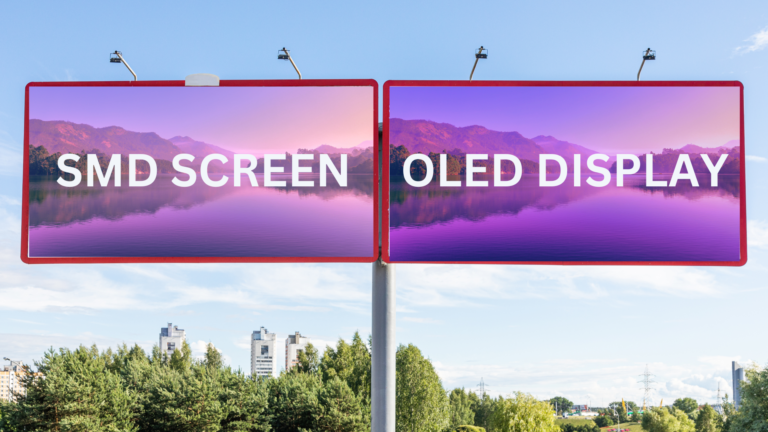
SMD LED screens and OLED displays both create light at each pixel, with no backlight, but they serve different jobs.…
In the era of smart technology, SMD LED screens are increasingly networked: managed from the cloud, scheduled, monitored remotely and…
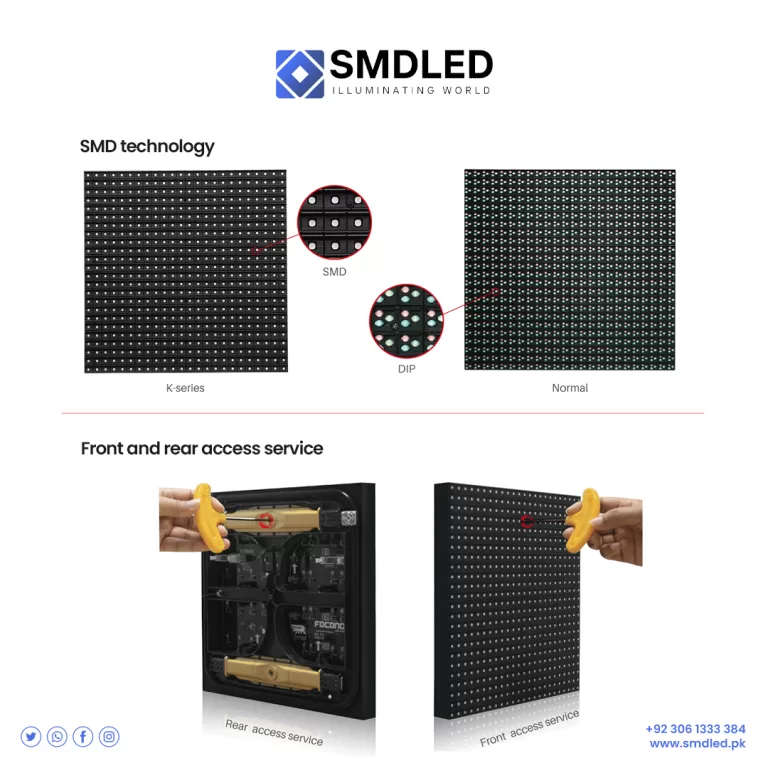
Pixel density in LED screens is set by the pixel pitch: the smaller the pitch, the more pixels per square…