 Outdoor SMD Screens
 Indoor SMD Screens
 Flexible SMD Screens

How SMD Screens are Manufactured: A Behind-the-Scenes Look
LED display modules are built by mounting SMD LED packages and driver ICs onto printed circuit boards, soldering them in…

SMD (Surface Mount Device) LED screens are made from modules of small LED packages mounted on circuit boards. They are mostly used for signage, video walls and events, but the same modules can also be used in creative projects at home, in studios and at exhibitions.
In this article we share ideas for creative applications of SMD LED modules, along with practical advice on choosing modules and controllers. An important note before you start: SMD LED screens are different from LCD, OLED or TFT panels used in phones, monitors and appliances. The ideas below use ready-made LED modules, receiving cards and certified power supplies. Any mains (230 V) wiring, permanent installation or structural mounting should be done by a qualified electrician or installer.

Looking for creative ways to use SMD LED modules at home? Here are some ideas. Keep in mind that fine-pitch indoor modules are best for close viewing in a home.
These are just a few ideas. Whatever you build, plan the mounting, power and ventilation first, and keep brightness at comfortable levels for indoor use.

SMD LED modules are popular with artists because they are modular and can be arranged in different shapes and sizes. Flexible modules can also follow curves.
One approach is interactive pieces. With motion sensors and programming on a computer or media player, an artwork can change colour or content as someone walks by. The sensors and logic sit in the control system, not in the LED modules themselves.
Another approach is purely visual: LED panels can show time-lapse films, abstract animations or light patterns. Artists can experiment with arrangements such as a cluster of small panels on a gallery wall or a suspended panel. Any overhead or suspended installation must be rigged by a competent person using rated hardware, and large installations should be checked by a qualified installer or engineer.

LED modules can also add interest at events and exhibitions.
One idea is a display wall made from small LED panels, each showing different visuals. With sensors or a touch interface connected to the control computer, visitors can trigger different content.
Another use is signage: event schedules, maps or promotional messages on an LED panel can be easier to update than printed signs, especially if the controller supports remote updates.
Other ideas include a photo booth backdrop, a social media feed display or simple games. For public events, use properly rated equipment, secure all panels against tipping, keep cables covered, and have the power installation done by a qualified electrician.

Choosing the right parts makes a project easier and safer. Here are the main things to consider.
You will also need a few components and tools:
With the right modules, controller and power supply, and with professional help for mains wiring and mounting, a creative LED project can be both impressive and safe.
Q: What are SMD screens and how are they different from other displays?
A: SMD LED screens are direct-view displays made from modules of surface-mounted LED packages. Each LED produces light directly; there is no backlight. LCD and OLED screens are different technologies.
Q: What are some creative DIY projects that can be done with SMD screens?
A: Ideas include digital wall art, information panels, ambient light features, art installations and event signage made from ready-made LED modules.
Q: How difficult is it to work with SMD screens for DIY projects?
A: Assembling ready-made modules with a compatible controller is manageable with basic technical skills and the supplier’s instructions. Mains wiring, structural mounting and component-level repairs should be done by qualified professionals.
Q: Where can SMD LED modules be purchased for projects?
A: LED modules, controllers and power supplies are available from LED screen suppliers, including SMD LED Screen. Ask the supplier to confirm that modules, controller and power supply are compatible.
Q: Are there any programming requirements for DIY projects involving SMD screens?
A: Basic projects can use the controller’s own software to play images and videos. Interactive projects may need additional programming on a computer or media player.
Q: Can SMD screens be used outdoors?
A: Yes, if they are designed and rated for outdoor use. Check the product’s IP rating, brightness and operating temperature, and have outdoor installations done by a qualified installer.
Q: What safety precautions should be taken when working with SMD screens?
A: Always switch off and unplug power before handling modules, use certified power supplies, keep power supplies ventilated, use anti-static precautions when handling modules, and leave mains wiring, overhead mounting and component repairs to qualified people.
Q: Are there any online resources or communities for DIY enthusiasts interested in LED projects?
A: Yes. Maker communities and project sites share LED project ideas and tutorials. Always check that advice is appropriate for your specific equipment and follow the manufacturer’s instructions.
SMD LED modules offer many creative possibilities, from home decor and art installations to event signage.
With ready-made modules, a compatible controller and the right power supply, makers and businesses can create projects that stand out.
Whether you are an artist, a hobbyist or a small business owner, plan your project carefully, choose suitable components, and get professional help for mains power and mounting.
With good planning and safe practices, you can create impressive projects with SMD LED screens.
Working with curves or tight spaces? See our flexible SMD screens, the slim BIA Ultra Thin SMD Screen Module, or browse all SMD screen products.
Contact Us For Free Consultation at 0306-1333384
Powered By BIA Communications
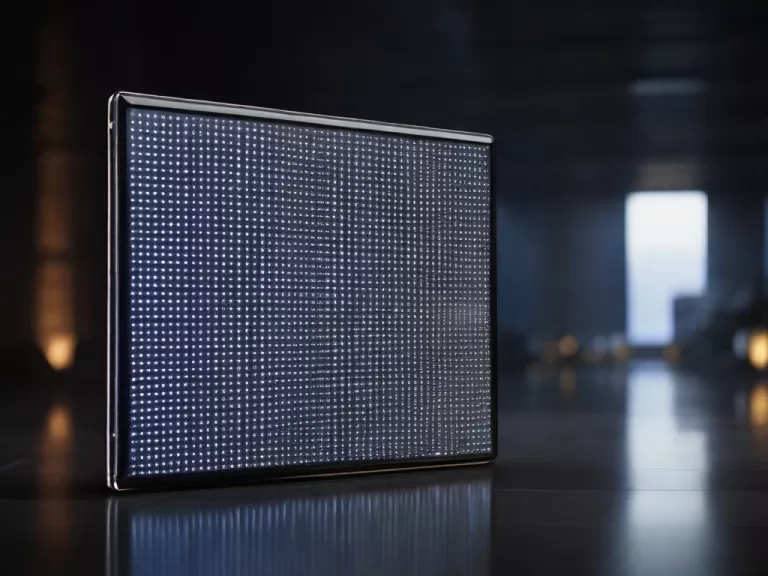
LED display modules are built by mounting SMD LED packages and driver ICs onto printed circuit boards, soldering them in…
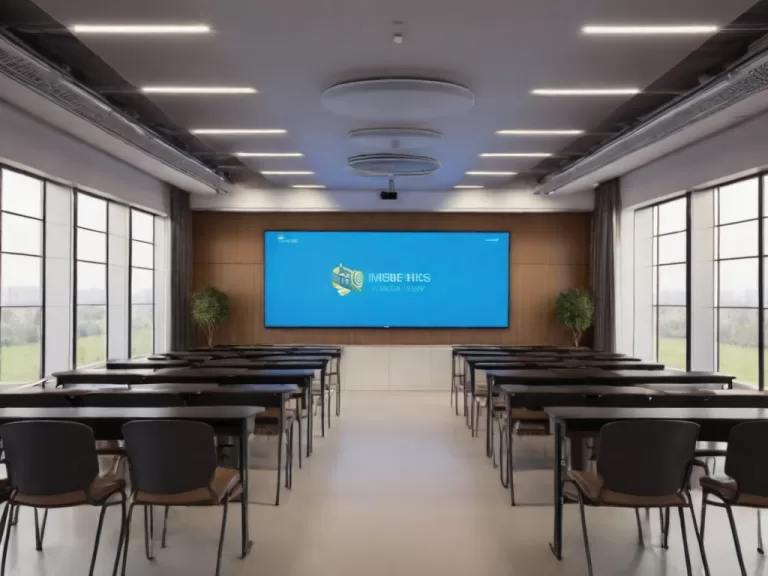
SMD LED screens can support education in auditoriums, large lecture halls and campus signage with large, bright visuals. This article…
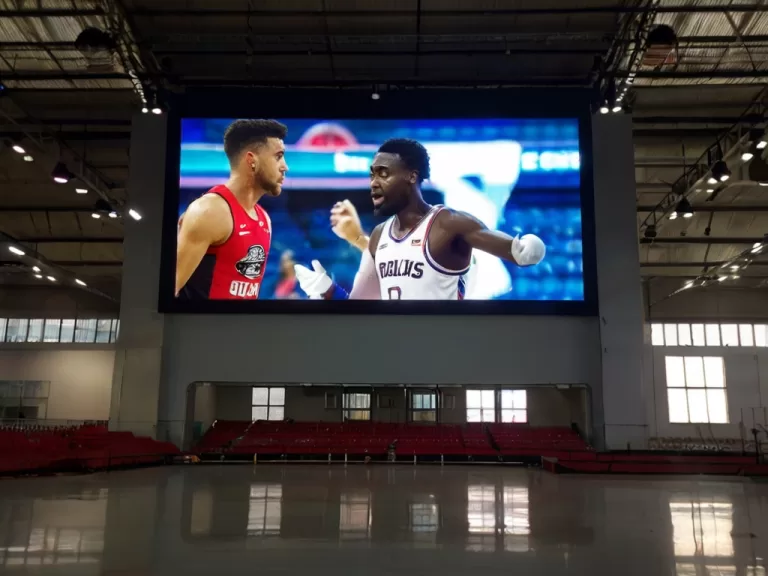
LED screens built with SMD technology are widely used in sports venues for live footage, replays, scores and sponsor content.…