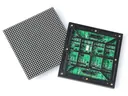
 Outdoor SMD Screens
 Indoor SMD Screens
 Flexible SMD Screens

SMD Screens in Automotive: Revolutionizing In-Car Displays
Where do SMD LED screens fit in vehicles? Dashboard and infotainment displays in cars are usually automotive-grade LCD or OLED…

Outdoor advertising has to compete for attention, and bright digital displays are one way brands do that. SMD screens (LED screens built from Surface-Mount Device LED packages) are widely used for billboards, shopfronts and public screens because outdoor models can be bright enough for daylight and can show changing content. This article explains what makes them suitable outdoors, the realistic limits, and what to check when you buy one.

In an SMD LED package, the red, green and blue LED chips sit together in one small package soldered onto the module’s surface. Compared with older DIP screens, this usually allows finer pixel pitches, wider viewing angles and smoother colour mixing. Outdoor SMD modules are designed with higher brightness and weather protection than indoor ones.
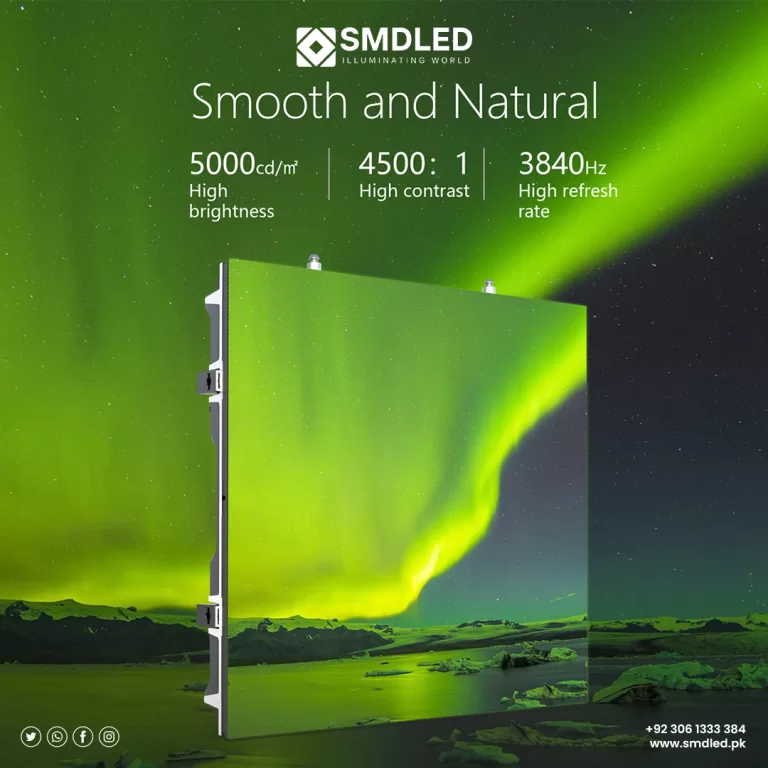
The main advantage outdoors is brightness. Outdoor-rated screens are designed to stay readable in daylight. The brightness you need depends on the site: a screen facing direct sun needs more than one in shade. Check the datasheet’s brightness figure and make sure the screen can be dimmed at night, both for comfort and to meet any local rules.
LED screens can also show rich colours. Colour quality varies between models, so compare datasheets and see a sample if possible.

Unlike printed billboards, LED screens can show video and rotate several adverts, and content can be changed without printing new material. This lets advertisers:
If a screen faces a road, keep content simple and avoid rapid flashing or fast-moving effects that could distract drivers. Follow any local rules on roadside screens.

Brightness and colour only help if they are set correctly:

Location: Place screens where your audience passes, with a clear line of sight. Get permission from the property owner and any approvals the relevant authorities require.
Content: Keep messages short, use bold fonts and large text, and update content regularly.
Specification checklist: When comparing outdoor screens, ask the supplier for:
Installation and maintenance: Structures should be designed by a qualified structural engineer, and power and earthing installed by qualified electricians. Inspect and clean screens regularly, only when powered off and following the manufacturer’s instructions.
Q: What are SMD screens in outdoor advertising?
A: SMD stands for Surface-Mount Device. SMD screens are LED displays built from SMD LED packages, and outdoor models are designed for higher brightness and weather resistance.
Q: How do SMD screens differ from other outdoor LED displays?
A: Compared with DIP LED screens, SMD screens usually allow finer pitches, wider viewing angles and smoother colour mixing. DIP screens are still used in some outdoor applications; compare specific models for your site.
Q: What benefits do SMD screens offer in outdoor advertising?
A: Daylight-readable brightness on outdoor models, changeable content, the ability to rotate several adverts and modular sizes.
Q: How does brightness help in outdoor advertising?
A: Higher brightness keeps content readable in daylight. Brightness should be reduced at night to avoid glare and save power.
Q: Can SMD screens withstand various weather conditions?
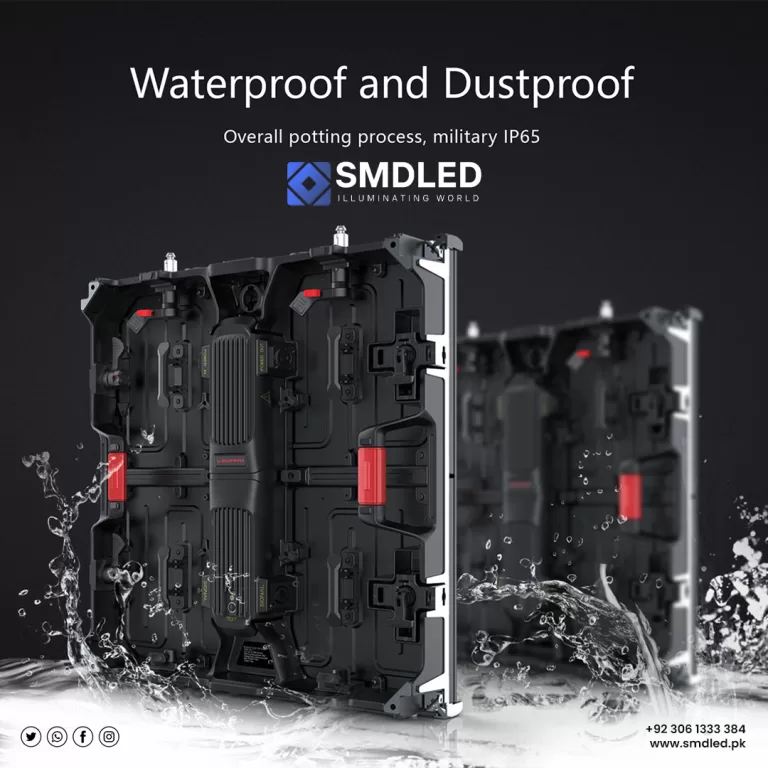
A: Outdoor-rated screens are designed for outdoor use within the limits stated by the manufacturer. An IP rating such as IP65 describes protection against dust and water jets; it does not cover temperature, humidity or wind. Those depend on the operating temperature range, ventilation and the structure. Follow the manufacturer’s guidance for extreme weather.
Q: Are SMD screens energy-efficient?
A: LEDs are efficient light sources, but a large outdoor screen still uses significant power, especially at high brightness. Compare the datasheet’s average and maximum power figures, use automatic dimming, and work out running costs using the per-unit rate on your own bill.
Q: Can SMD screens be customized to fit specific advertising needs?
A: Yes. They are modular and can be built in many sizes, with different pixel pitches to suit viewing distance.
Q: Are SMD screens a cost-effective solution for outdoor advertising?
A: It depends on the site and how the screen is used. Compare the upfront and running costs (power, maintenance and content) with savings on printing and any advertising income. Results vary between sites.
Q: Can SMD screens be used beyond outdoor advertising?
A: Yes. They are used in sports venues, transport hubs, concert venues and retail, using indoor or outdoor models as appropriate.
SMD screens have changed outdoor advertising by offering bright displays and content that can be changed quickly. Outdoor models are designed for daylight and weather, but performance depends on choosing the right brightness, pitch, IP rating and cooling for the site, a safe installation and regular maintenance.
Use the checklist above to compare models, and ask your supplier for datasheets before you buy.
Contact Us For Free Consultation at 0306-1333384
Powered By BIA Communications
Choosing a screen? Compare indoor SMD screens and outdoor SMD screens, browse our SMD screen products, or ask for a free quote.

Where do SMD LED screens fit in vehicles? Dashboard and infotainment displays in cars are usually automotive-grade LCD or OLED…
How SMD screens can be used in retail for promotions, window displays and product content, what extra systems interaction and…
How SMD LED screens can be run more sustainably: matching brightness to need, automatic dimming, efficient hardware, repairable modules and…