 Outdoor SMD Screens
 Indoor SMD Screens
 Flexible SMD Screens

The Green Revolution: SMD Screens and Environmental Sustainability
How SMD LED screens can be run more sustainably: matching brightness to need, automatic dimming, efficient hardware, repairable modules and…

Retailers are always looking for ways to attract customers and make shopping more enjoyable. Surface-Mount Device (SMD) LED screens are one tool they use: bright, modular displays that can show promotions, product videos and brand content that is easy to update. In this article we look at how SMD screens can be used in retail, what they can and cannot do on their own, and how to plan a deployment.

SMD LED screens are now common in shops, malls and storefronts. Bright, moving content can draw attention to products and promotions more effectively than static posters, especially when it is well designed and placed where shoppers naturally look.
It helps to be clear about what the screen itself does. An LED screen displays content; it does not take payments, respond to touch or personalise content on its own. Those features need extra hardware and software, such as touchscreen kiosks, payment terminals, content-management systems or apps. Retailers can combine a large LED screen for visual impact with a nearby kiosk or QR code for customers who want more information.
AR or VR experiences, such as virtual try-ons, are separate systems (usually smart mirrors, tablets or customers’ own phones). An LED screen can promote them or show shared content, but it is not the AR system itself.
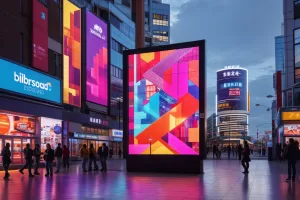
With the right pixel pitch for the viewing distance, SMD screens can show sharp, colourful images. They can be used for promotions, product features and brand videos.
Because they are modular, SMD screens can be built in many sizes, from a full video wall to a smaller screen above a counter. Installation options include wall mounting, hanging and integration into fixtures, provided the mounting is designed for the screen’s weight and installed by qualified installers, with electrical work by a qualified electrician.

SMD screens can support interaction in practical ways:
Personalising content for individual shoppers, for example using loyalty data, cameras or sensors, requires separate software and raises privacy obligations: shoppers must be told what is collected, consent may be needed, and data must be secured. Most retailers tailor content by time, location and season instead.

Results vary by store, location and content, so start with clear goals and review them regularly.
Q: What are SMD screens in the retail sector?
A: SMD screens are LED displays built from surface-mounted LED packages. In retail they are used for digital signage, promotions, window displays and brand content.
Q: How can SMD screens be used in a store?
A: For promotions, product videos, information boards and window displays. Interactive catalogues need a separate touchscreen kiosk or a QR code linking to customers’ phones.
Q: What advantages do SMD screens offer over traditional signage?
A: Moving, bright content and easy updates without reprinting. Content can be scheduled and changed quickly.
Q: Can SMD screens help retailers promote products?
A: They can help draw attention to products and offers. How much they help sales depends on placement, content and the products themselves, so measure results.
Q: Are there examples of SMD screens used in retail?
A: Common uses include window displays that attract passers-by, in-store screens highlighting new arrivals, and screens near checkouts showing offers. These are general uses, not specific SMDLED case studies.
Q: What should retailers consider when implementing SMD screens?
A: Screen size, pixel pitch and placement; content planning and software; safe installation; maintenance; privacy if any customer data is collected; and budget and expected return.
SMD screens can be a valuable tool for retailers, helping products and promotions stand out. They work best as part of a planned approach: the right screen in the right place, clear content, suitable software, and, where interaction or personalisation is wanted, additional systems used with respect for customer privacy.
Planning an indoor screen? See typical pitches and uses on our indoor SMD screens page, check the specifications of the BIA Indoor SMD Screen Module, or read the key differences between indoor and outdoor screens.
Contact Us For Free Consultation at 0306-1333384
Powered By BIA Communications
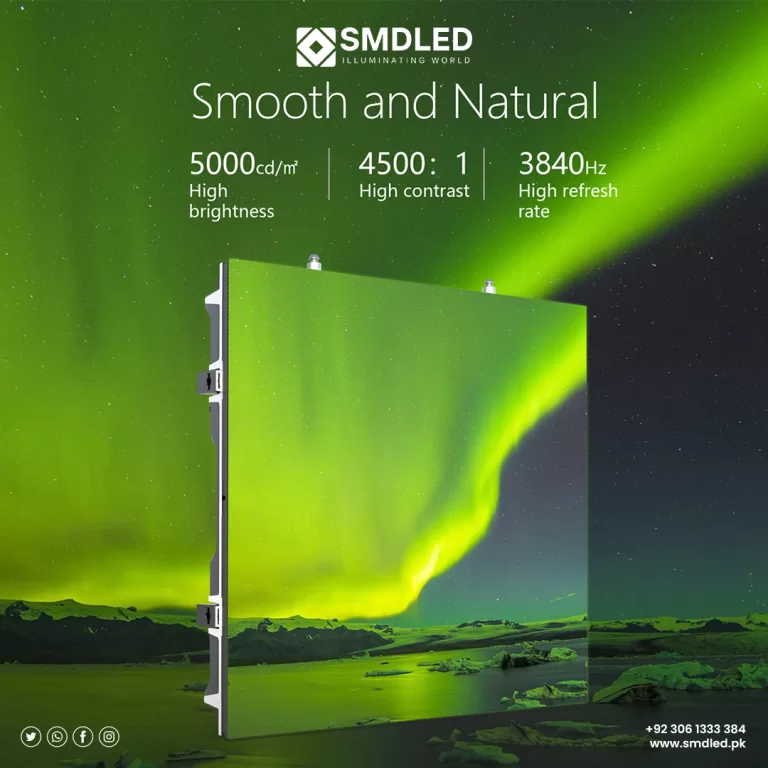
How SMD LED screens can be run more sustainably: matching brightness to need, automatic dimming, efficient hardware, repairable modules and…
VR and AR headsets use small LCD, OLED or micro-OLED panels with optics, not modular SMD LED screens. SMD LED…
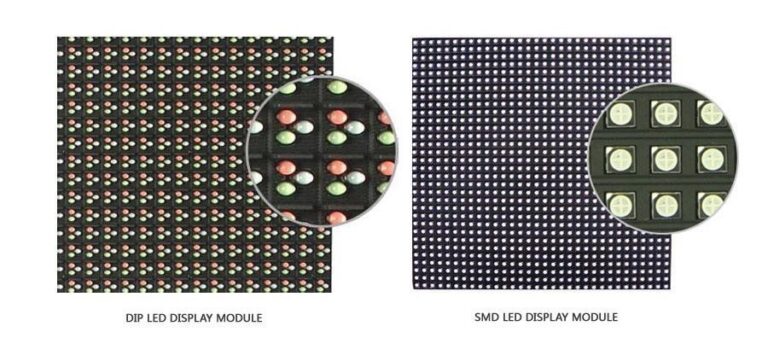
"SMD screen" and "LED display" are not competing technologies: an SMD screen is a type of LED display. The real…