 Outdoor SMD Screens
 Indoor SMD Screens
 Flexible SMD Screens

How to Create Dynamic Visual Content for Your SMD Screen
How to Create Dynamic Visual Content for Your SMD Screen Creating good dynamic visual content for your SMD screen can…


Brands are always looking for new ways to engage customers, and interactive displays are one option. Interactive SMD screens combine a bright LED display with extra hardware and software, such as touch frames, motion sensors or links to visitors’ phones, so people can respond to the content. Used in retail, public spaces and events, digital advertising with LED technology can make campaigns more engaging. This article explains what is needed and how to use such displays responsibly.
LED screens have become a common alternative to printed signs. They can show video and changing content, and can be updated remotely. Adding interactivity through touch overlays, sensors or QR codes goes a step further, letting people take part rather than only watch.
An SMD LED screen on its own is a display: it is not touch-sensitive and cannot take orders. An interactive SMD screen is a complete system that adds, for example:
With these in place, people can browse products, play games or follow a QR code to continue on their phone. Touch interaction suits fine-pitch screens at arm’s reach; for larger or outdoor screens, QR codes or phone-based interaction are often more practical.
Well-designed interactive displays can offer:
Commercial interactive displays let people touch, swipe or gesture to explore content. For example, a store could let customers browse products or check availability on a display linked to its inventory system, with staff on hand to help.
International brands have run interactive outdoor and in-store campaigns using touch, motion sensors and games, for example letting people customise a product or play a short branded game. These are general industry examples, not SMDLED projects. When planning your own, start with a simple, clear interaction that works within a few seconds.
Malls, airports and stations have many visitors, giving brands the chance to reach a large audience. Interactive games, product information or wayfinding can encourage people to stop, provided the interaction is quick and easy. Displays in public spaces need permission from the venue and robust, safe hardware.
When people interact with content, it can stand out from ordinary advertising and help them remember the brand. Keep interactions short, useful and accessible.
Interactive systems can record anonymous, aggregated usage, such as which items are tapped most, to help improve content. Any collection of personal data, for example through sign-ups or follow-up offers, needs a clear privacy notice, consent where required, data minimisation, secure storage and limited retention, and must comply with applicable law. Collect only what you need, and never show personal information on a public screen.
In retail, interactive displays can let customers explore product information and catalogues, view promotions or start a purchase, for example by scanning a QR code to complete it on their phone. Direct ordering or payment requires secure integration with the retailer’s systems.
Malls can use interactive displays for maps, promotions or games that direct shoppers to stores, and for seasonal campaigns and product launches, with the mall’s approval.
At events, exhibitors can use interactive displays for product demos and games, or show moderated social media walls. These can help a stand get noticed in a busy hall.
Interactive displays can be linked to websites, apps and social media, for example through QR codes, so people can continue online. Any follow-up offers should only be sent to people who have opted in.
Interactive systems involve the screen, interaction hardware, software, content and maintenance, so plan the full cost and measure results such as interactions, sign-ups or sales against clear goals. Touch surfaces need regular cleaning and checking, and software needs updates.
For businesses in Pakistan planning interactive SMD screen projects, SMDLED supplies LED screens, including our own BIA brand, in Karachi, Lahore, Islamabad and other cities. Contact us to discuss your interactive concept and which display suits it; touch frames, software and integrations are specified per project. Visit our Products Page, or the Manufacturer Page for more on BIA.
Interactive SMD screens can make digital advertising more engaging when the display, interaction hardware, software and content are planned together. With attention to usability, privacy and maintenance, commercial interactive displays can be a useful part of a modern campaign.
Planning an outdoor screen? Compare weatherproof options on our outdoor SMD screens page, check the specifications of the BIA Outdoor SMD Screen Module, or read which pixel pitch suits an outdoor screen.
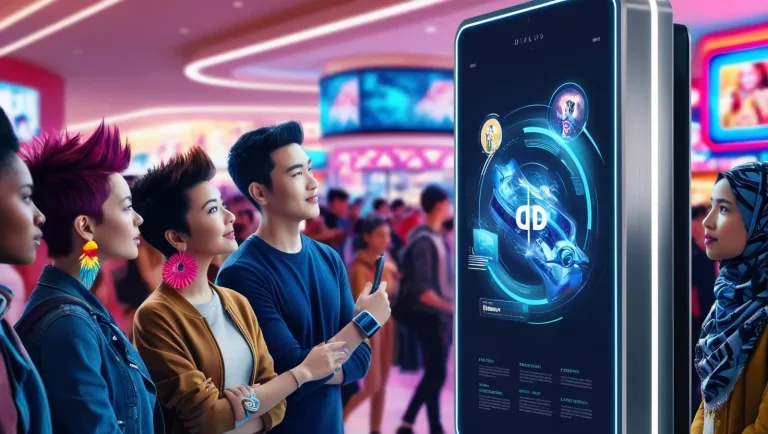
How to Create Dynamic Visual Content for Your SMD Screen Creating good dynamic visual content for your SMD screen can…

What to Consider Before Buying an SMD Screen for Outdoor Use Outdoor screens are a popular way for businesses to…
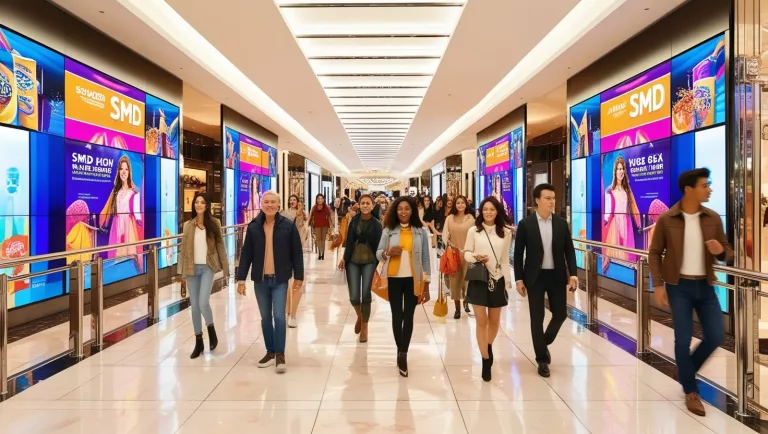
The main ways shopping malls use SMD LED screens: advertising, wayfinding, events, branding, food courts and store displays, plus how…