 Outdoor SMD Screens
 Indoor SMD Screens
 Flexible SMD Screens

How SMD LEDs Help Reduce Electricity Bills in Pakistan
Rising electricity costs are a concern for many businesses in Pakistan. SMD LED technology appears in two different places in…
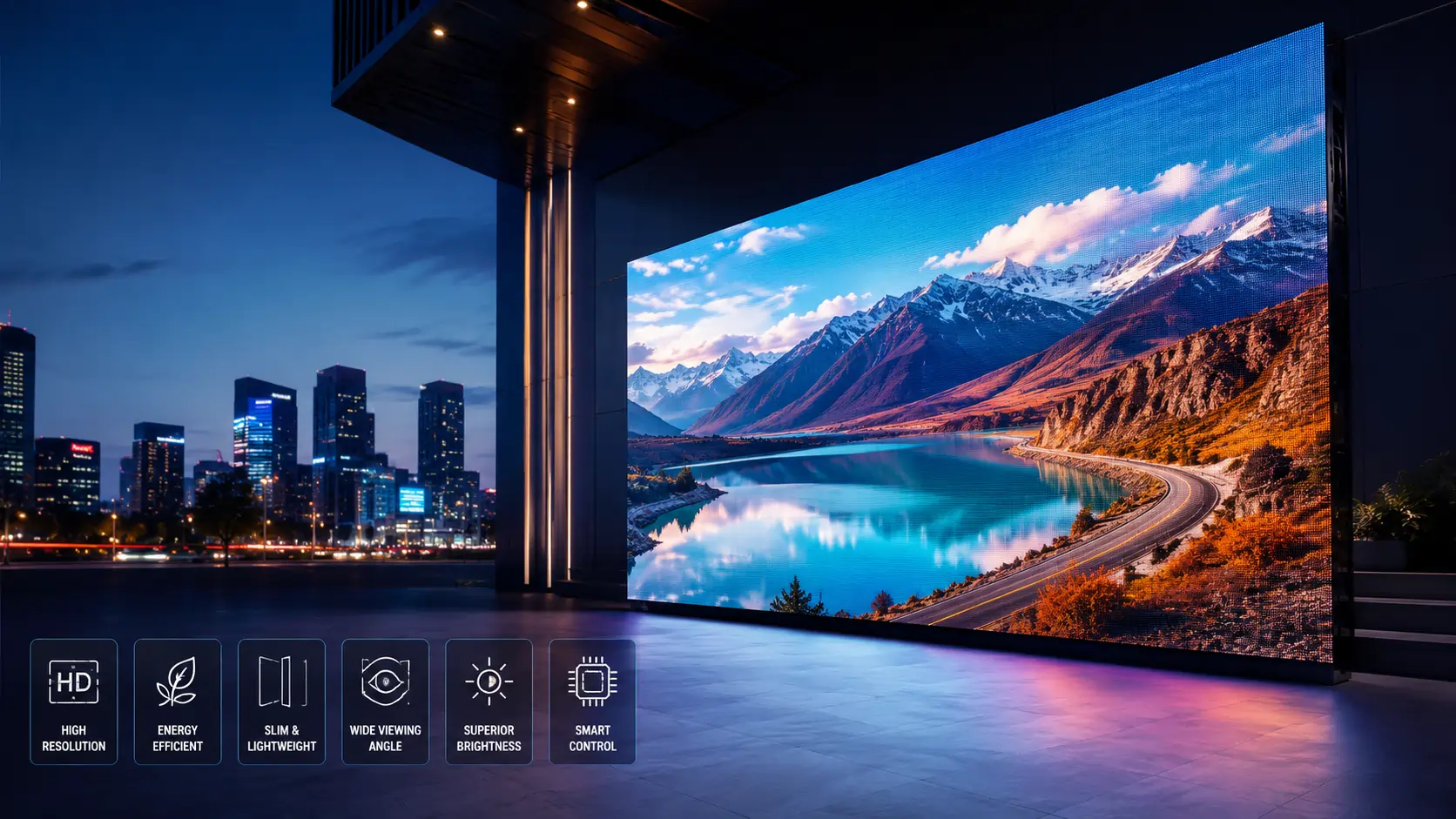
Businesses in Pakistan are upgrading from printed signage to digital displays, and LED display technology keeps developing. This article looks at the main trends in SMD LEDs technology in Pakistan and what they mean for buyers. Performance varies between products, so always check the datasheet of the specific model you are considering.
Buyers increasingly look for energy efficiency and design flexibility. Finer pixel pitch products allow sharper images at closer viewing distances, which suits offices, studios and exhibitions. Energy use depends on the product, brightness and content, so compare datasheet power figures rather than assuming newer means lower.
| Trend | Business Benefit |
| Flexible LED Displays | Curved installations |
| Transparent LED Displays | Storefronts that keep some visibility through the glass |
| Fine Pixel Pitch | Sharper visuals at close range |
| Automatic Brightness Sensors | Can reduce energy use |
| Narrow-Seam Video Walls | Fewer visible joints |
Shopping centres and boardrooms want displays that look integrated into the wall. Direct-view indoor LED screens are built from cabinets that join with very small seams, avoiding the thick bezels of tiled LCD video walls. Higher refresh rates reduce visible flicker on phone cameras and broadcast cameras, although results also depend on camera settings, installation and calibration.
These are two separate technologies. Transparent LED displays use LED strips with gaps between them, so viewers can partly see through the screen; they are often used behind shop windows. Their transparency and brightness vary by product, so check the manufacturer’s figures. Flexible LED modules use bendable circuit boards so screens can curve around pillars or follow curved walls, within the manufacturer’s bend limits. Neither is automatically suitable for outdoor use; check the product’s rating.

Outdoor screens must cope with strong daylight, heat and dust. Outdoor LED screens are built with high brightness and sealed modules. Brightness is measured in nits (candela per square metre), which describes luminance; contrast ratio is a separate specification. Some manufacturers use common-cathode driving, which can reduce power use and heat compared with conventional common-anode designs; the actual benefit depends on the product. Check the datasheet for brightness, contrast, power and operating temperature.
Modular video walls need careful installation and calibration to avoid misalignment and uneven colour. SMD LED can help you choose suitable products and set up controller settings such as automatic brightness. Supporting structures should be designed by a qualified structural engineer, and electrical work done by a qualified electrician. Ask us what our scope covers for your project.
Another clear shift is in how screens are controlled. Older setups often relied on a PC plugged in next to the screen. Many current systems use dedicated controllers, such as NovaStar sending and receiving cards or asynchronous media players, that can store content and play it on a schedule.
When comparing options, ask which controller is included, whether it supports remote access, and who will manage the content after installation.
Many indoor screens are now designed for front service. Modules are held by magnets and can be removed from the front with a suction tool, so the screen can be mounted close to a wall without leaving a service corridor behind it. This suits shops, lobbies and offices where space is tight.
Outdoor screens may still be rear-service, especially large billboards with a walkway behind the cabinets. Whichever design you choose, make sure there is safe access for future repairs, and keep a small stock of spare modules and power supplies from the same production batch so replacements match in colour.
New technology is only useful if it fits your site. A transparent screen may look modern, but a standard indoor screen may be the better choice if the window does not need to stay see-through. Fine pitch is wasted if most viewers stand far away. As a rule of thumb, the minimum comfortable viewing distance in metres is roughly equal to the pixel pitch in millimetres.
Brightness should also match the location. Indoor screens are typically around 600–1,000 nits, while outdoor screens usually need around 4,500–6,500 nits for direct sunlight. Outdoor screens in Pakistan should have at least an IP65 front rating and a cabinet designed for heat, dust and monsoon rain. Our indoor SMD screens, outdoor SMD screens and flexible SMD screens pages explain the main options.
Modern, efficient displays can help businesses engage customers and present their brand well. SMD LED supplies indoor and outdoor screens, including our own BIA brand. Contact us to discuss which SMD LEDs technology in Pakistan suits your site, climate and power supply.
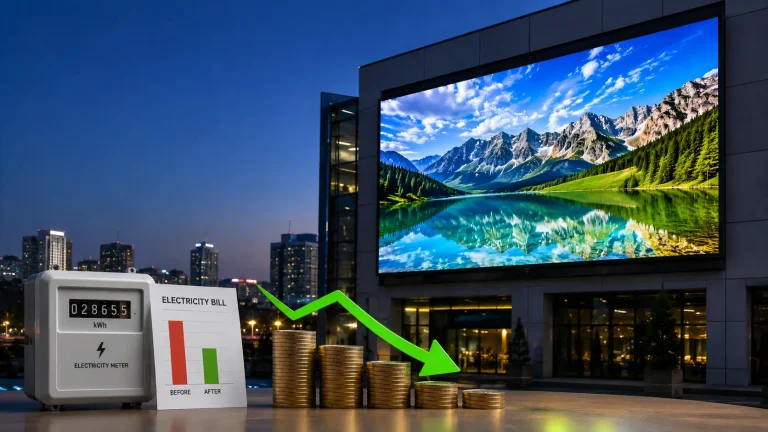
Rising electricity costs are a concern for many businesses in Pakistan. SMD LED technology appears in two different places in…
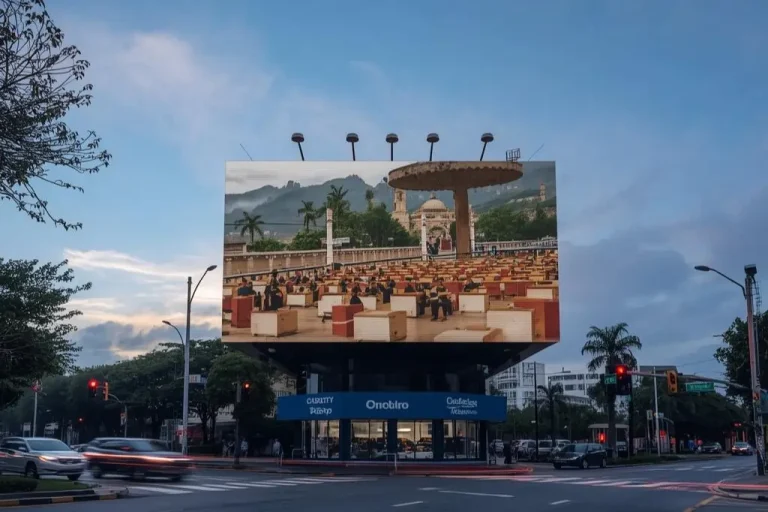
People passing through a busy commercial area see dozens of billboards every day, and many fade into the background. A…
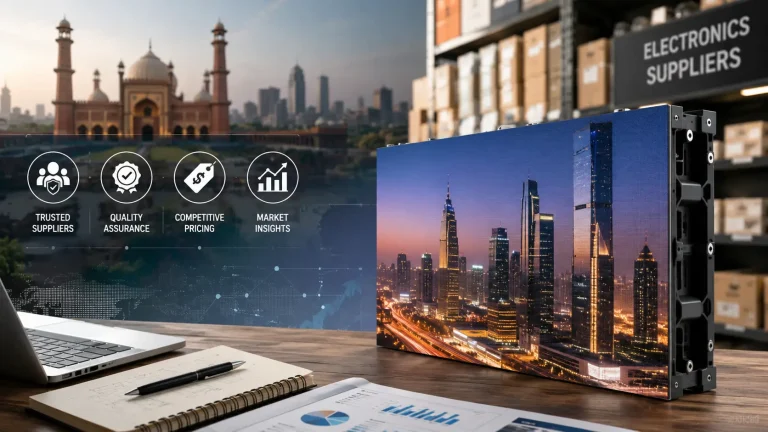
“SMD LEDs” can mean individual LED components (used in lighting and electronics) or finished LED display screens built from them.…