 Outdoor SMD Screens
 Indoor SMD Screens
 Flexible SMD Screens

Using SMD Screens for Interactive Digital Advertising Campaigns
Using SMD Screens for Interactive Digital Advertising Campaigns Brands are always looking for new ways to engage customers, and interactive…


Public spaces increasingly use digital screens alongside or instead of static signs. From transport hubs to city squares, public information displays using SMD screens can show updated information and clear visuals to large audiences. This article looks at where they work well, what they need to work reliably, and what they should not be relied on for.
Static posters and basic electronic boards are giving way to digital signage that can be updated quickly. This shift is driven by the need for timely information and changing public expectations. Whether guiding passengers in a terminal or informing visitors in a public square, SMD screens for communication offer flexibility that printed signs cannot.
SMD screens are widely used for public information displays because they combine good brightness, wide viewing angles and modular sizes. Compared with older DIP LED screens, they usually allow finer pixel pitches and sharper text at shorter distances. Outdoor-rated models are designed for weather within the manufacturer’s limits.
Outdoor SMD screens are designed to stay readable in daylight and can be dimmed at night. With suitable IP ratings, cooling, a sound structure and regular maintenance, they can run for long hours. No screen is immune to faults or power cuts, though, so plan for maintenance and backup.

SMD screens can be updated quickly to reflect changing information, such as schedules, directions or announcements. Clear, high-contrast content makes messages easier to notice and read, but no display can guarantee that every message is seen or understood. Keep text short, use plain language and pictograms, and repeat critical information through other channels.
In airports, train stations and bus terminals, clear and current information is critical. LED screens can show schedules, directions and announcements visible from a distance. When connected to the operator’s data systems, updates can appear within the delay set by those systems and the network. Operators should monitor screens and have a fallback, such as staff announcements or printed signs, if a screen or data feed fails.
In city squares and public areas, screens can share civic updates, promote local events and guide visitors, where authorities choose to use them. Good design and placement help them fit their surroundings.
Outdoor screens face rain, dust, heat and wind. Outdoor-rated SMD screens are designed for these within the limits stated by the manufacturer, with IP-rated cabinets and ventilation or cooling. Reliable operation also depends on an engineered structure, stable power installed by qualified electricians, and regular maintenance.
LEDs are efficient light sources, but large public screens still use significant power. Use automatic dimming and efficient hardware, and compare datasheet power figures. Running costs depend on size, brightness, operating hours and the per-unit rate on your own bill.
Interactive kiosks help people find shops, check transit schedules or explore maps. Touch interaction usually comes from LCD kiosks or LED screens with added touch hardware and software. Interactive systems should also offer accessible alternatives, such as audio or staff assistance, for people who cannot use a touch screen.
Screens can support emergency communication by showing evacuation routes, weather warnings or safety notices issued by the responsible authority. However, LED screens are not certified life-safety systems and must not replace fire alarms, public-address systems or required emergency signage. If screens are used for emergencies, operators need:
In large spaces like malls, airports and hospitals, screens can show maps and directions, and updating them is easier than reprinting signs. Keep permanent safety signage in place, as required.

In cities developing smart infrastructure, screens can be one way to share information with the public, alongside apps and other channels. Any integration with traffic or city systems depends on the relevant authorities’ plans and the systems involved.
Screens can also carry advertising alongside public information, for example in malls and transport hubs. Clear rules on content priority help ensure public information is not crowded out.
Whoever operates public screens should decide who can publish content, how messages are approved, how errors are corrected, and how accessibility (contrast, text size, language) is handled.
SMDLED supplies SMD screens for communication for indoor and outdoor use. See our Products Page or learn about our own brand, BIA SMD.
SMD screens are a flexible tool for public information displays, offering bright, updatable content for transport hubs, urban spaces and buildings. They work best as part of a wider communication plan with maintenance, backup, accessibility and clear content governance, not as a replacement for required safety systems.
Planning an outdoor screen? Compare weatherproof options on our outdoor SMD screens page, check the specifications of the BIA Outdoor SMD Screen Module, or read which pixel pitch suits an outdoor screen.
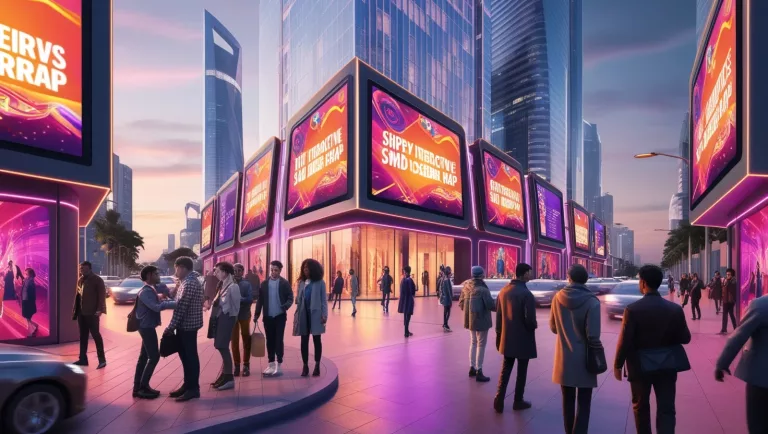
Using SMD Screens for Interactive Digital Advertising Campaigns Brands are always looking for new ways to engage customers, and interactive…

How to Create Dynamic Visual Content for Your SMD Screen Creating good dynamic visual content for your SMD screen can…

What to Consider Before Buying an SMD Screen for Outdoor Use Outdoor screens are a popular way for businesses to…