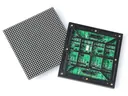
 Outdoor SMD Screens
 Indoor SMD Screens
 Flexible SMD Screens

Mobile SMD Screens: The Rise of LED “Video Vans” in Pakistan
Mobile SMD screens mounted on vans, trucks and trailers let advertisers take moving digital content to different locations. This guide…
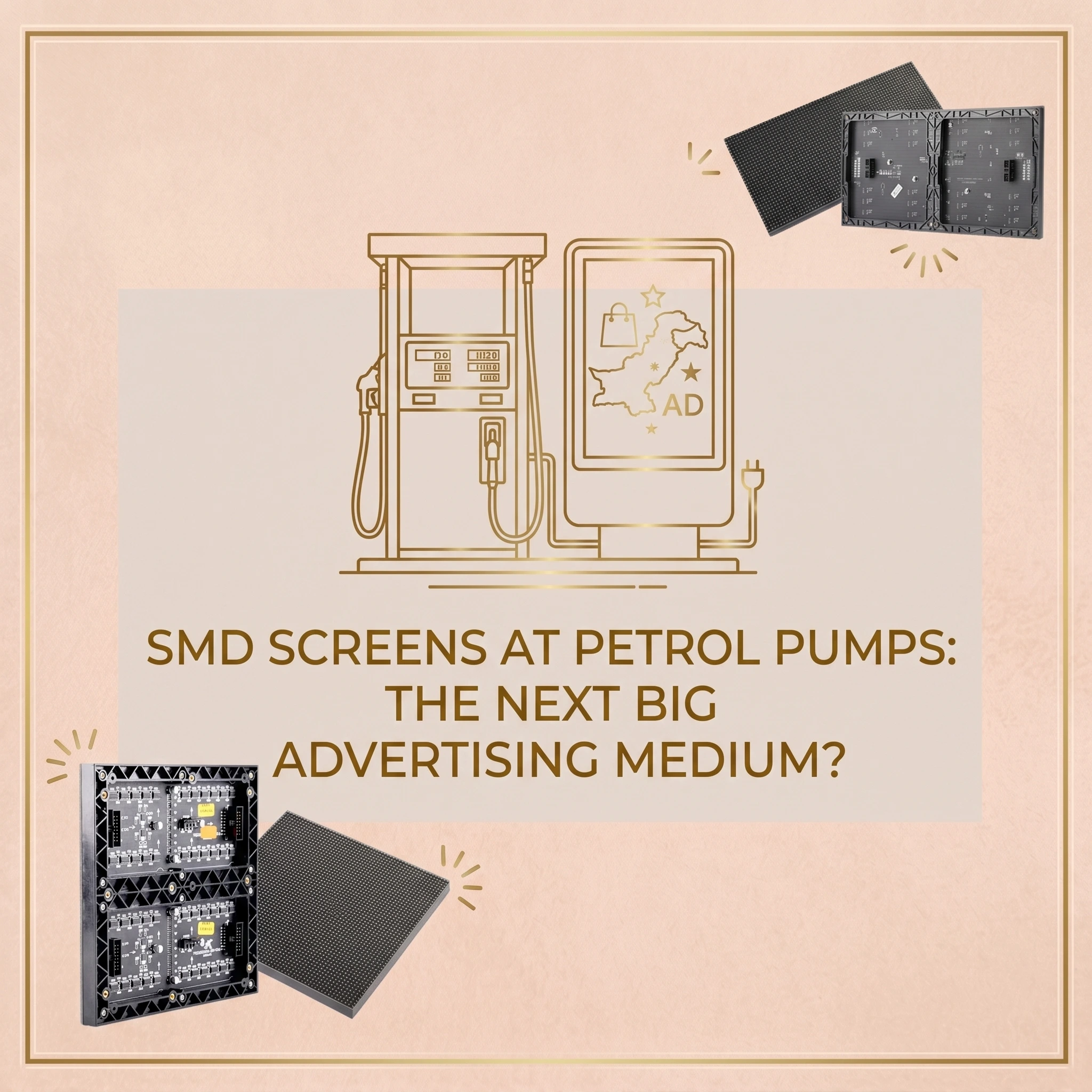
Safety first: a fuel station is a hazardous site. Any screen must be placed outside the hazardous zones around dispensers, vents and tank fill points as defined by the station’s safety plan and the relevant regulator, use weather-sealed, earthed equipment, and be installed and wired by a qualified electrician with the station operator’s written approval and any permits its licence requires. Ordinary LED screens are not certified for explosive atmospheres.
Outdoor advertising in Pakistan is becoming more digital. Fuel stations are one location that advertisers and station owners are looking at, because many now include convenience stores, food outlets, car washes and service bays, and customers often stay on site for a few minutes. This guide looks at why SMD screens at petrol pumps can be useful, what they require technically, and the safety and practical limits to plan for.
Dwell time is how long people stay near an advertisement. Highway billboards are seen only briefly by passing drivers. At a fuel station, customers typically wait a few minutes while their vehicle is refuelled or while they visit the shop, which gives more time to notice a message.
Screens on canopy columns, forecourt walls or the shop front, located outside the hazardous zones, can show short videos and offers. Attention is not guaranteed; people may be busy with payment, their phones or their passengers, so keep messages short and clear.
Fuel station customers are mostly vehicle owners and drivers, which can make the location relevant for advertisers such as car and motorcycle brands, banks offering auto finance, lubricant brands and nearby businesses. Audience profiles vary by location, so check who actually uses a particular station before planning campaigns.
Screens can also promote items in the station’s own shop, such as cold drinks on hot days. The effect on sales varies and should be measured.
Fuel stations are open-air sites with strong sunlight for much of the year. Consumer TVs and indoor screens are not suitable: they are not bright enough, not weather-rated and not designed for long outdoor operation.
Outdoor-rated LED screens with high brightness, measured in nits, are needed for daylight readability, with automatic dimming at night. The BIA Outdoor SMD Screen Module is designed for outdoor use; check its datasheet for brightness, IP rating and operating temperature range.
Digital screens can show different content at different times of day, known as day-parting. Mornings might feature tea, coffee or breakfast items; afternoons, cold drinks or car-wash services; evenings, food deals. This makes content more relevant than a single printed poster.
Some station owners may be able to sell advertising time on their screens to nearby businesses, such as restaurants, clinics or shops. Whether this works depends on the station’s traffic, local demand, the owner’s agreement with the oil marketing company, and any permissions needed for advertising. Revenue is not guaranteed and should be planned realistically, taking into account electricity, maintenance, content management and the time needed to sell advertising.
Indoor screens in the shop, such as digital menu boards behind the counter, can highlight meal deals and products. For close viewing indoors, a finer-pitch module such as the BIA Indoor SMD Screen Module is suitable. A screen at a car-wash entrance can explain wash packages to waiting customers. You can browse our Products catalogue for options.
Electrical equipment at fuel stations needs careful planning. Outdoor cabinets should be weather-sealed (for example IP65, meaning dust-tight and protected against low-pressure water jets). IP65 is a weather rating, not protection against fuel vapour: ordinary LED screens are not certified for explosive atmospheres. Screens must therefore be installed outside the hazardous zones around dispensers, vents and tank fill points, as defined by the station’s safety plan and the regulator, and must be wired and earthed by a qualified electrician. Never mount a standard screen above or on a dispenser.
Summer temperatures on a forecourt can be very high. Choose screens whose rated operating temperature suits the site, ensure good ventilation, add shade where possible, and plan regular maintenance.
Companies with many stations can use cloud-based content-management software to update screens across their network from one place. This helps keep campaigns consistent, provided the network is secured against unauthorised access and screens can keep playing scheduled content if the connection drops.
Some technology vendors promote camera systems that try to recognise vehicle types or number plates to change advertising. Such systems raise privacy and legal questions, their accuracy is limited, and they would need clear notices, a lawful basis and a privacy review before use. Simpler approaches, like scheduling content by time of day or season, achieve relevance without collecting personal data.
For updates from our team, you can follow our Official Facebook Page.
SMD screens at petrol pumps can offer:
Results vary by site and should be measured. Safety comes first: correct placement outside hazardous zones, proper electrical work and the operator’s approval are essential.
We supply indoor and outdoor LED screens and can advise on suitable models for your site. Installation at a fuel station must be planned with the station operator, a qualified electrician and any required approvals. Contact us to discuss your project and arrange a site survey.
1. Why can digital screens work well at petrol pumps?
Customers often stay on site for a few minutes, which gives more time to notice short messages than a roadside billboard. Results vary by site.
2. Are outdoor digital screens safe near fuel?
Only when installed correctly. A normal IP65 outdoor screen is weatherproof but not certified for explosive atmospheres, so it must be placed outside the hazardous zones around dispensers, vents and fill points, with earthed, professionally installed wiring and the station operator’s approval.
3. Can outdoor screens be read in strong sunlight?
Outdoor-rated LED screens are designed with high brightness for daylight. Readability also depends on orientation, viewing angle and content contrast.
4. Can a station owner earn from screens?
Possibly, by selling advertising time to local businesses, subject to the owner’s agreements and permissions. Income depends on traffic and demand and should be weighed against running costs.
5. How are screens across many stations updated?
With cloud-based content-management software, content can be scheduled and updated centrally, with secure access and offline playback as a backup.

Mobile SMD screens mounted on vans, trucks and trailers let advertisers take moving digital content to different locations. This guide…

Retail competition in Pakistan is intense, and a window SMD screen can help a storefront stand out with moving, changeable…

Banking and security control rooms in Pakistan run around the clock and depend on clear, reliable displays. This guide explains…