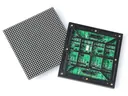
 Outdoor SMD Screens
 Indoor SMD Screens
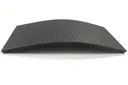 Flexible SMD Screens

Curved Screens: Enhancing Visual Impact in Digital Signage
Curved screens are revolutionizing digital signage, blending sleek aesthetics with immersive visuals. Their unique design draws audiences in, transforming ordinary…
Marketing changes as technology and audience habits change. “Display marketing” covers two quite different worlds: online display ads (banners, video and in-app ads on websites, apps and connected TVs) and physical displays such as LED screens, video walls and digital billboards. This article looks at long-term trends that are likely to matter over the coming years, separates what applies to online ads from what applies to physical screens like the ones SMDLED supplies, and suggests practical ways to prepare. The trends below are general observations, not guaranteed predictions.
Several technologies are shaping how brands reach people. AI tools can help create content variations, schedule content and analyse campaign results. Augmented reality can let people try products virtually on their phones. Programmatic buying automates how ad space is bought, online and, increasingly, on some digital billboard networks.
For businesses with physical screens, the practical opportunities are simpler: better content-management software, scheduling content by time of day, linking screens to live information such as weather or queue times, and adding QR codes so people on foot can continue on their phones. Online channels such as connected TV, in-app ads and shoppable ads are separate media bought through online platforms; they can complement a screen campaign, but they are not features of an LED screen. Technologies such as blockchain have been proposed to improve transparency in online ad buying, but their benefits are still debated and limited in practice.
| Technology | Where It Applies |
|---|---|
| AI tools | Content creation, scheduling and analysis, online and on screens |
| Augmented Reality | Mainly on phones; can be promoted from a screen via QR code |
| Shoppable Ads | Online and app advertising |
| Content-management software | Physical screens: scheduling, remote updates, live data |
Audience habits change over time, so strategies should be flexible. Build campaigns that can be adjusted quickly, review results regularly, and pay attention to changes in how and where your audience spends time, including which locations they pass and when.
| Strategy Component | Key Benefit |
|---|---|
| Scenario Planning | Prepares for more than one possible change in audience behaviour. |
| Flexible Campaign Structures | Makes it easier to adjust strategies mid-campaign. |
| Coordinated Channels | Keeps screen, online and in-store messages consistent. |
Using data well helps campaigns improve over time. The key is not collecting as much data as possible, but choosing a few meaningful measures, collecting them lawfully, and acting on what they show. For physical screens, that might mean tracking enquiries or sales linked to a screen promotion, QR scans, or footfall during campaigns.
Useful factors to consider:
The table below is an illustrative example of how a team might record before-and-after results; the figures are hypothetical and do not come from a real campaign.
| Metric (example) | Before Changes | After Changes |
|---|---|---|
| QR code scans per week | Recorded baseline | Compared after new content |
| Enquiries mentioning the screen | Recorded baseline | Compared after new content |
| Sales of promoted item | Recorded baseline | Compared after new content |
Focusing on a few measurable results helps campaigns improve steadily.
Preparing for the Next Decade: Long-Term Trends in Display Marketing
Q1: How is AI changing display marketing?
AI tools can help produce content variations, schedule content and analyse results. They do not guarantee better targeting or results, and any use of personal data needs to follow privacy law and be transparent.
Q2: Will immersive technologies like AR and VR play a bigger role?
They may. AR experiences on phones, such as virtual try-ons, are already used by some brands. For physical screens, the most practical link is a QR code that lets people open an AR experience on their own phone.
Q3: How will privacy regulations affect display marketing strategies?
Privacy rules differ by country and continue to change. In general, marketers are moving toward first-party data collected with consent, and toward contextual advertising that does not track individuals. Check the current rules that apply where you operate.
Q4: What role will sustainability play?
Many consumers care about environmental responsibility. For physical screens, efficient hardware, brightness control, sensible operating hours, long service life and proper e-waste recycling all help.
Q5: Is the “attention economy” reshaping how ads are designed?
Yes. With so much competing content, clear, simple messages that can be understood quickly tend to work better than cluttered designs, on screens and online alike.
Display marketing will keep changing. Online channels, AI tools and immersive formats will continue to develop, and physical screens will benefit from better software and integration. Rather than chasing every prediction, focus on clear goals, measurable results, respect for privacy and content that suits where and how people actually see it.
Choosing a screen? Compare indoor SMD screens and outdoor SMD screens, browse our SMD screen products, or ask for a free quote.
Curved screens are revolutionizing digital signage, blending sleek aesthetics with immersive visuals. Their unique design draws audiences in, transforming ordinary…
Glowing with vivid ads, digital billboards captivate drivers, but at what cost? As technology transforms roadways, the challenge lies in…
Typical ways businesses use SMD LED screens in marketing, from storefronts and trade shows to events and menus, with notes…