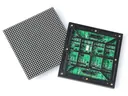
 Outdoor SMD Screens
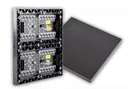 Indoor SMD Screens
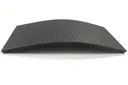 Flexible SMD Screens

Powering Digital Signage with Solar Energy
How solar energy can power or supplement digital signage: system components, sizing, battery safety, placement and when solar makes sense,…
Note: the business in this article is a hypothetical example used to illustrate how interactive digital signage can be used. It is not a real client story, and no real sales or engagement figures are reported.
Standing out in retail is harder than ever, and many businesses are looking at interactive digital signage to engage customers. In this example, we imagine how a business might use interactive screens to support sales, what to plan for, and how to measure whether it works.
Interactive signage invites customers to take part rather than just watch. Touchscreen kiosks, QR codes that open offers on customers’ phones, and catalogue browsers can help shoppers find information quickly. Touch interaction usually comes from touchscreen kiosks or tablets; large LED walls are typically used for attention-grabbing content alongside them.
Potential advantages include:
| Feature | Benefit |
|---|---|
| Touchscreen Kiosk | Lets customers explore products themselves |
| Context-Based Content | Shows messages relevant to time, place or stock |
| Analytics | Helps refine content based on what customers use |
Strong visuals help interactive signage get noticed. Clear animations, simple layouts and a consistent brand style make screens inviting and easy to use.
Useful design principles:
| Feature | What to measure |
|---|---|
| Animations | Whether more people stop to look (for example, footfall counts near the screen) |
| Touch Functionality | Number of sessions and which options are used |
| Timely Updates | Sales of promoted items during each promotion |
Interactive signage can generate useful data, such as which products are browsed most and which offers are scanned. Combined with sales data, this can show which content is working. Any data collection should be anonymous where possible, with clear notices and consent where personal data is involved.
Possible benefits include:
Rather than quoting invented results, here is how a business could set up a simple before-and-after comparison:
| Metric | How to measure |
|---|---|
| Conversion Rate | Transactions divided by visitors, over comparable periods before and after |
| Average Basket Value | Total sales divided by transactions, over the same periods |
| Engagement | Kiosk sessions, QR scans and offer redemptions |
Compare like-for-like periods and note other factors such as seasons, prices and staffing, which can also affect results.
Choose the location carefully: place screens where customers naturally pause and have a reason to interact. Use clear calls to action and track results so you can refine content over time.
Features that can help measure and improve returns:
| Feature | Benefit |
|---|---|
| Custom QR Codes | Track which screens and offers drive responses. |
| Location-Specific Content | Show offers relevant to each branch. |
| Loyalty Programme Integration | Encourage repeat visits, with customer consent and suitable software. |
Q&A: How Interactive Digital Signage Could Boost Sales
Q1: How can interactive digital signage help sales?
By letting customers explore products, see offers and find information quickly, it can encourage purchases. The effect varies, so measure it in your own business.
Q2: Which industries can benefit?
Retail, hospitality, healthcare (for check-in and information) and restaurants (for menus and self-ordering) all use interactive signage in different ways.
Q3: What could an example look like?
Imagine a fitness studio with a touch kiosk showing class schedules, offers and equipment, where members can book classes. The studio could compare bookings and product sales before and after installation to see whether the kiosk helped.
Q4: How does interactive signage improve the customer experience?
It gives customers more control: they can browse, compare and find offers themselves, which many shoppers appreciate.
Q5: Is interactive digital signage expensive?
Costs depend on the hardware, software, content and integration needed. A phased rollout can help control costs while you measure results.
Interactive digital signage can help businesses create experiences that engage customers and support sales, as long as it is well designed, well placed and properly measured. Start small, track results honestly and expand what works.
Choosing a screen? Compare indoor SMD screens and outdoor SMD screens, browse our SMD screen products, or ask for a free quote.
How solar energy can power or supplement digital signage: system components, sizing, battery safety, placement and when solar makes sense,…
Digital and static billboards each have strengths. This comparison looks at engagement, flexibility, the different cost models for advertisers and…
Digital signage thrives on attention. To create compelling content, blend vibrant visuals, concise messaging, and a clear call-to-action. Keep it…