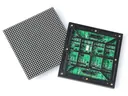
 Outdoor SMD Screens
 Indoor SMD Screens
 Flexible SMD Screens

Exploring the Capabilities of Holographic Displays in Marketing
What “holographic” marketing displays really are, from Pepper’s ghost and LED fans to anamorphic LED screens, plus their viewing, lighting…
Culture and Display Advertising: Staying Relevant Without Stereotypes
Cultural trends shape what people find interesting, funny, respectful or out of touch, and that affects how advertising is received. This applies to online ads and to physical displays such as LED screens in malls, markets and on roadsides. This article looks at how cultural awareness can improve display advertising, with practical notes for screens in Pakistan, including Urdu text and local occasions.
Trends such as interest in sustainability, nostalgia for older styles, or popular music and sport can influence what audiences respond to. Brands that reflect these trends genuinely, rather than superficially, tend to come across better.
| Trend Type | Possible Response | Example |
|---|---|---|
| Interest in sustainability | Highlight genuine eco features | Accurate product claims, no exaggeration |
| Nostalgia | Retro-inspired designs | Classic packaging in an ad |
| Diverse audiences | Inclusive, multilingual messaging | English and Urdu versions |
Colours, words and symbols can carry different meanings for different audiences, but these meanings are not fixed by region or country. Within any country, people’s associations vary by age, community, context and occasion, and they change over time. Avoid relying on broad rules like “one region prefers one colour”. Instead, test designs with people from your actual audience and consider the context: a colour that suits a festive campaign may not suit a healthcare notice.
Language needs particular care. Translations should be done or checked by fluent speakers, not just machine-translated, so tone and idioms are right. Religious symbols, national symbols and sensitive imagery should be used only with clear purpose and respect, and in line with local rules and advertising standards.
Illustrative example (not a real campaign): a Lahore bakery’s P6 outdoor screen might show one bold Urdu headline for an Eid offer, with a short English line beneath and a clear product photo, each slide held long enough to read, rather than several lines of small mixed text.
Brands often need to balance a consistent identity with local relevance. A message that works in one city or community may not land the same way in another. Understanding language, local occasions and audience expectations, ideally by involving local people in the creative process, helps avoid missteps.
Useful approaches include:
This keeps brand identity consistent while respecting local context.
Using trends well means being relevant without being opportunistic. For physical screens, relevance usually comes from place and time: content suited to the location, the season and current local events. Clear visuals and short copy help messages be noticed and remembered.
| Trend | Strategic Focus | Potential Impact |
|---|---|---|
| Interactive formats | QR codes or kiosks for people on foot | Can increase engagement |
| AI tools | Faster creation of content versions | More testing, with human review |
| Inclusivity | Showing diverse, respectful representation | Can broaden appeal |
Q&A: The Impact of Cultural Trends on Display Advertising
Q1: How do cultural trends influence the visuals in display ads?
They influence what feels current: minimal designs, retro styles or bold colours can each be popular at different times. Readability should always come first, especially on LED screens viewed from a distance.
Q2: Why do advertisers prioritise inclusivity?
Audiences are diverse, and respectful, inclusive representation helps more people relate to a brand. It should be genuine rather than token.
Q3: Can memes and internet culture affect display advertising?
Yes, they can make ads feel relatable, but humour can be misread and some content is protected by copyright. Use carefully.
Q4: How do cultural trends affect timing?
Local occasions, holidays and major events create moments when relevant content can stand out. Plan content in advance and check it is appropriate for the occasion.
Q5: What challenges do brands face when adapting to cultural shifts?
Keeping up with changing trends, avoiding stereotypes, getting translations right and avoiding content that seems opportunistic. Involving local people and testing content helps.
Cultural trends will keep shifting, and display advertising works best when it reflects them genuinely and respectfully. For screens in Pakistan, that means clear designs, well-tested Urdu and English text, content timed around local occasions, and avoiding broad assumptions about what any group prefers.
Choosing a screen? Compare indoor SMD screens and outdoor SMD screens, browse our SMD screen products, or ask for a free quote.
What “holographic” marketing displays really are, from Pepper’s ghost and LED fans to anamorphic LED screens, plus their viewing, lighting…
The realistic benefits of AI in display advertising, online and on physical screens, plus its limits and privacy responsibilities.
Digital signage projects face hurdles like hardware choice, integration, content, security and privacy. Here are practical ways to overcome them,…