 Outdoor SMD Screens
 Indoor SMD Screens
 Flexible SMD Screens

Latest Technology for Digital Billboards
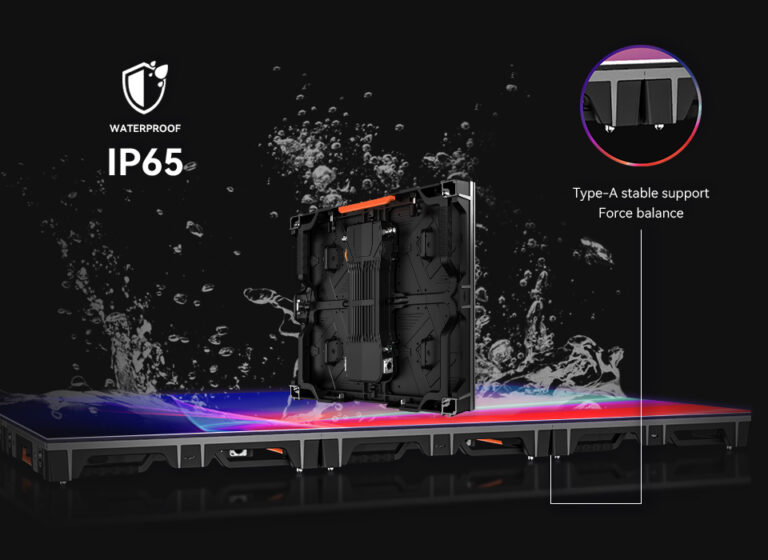
Latest Technology for Digital Billboards SMD LED, Message Displays and Interactive Features Explained Digital billboards have changed outdoor advertising by…


SMD stands for Surface-Mount Device. In an SMD LED screen, each pixel is a tiny package containing red, green and blue LED chips, soldered directly onto the surface of the module’s circuit board. Modules are assembled into cabinets, and cabinets are joined to make a screen of almost any size. Because the LEDs emit their own light, there is no backlight, unlike LCD screens.
Early LED screens used larger through-hole (DIP) LEDs, which were bright but only suitable for viewing from far away. SMD packaging allowed much smaller pixels, so pixel pitch (the distance between pixel centres) has fallen from around 10 mm to 2.5 mm, 1.5 mm and below. That made LED screens practical indoors, where people stand close.
Indoor SMD screens can be grouped into four common types:
The most common type: indoor modules (typically around P2.5 to P4) mounted permanently on a wall or frame in shops, malls, halls and lobbies. They balance clarity and cost for viewing distances of a few metres and more.
Screens with very small pixel pitch (roughly P2 and below) for boardrooms, control rooms, studios and premium retail, where people view from close up. They show more detail but cost more per square metre.
Lightweight cabinets with quick locks, designed to be assembled and dismantled repeatedly for concerts, conferences and exhibitions. Stacking and hanging must follow the manufacturer’s load limits and be done by trained rigging crews.
Flexible SMD screens use modules with a soft circuit board that can be bent to a designed curve during installation, for columns, curved walls and creative shapes. They need a custom support structure.
OLED is not a type of SMD screen. OLED panels use organic materials and are made as single panels in fixed sizes (such as TVs and phones). SMD LED screens are modular, can be built much larger, and are generally brighter. For large indoor walls, SMD LED is the usual choice; OLED suits smaller displays viewed up close.
Stage backdrops, gaming arenas, cinema lounges and clubs use indoor LED walls for large, bright, seamless images.
Shops and malls use indoor screens for promotions, product videos and brand content that can be updated without reprinting.
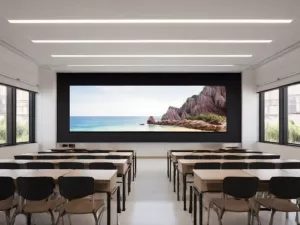
Auditoriums and lecture halls use LED walls to make presentations visible to large audiences. (Touch interaction requires separate interactive panels.)

With the right pixel pitch for the viewing distance, indoor SMD screens show sharp, colourful images. Choosing a pitch that is too coarse for close viewers is the most common cause of disappointing image quality.
Indoor screens need far less brightness than outdoor ones, and modern SMD LEDs with good power supplies and brightness control can be efficient. Actual consumption depends on size, brightness and content; ask for typical and maximum power figures for the model.
Many indoor cabinets are slim and some allow front servicing, so the screen can be mounted close to a wall without rear access space.
Because screens are built from modules, they can be sized to fit a wall or recess with no visible bezels between panels.
Width, height, aspect ratio, and (with flexible modules) curves can be tailored to the space and content.
Large or wrap-around LED walls can create immersive spaces in showrooms, lobbies and event venues, provided content is designed for the screen’s exact resolution.
Keep the screen ventilated and dust-free, keep spare modules from the same production batch, and have faulty modules or power supplies replaced by trained technicians. Avoid touching the LED surface, as fine-pitch modules are delicate.
Cost depends mainly on area, pixel pitch, module quality, controller and installation. Finer pitch costs more, so choose the coarsest pitch that still looks sharp at your closest viewing distance.
Check that the controller accepts your video sources (such as HDMI from a PC or media player) and supports the screen’s resolution. Electrical work should be done by a qualified electrician, and wall or frame mounting checked by a qualified engineer.

Pixel pitches keep getting smaller, and newer packaging methods such as COB (chip-on-board) and micro-LED are making very fine-pitch screens more robust.
Indoor screens can be controlled from building or AV control systems (for scheduling, switching sources and power), if the controller supports it.
More efficient LEDs and power supplies reduce energy use. At end of life, modules and electronics should go to an e-waste recycler.
Measure the wall or area, note the closest and furthest viewing positions, and check ceiling height, wall strength and power availability.
Key specifications are pixel pitch, resolution, brightness (in nits; indoor screens usually need far less than outdoor), refresh rate (important if the screen will be filmed), viewing angle, power consumption and service access (front or rear).
Ask about warranty terms, availability of spare modules, and local technical support before buying.
Illustrative example only: for a showroom feature wall about 4 m wide, where visitors stand around 3 m away, a pitch around P2.5 is a sensible starting point. A 4 m width at 2.5 mm pitch gives roughly 1,600 pixels across, and the same 16:9 content can be designed at that size. A finer pitch would look sharper up close but cost more.
The examples below describe typical uses, not specific SMDLED projects.
Window-facing and in-store screens show promotions, new arrivals and brand videos, with content scheduled by time of day.
Lobbies use LED walls for branding and visitor information; boardrooms use fine-pitch screens for presentations and video calls.
Hotels and conference venues use fixed or rental LED screens for stage backdrops, signage and event branding.
To know whether a screen is working, decide in advance what to measure.
Track responses linked to screen content, such as QR scans, offer codes or enquiries.
Compare footfall or sales for promoted products during and after campaigns, alongside other marketing activity.
In education, gather teacher and student feedback on visibility and usefulness rather than assuming learning benefits.
Large, bright indoor displays are now a common part of retail and entertainment spaces.
Digital screens let businesses update messages quickly and show video, rather than relying on printed signage.
Modular and flexible screens give designers more freedom in shape and size.
Buying spare modules at installation and choosing widely used controllers helps keep a screen serviceable for longer.
Virtual production studios, immersive rooms and interactive installations are growing uses for fine-pitch LED.
A screen should look good in the space but also be easy to service, safely mounted and readable from where people actually stand.
Indoor SMD screens are a flexible way to bring bright, large-format visuals into shops, offices, venues and classrooms. Choosing the right type, pixel pitch and controller for your space, installing it safely and maintaining it well are what make the difference between an impressive screen and a disappointing one.
Planning an indoor screen? See typical pitches and uses on our indoor SMD screens page, check the specifications of the BIA Indoor SMD Screen Module, or read the key differences between indoor and outdoor screens.
Contact Us For Free Consultation at 0306-1333384
Powered By BIA Communications
Latest Technology for Digital Billboards SMD LED, Message Displays and Interactive Features Explained Digital billboards have changed outdoor advertising by…
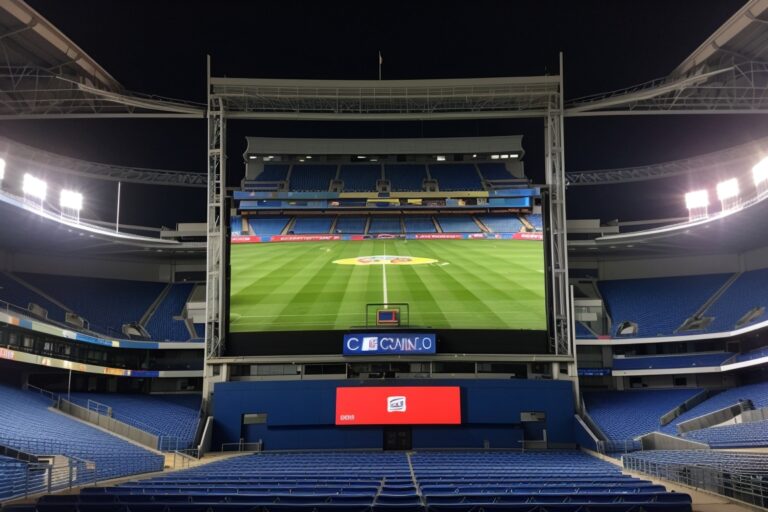
Benefits of Outdoor SMD Screens Outdoor SMD screens have become a familiar part of public spaces. These bright, weather-resistant LED…
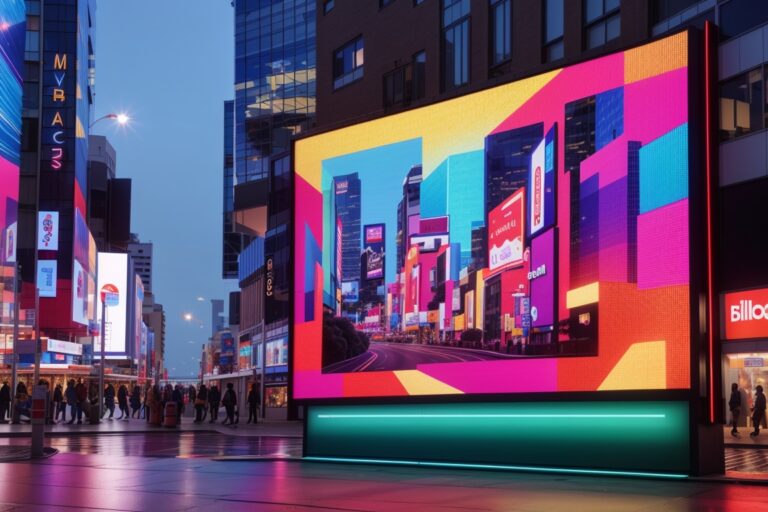
Types of SMD Screens: Types, Pixel Pitch, and Their Diverse Applications SMD (Surface-Mount Device) LED screens are widely used for…