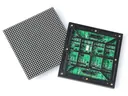
 Outdoor SMD Screens
 Indoor SMD Screens
 Flexible SMD Screens

What Is the Best Pixel Pitch for an Outdoor Screen in Pakistan?
What Is the Best Pixel Pitch for an Outdoor Screen in Pakistan? Selecting the best pixel pitch for outdoor screen…

Choosing between indoor vs outdoor SMD screens is one of the first decisions when planning an LED display project. Indoor and outdoor models are built for different environments, and using the wrong type can cause poor visibility, damage or safety problems.
This article explains the five main differences. Exact figures vary between products, so always check the datasheet of the specific model you are considering.
SMD screens are LED displays built with Surface Mount Device LED packages. They are used for advertising, events, corporate communication, education and media.
Indoor and outdoor versions are engineered differently to suit their environments.
Brightness is the most obvious difference.
• Much lower brightness than outdoor screens
• Designed for controlled lighting
• Usually run below maximum for comfort
• Much higher brightness, so content can be read in daylight
• Brightness needs depend on sun exposure, orientation and surroundings
• Should be dimmed at night
Check the brightness on each product’s datasheet against your site conditions.
Explore our BIA Outdoor SMD Screen Module and BIA Indoor SMD Screen Module.
The second major difference is environmental protection.
• Not designed for water or weather
• Typically a low IP rating; check the product
• Often lighter cabinets
• Sealed modules and cabinets, commonly IP65 on the front (dust-tight and protected against low-pressure water jets)
• Protection against rain and dust when installed correctly
• Sturdier cabinets
An IP rating describes protection against dust and water only. It does not tell you how the screen handles heat. For Pakistan’s hot summers, also check the product’s rated operating temperature and its ventilation or cooling design.
The usual pixel pitch ranges differ, but they overlap and depend on the product range.
• Usually finer pitches, because viewers are close
• Higher resolution for close viewing
• Often larger pitches for long viewing distances, though finer-pitch outdoor products are also available
• Chosen for visibility at a distance
Choose the pitch from the actual viewing distance: too coarse looks pixelated, too fine may cost more than necessary.
Power use depends on size, brightness and the product.
• Lower brightness
• Generally lower power per square metre
• Higher brightness
• Generally higher power per square metre
• Cooling design matters
Plan the power supply with a qualified electrician, especially for outdoor installations.
Cost and setup also differ.
• Cost depends mainly on size and pitch; fine-pitch indoor screens can cost more per square metre than outdoor screens
• Wall or frame mounting
• Extra protection, brightness and structure add cost
• A supporting structure designed by a qualified structural engineer
• Permissions from the relevant authorities and the property owner
Outdoor screens often need approval. Requirements vary by city and location, so check with the relevant local authority before you plan.
Applications make the difference clearer.
Indoor uses
• Conference rooms
• Universities
• TV studios
• Shopping malls
Outdoor uses
• Billboards
• Roadside advertising
• Public events
• Stadiums
No. Indoor screens should never be used outdoors because:
• They lack weather protection, which creates a risk of damage and electrical hazards
• Their brightness is too low for daylight
This mistake often leads to failure and wasted money.
When deciding between indoor and outdoor screens, ask:
• Where will the screen be installed?
• What is the viewing distance?
• How much sunlight will reach it?
• What is the budget?
Professional guidance helps you choose correctly. Browse available SMD screens or get advice from our team.
Both indoor and outdoor SMD screens can be built as video walls.
For indoor high-resolution video walls, see the BIA HDR 4K LED Video Wall.
Video walls are popular for media, control rooms and large venues.
Brightness and weather protection are the biggest differences.
It is possible, but they are often much brighter than needed, usually have coarser pitches than indoor screens and may use more power. An indoor product is normally the better choice.
It depends on size, pitch and components. At the same pitch, outdoor screens usually cost more because of the extra protection and brightness, but a fine-pitch indoor screen can cost more per square metre than a coarse-pitch outdoor screen.
Often, yes. Requirements depend on the city, the location and the type of screen, so check with the relevant local authority and the property owner.
It depends on product quality, operating hours, brightness, environment and maintenance. Outdoor screens face harsher conditions, so good protection and maintenance are important.
Understanding the differences between indoor and outdoor SMD screens helps you choose the right screen for its environment and use.
Explore SMD screen solutions, view all products, ask for a consultation, or follow us on Facebook.

What Is the Best Pixel Pitch for an Outdoor Screen in Pakistan? Selecting the best pixel pitch for outdoor screen…
Pixel Pitch Explained: What P3, P4, P6, and P10 Really Mean When buying or renting an SMD screen, one term…

Note: this article describes how news channels such as GEO News and ARY News typically use video walls, as illustrative…