 Outdoor SMD Screens
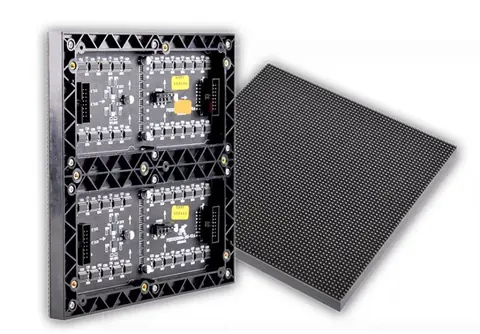 Indoor SMD Screens
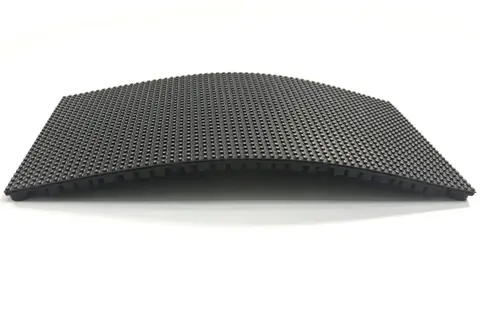 Flexible SMD Screens

The Future of Gesture Control in Interactive Displays
Gesture control is redefining interactive displays, merging intuitive motion with technology. As touchless interfaces evolve, they promise seamless, immersive experiences…
Some digital signage systems use cameras to adapt what a screen shows, for example by counting how many people are present. More ambitious systems claim to estimate age or gender, infer emotion, or even recognise individuals. These ideas raise serious questions about privacy, consent, accuracy and fairness.
This article explains the different technologies involved, their limits and risks, and the safeguards and alternatives to consider. It is general information, not legal advice. SMDLED supplies LED screens; we do not provide facial recognition or biometric services.
Several quite different technologies are often grouped together:
An LED screen itself does none of this; any such function comes from separate cameras and software.
| Technology | What It Does | Main Concern |
|---|---|---|
| People counting | Counts presence | Lower risk if no images are stored |
| Demographic estimation | Guesses age or gender | Accuracy, bias, data handling |
| Emotion inference | Guesses mood | Weak reliability, intrusiveness |
| Facial recognition | Identifies individuals | Biometric privacy, consent, legal risk |
Supporters argue that adapting content to the audience could make ads more relevant. In practice, the benefits are uncertain and often unproven, while the downsides are significant:
| Risk | Consideration |
|---|---|
| Privacy intrusion | Whether camera analysis is necessary at all |
| Data misuse or breach | What is collected, where it is processed, how long it is kept |
| Unfair outcomes | Testing for bias and errors |
Techniques such as processing images only on the device, discarding images immediately, aggregating results, encryption and data minimisation can reduce risk. However, they do not by themselves make a system anonymous or lawful. Whether data is truly non-identifiable, and whether a system complies with the law, depends on how it is actually designed and operated and on the laws that apply where it is used. A specialist privacy and legal assessment is needed before deploying any camera-based audience analytics.
| Safeguard | What It Helps With | Limitation |
|---|---|---|
| On-device processing, no image storage | Reduces data held | Faces are still captured and analysed |
| Aggregated, anonymised outputs | Reduces identifiability | Anonymisation must be verified, not assumed |
| Encryption and access controls | Reduces breach risk | Does not address whether collection is justified |
A particular difficulty with public screens is consent. Passers-by are captured by a camera before they could read a notice or click “accept”, and bystanders who never look at the screen may be captured too. On-screen pop-ups or after-the-fact deletion tools do not solve this. Clear notices, limiting the camera’s field of view, and not using identification at all are important considerations, along with whatever the applicable law requires.
Less intrusive alternatives often meet the same business need:
| Policy Element | Example |
|---|---|
| Notice | Clear signage explaining any camera use before people enter the area |
| Transparency statement | A public page describing what is collected, why, and for how long |
| Necessity check | Choosing non-camera alternatives where they meet the need |
Q1: How are cameras used with digital advertising screens?
Uses range from simple people counting to demographic estimation, emotion inference and, more controversially, identifying individuals. These are separate functions with very different risks, provided by cameras and software, not by the screen itself.
Q2: Can these systems reliably tell someone’s mood, age or gender?
Not reliably. Estimates can be wrong, and emotion inference in particular has a contested scientific basis. Accuracy can also vary between groups of people.
Q3: What are the main ethical concerns?
Privacy, consent (especially for passers-by), data security, accuracy and bias, and the risk of creating a sense of surveillance.
Q4: What about regulation?
Rules on biometric and personal data differ between jurisdictions and continue to develop. For example, the European Union has strict data protection rules such as the GDPR. Anyone considering such systems should get specialist legal advice for the places where they operate.
Q5: Is there a responsible approach?
Start by asking whether camera analysis is needed at all. Often, scheduling, simple counters and opt-in interaction achieve the goal with far less risk.
Camera-based audience analysis is often promoted as the future of digital advertising, but its benefits are uncertain and its risks to privacy, fairness and trust are real. Less intrusive approaches are usually the better starting point, and any camera-based system needs careful legal and ethical assessment before use.
Choosing a screen? Compare indoor SMD screens and outdoor SMD screens, browse our SMD screen products, or ask for a free quote.
Gesture control is redefining interactive displays, merging intuitive motion with technology. As touchless interfaces evolve, they promise seamless, immersive experiences…
Digital billboards use significant electricity. This practical guide explains what drives their energy use, which measures genuinely reduce it (efficient…
In a bold move to captivate audiences, a brand turned to 3D billboards, transforming passersby into engaged spectators. The result?…