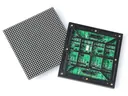
 Outdoor SMD Screens
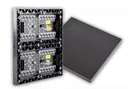 Indoor SMD Screens
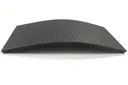 Flexible SMD Screens

The Future of LED Technology in Display Advertising
Where LED display technology for advertising is heading: finer pitches and MicroLED, transparent and flexible LED, smarter content, and realistic…
On busy roads and in shopping districts, digital billboards compete for a brief glance. A well-designed ad can turn that glance into a lasting impression; a poorly designed one is simply ignored. Good billboard design blends bold visuals, concise messaging and an understanding of how and where people will see the screen. In this guide, we’ll cover practical techniques for designing digital billboard ads for LED screens, including how to design for the screen’s actual pixel canvas and how to keep roadside ads safe and compliant.
People notice strong contrast, clear shapes and simple compositions quickly. Use bold colours with contrasting tones to create focus, and keep the design simple enough that the message is not lost. Large, readable fonts and clearly defined imagery make an ad easier to understand in a few seconds.
Key elements to consider:
| Visual Element | Effect |
|---|---|
| Bright, contrasting colours | Helps attract attention |
| Minimal Text | Quicker comprehension |
| Central Imagery | Focuses the viewer’s gaze |
A digital billboard is not a giant TV. An LED screen has a fixed resolution set by its size and pixel pitch, and outdoor billboards often have far fewer pixels than a phone. For example, a 6 m wide screen at 10 mm pitch is only 600 pixels wide. Before designing, ask the screen owner for the exact pixel dimensions and design at that size. Check that your smallest text is still several pixels tall and that fine details, thin lines and small logos do not disappear. Preview the design at actual size, and if possible on the screen itself.
With digital billboards, every word counts. Focus on brevity and clarity: your audience has only seconds, and drivers should be able to understand the ad with a quick glance before returning their eyes to the road. Use simple, action-oriented language. A punchy tagline or a straightforward call-to-action is often enough. Use size and colour to emphasise the most important words. Many designers aim for around seven words or fewer for roadside billboards; it is a common rule of thumb rather than a fixed law, and pedestrian screens can carry a little more.
Pair your words with bold imagery that supports the message. Instead of full sentences, use short phrases or simple icons. For example:
Here are some example phrases by focus:
| Focus | Example Phrase |
|---|---|
| Urgency | “Limited Offer: Ends Tonight!” |
| Value | “Member Deals All Week” |
| Emotion | “Find Your Happy Place Here.” |
Colours and fonts are essential for readability. Use contrasting colours so text stands out. On LED screens, light text on a dark background usually works best, because large bright areas can cause glare, especially at night, and use more power. Avoid too many colours; two or three complementary shades plus an accent colour for the call-to-action keeps things clear.
Fonts matter just as much. Choose clean sans-serif fonts, such as Arial or Helvetica, which stay legible at low resolution and from a distance. Avoid decorative or script fonts. Here is a general guide for font styling:
| Font Aspect | Advice |
|---|---|
| Font Size | Large enough for the longest expected viewing distance; test at actual size on the screen, since legibility depends on the font, contrast, pixel pitch and viewing conditions |
| Letter Spacing | Generous spacing so letters don’t merge at low resolution |
| Emphasis | Use bold weight for key points |
A clean, organised design helps people understand your message at a glance. Prioritise a hierarchy of content: put the most important information first and largest, followed by a short tagline or call-to-action. Use plenty of negative space so each element stands out, and align elements neatly to guide the eye through the ad.
Keep font sizes and colours consistent, and use contrast to make text legible from a distance. Use large, bold text for headlines and limit yourself to one or two font styles. Consider these techniques:
| Layout Principle | Key Benefit |
|---|---|
| Negative Space | Enhances readability and focus. |
| Text Hierarchy | Guides the viewer’s attention naturally. |
| Visual Balance | Creates an aesthetically pleasing design. |
How to Design Eye-Catching Digital Billboard Ads: 5 Essential Q&A
A: Keep it simple: bold, high-contrast visuals, a short headline and minimal text. Drivers and pedestrians only have a moment, and drivers must not be distracted for long.
A: Colour attracts attention and sets the mood, but legibility comes first. Avoid too many colours and very bright full-screen whites, especially at night.
A: Use a clear idea, such as a visual metaphor, humour or a thought-provoking line that fits your brand. A memorable ad is simple enough to recall later.
A: Movement can attract attention in pedestrian areas when used carefully. For roadside screens, check local rules: animation is often restricted, and static frames are the safer choice for drivers.
A: Preview it at the screen’s actual pixel resolution and from realistic viewing distances, ideally on the screen itself. Where possible, compare designs using measurable responses such as enquiries or offer codes.
Designing eye-catching digital billboard ads is a balance of creativity, strategy and practical constraints. Design for the screen’s real pixel canvas, keep messages short and high-contrast, respect local rules on motion and brightness, and test before you launch. Done well, your billboard can turn brief moments into lasting impressions.
Choosing a screen? Compare indoor SMD screens and outdoor SMD screens, browse our SMD screen products, or ask for a free quote.
Where LED display technology for advertising is heading: finer pitches and MicroLED, transparent and flexible LED, smarter content, and realistic…
An overview of the kinds of rules that can affect digital out-of-home advertising, including location, brightness, content, permits and data…
As tech evolves, flexible displays are reshaping how brands engage audiences. But can they outshine the reliability of traditional screens?…