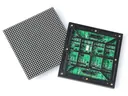
 Outdoor SMD Screens
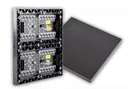 Indoor SMD Screens
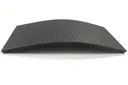 Flexible SMD Screens

Navigating the Regulatory Landscape for Digital Out-of-Home Advertising
An overview of the kinds of rules that can affect digital out-of-home advertising, including location, brightness, content, permits and data…
The Future of LED Technology in Display Advertising
Competition for attention keeps growing, and LED displays have become one of the main tools for advertising in cities, malls and stores. From large billboards to fine-pitch indoor screens, LED technology continues to improve. In this article we look at how LED displays have developed, the innovations shaping the next generation, and how to approach them sensibly.
LED displays have moved from coarse, low-resolution panels to fine-pitch screens with smooth images and accurate colour. Improvements in LED packaging (including SMD), driver chips, control systems and cabinet design have made screens brighter, more uniform and more flexible in size and shape.
Key developments include:
| Period | Typical Features |
|---|---|
| Early 2000s | Coarse pitches, mainly large outdoor screens, basic video. |
| 2010s | SMD packaging widespread, finer pitches, better colour and uniformity. |
| Today | Fine-pitch indoor walls, transparent and flexible options, smarter control software. |
MicroLED and Mini LED are LED technologies that use much smaller LED chips. MicroLED is not a resolution; it is a way of building displays with tiny self-emitting LEDs, which allows very fine pitches and high contrast. Chip-on-board (COB) packaging is another approach used for fine-pitch screens. These technologies are currently used mainly in premium indoor displays.
On the software side, content management systems can change content by time, location or weather, and AI tools help create and schedule content. Edge computing, meaning processing in the local media player, keeps content running smoothly even when the network is slow.
Transparent LED displays let light and views pass through, which suits glass storefronts and facades, and flexible LED modules can be shaped around curved surfaces during installation. Solar power can support some outdoor screens, but large bright screens need substantial power, so solar systems must be properly sized by qualified engineers.
| Technology | Key Advantage | Application |
|---|---|---|
| Data-triggered content | Content matched to time, place or weather | Retail and outdoor networks |
| Transparent LED | Keeps views and light through glass | Storefronts and facades |
| MicroLED / fine-pitch COB | Very fine detail for close viewing | Premium indoor displays |
LED components have become more efficient, and features like adaptive brightness and dynamic power regulation help reduce consumption. Even so, large bright LED screens use significant electricity, and the savings from dimming depend on the model, settings and environment. Ask manufacturers for typical and maximum power figures and estimate running costs with the per-unit rate on your own bill.
Other sustainability points:
| Feature | Impact |
|---|---|
| Adaptive brightness | Reduces energy use in low light; the saving depends on settings and conditions. |
| Modular repair | Extends service life and reduces waste. |
Start from the location and purpose rather than the newest technology. Curved, transparent or ultra-thin screens suit some spaces, but a standard flat screen is often the best value. Work with suppliers who can provide datasheets, references and local support, and pair the hardware with a content management system that fits your needs. Any structural or electrical work should be designed and carried out by qualified engineers and electricians.
Energy and sustainability considerations can also guide choices: efficient components, brightness control and a plan for maintenance and end-of-life. Useful steps:
| Action Step | Key Benefit |
|---|---|
| Choose the right pitch and brightness | Avoids paying for detail or brightness you do not need |
| Plan content management | Easier scheduling and updates |
| Check power use | Realistic running-cost estimates |
1. How has LED technology changed display advertising?
It has turned static billboards into screens that can show video, animation and changing messages, with content that can be updated quickly.
2. What role does energy efficiency play?
LED components keep becoming more efficient and brightness control helps, but large screens still use significant power. Compare models on their published power figures.
3. Can LED displays personalise advertising in real time?
They can change content by time, location, weather or anonymous footfall, through the content management system. Targeting individuals on public screens raises privacy issues and is generally avoided.
4. What trends are shaping LED displays?
Finer pitches, MicroLED and COB, transparent LED, flexible LED modules, and anamorphic “3D” content on large screens.
5. Will LEDs dominate advertising?
LED is growing, but advertising will continue to use a mix of media. Cost, location and audience will decide the best choice for each campaign.
LED technology will keep improving in detail, flexibility and efficiency. The businesses that benefit most will be those that choose technology to suit the location, create strong content and plan for running costs and maintenance.
Choosing a screen? Compare indoor SMD screens and outdoor SMD screens, browse our SMD screen products, or ask for a free quote.
An overview of the kinds of rules that can affect digital out-of-home advertising, including location, brightness, content, permits and data…
As tech evolves, flexible displays are reshaping how brands engage audiences. But can they outshine the reliability of traditional screens?…
Flexible displays let brands put screens on curved and unusual surfaces. We explain the difference between flexible LED modules and…