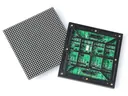
 Outdoor SMD Screens
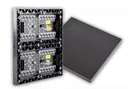 Indoor SMD Screens
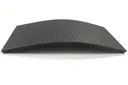 Flexible SMD Screens

Lahore’s “Ring Road” Advertising: Best Practices for SMD Billboards
The Lahore Ring Road connects major parts of the city, including DHA, the Airport and Ferozepur Road. Advertising beside a…
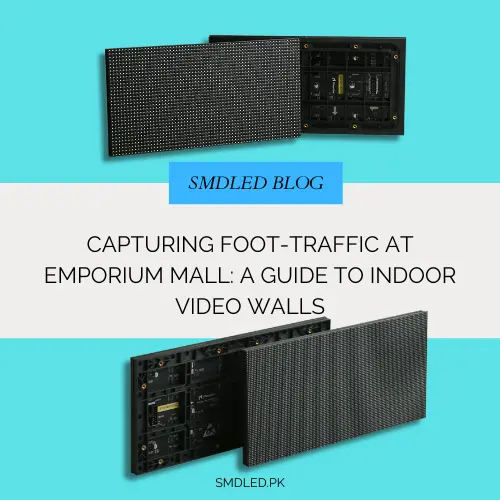
Note: this article describes illustrative ideas for retail brands in a large mall, using Emporium Mall as an example setting. It is not a report of an SMDLED installation at Emporium Mall and does not imply any arrangement with the mall’s management; figures are indicative.
Large malls such as Emporium Mall in Lahore have big atriums and long corridors, and shoppers see a great deal of visual signage. For a retail store, a mannequin display or printed poster can get lost in the noise.
An indoor video wall can help a store stand out with brightness, motion and colour, and may encourage more passers-by to stop and look. Results depend on the store, its location, content and offer, so treat a video wall as one part of your visual merchandising.
Shoppers are used to high-quality images on their phones, and in-store visuals that look sharp and well made support a brand’s image.
People tend to notice movement. A video wall lets fashion retailers show runway footage, tech stores demonstrate products, and food outlets show their dishes. Keep motion smooth and avoid rapid flashing, which can be uncomfortable for some viewers.
For premium brands, a pixelated screen undermines the message. Choose a pixel pitch suited to how close shoppers will stand. Fine-pitch products such as the BIA HDR 4K LED Video Wall are options to discuss; check the exact pitch, brightness and resolution on the datasheet against your viewing distance and screen size.
Where you place the video wall matters as much as the content. Malls usually have their own rules on storefront signage, brightness and installation, so get the mall management’s approval first.
Mall interiors are usually brightly lit with artificial light.
In a busy mall, your storefront works like a billboard. An indoor video wall lets you change campaigns quickly and present your brand with movement and colour. With the right pitch, placement, mall approval and content, it can be a useful tool for brick-and-mortar retailers.
Do you have a retail outlet in a shopping mall? SMDLed supplies indoor LED screens and video walls. Contact us to discuss your store and ask about seeing a screen in person.
👉 Check out our indoor modules 👉 Speak to our team
Where shoppers pass close by, a fine pixel pitch (around P2.5 or finer) is often considered. The right choice depends on the closest viewing distance, the content and the budget.
Some commercial products are rated for long or continuous operation; check the specific product’s rating. In malls, screens are normally scheduled to switch off or go to standby after hours, which saves energy and reduces wear.
Usually not. Depending on the controller and software chosen, content can be updated from a USB drive, a laptop or, with networked systems, remotely. Confirm which method your system supports.
LED cabinets are relatively slim, but the total depth depends on the mounting method and whether front or rear service access is needed. Walls and structures must be checked by a qualified engineer for the screen’s weight, and electrical work done by a qualified electrician.
Yes. Curved cabinets or flexible LED modules can create curved or column-wrapped video walls, within the manufacturer’s limits.
The Lahore Ring Road connects major parts of the city, including DHA, the Airport and Ferozepur Road. Advertising beside a…
Data Darbar and Badshahi Mosque are among Lahore's busiest religious sites. This article looks at how SMD screens could support…
Lahore weddings are known for grandeur and personal touches. This article explores how SMD Screens Wedding Halls can provide dynamic…