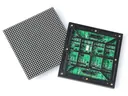
 Outdoor SMD Screens
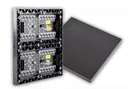 Indoor SMD Screens
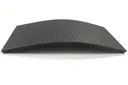 Flexible SMD Screens

SMD Screens in Hospitals: Improving Patient Experience in Pakistan
How SMD screens can support hospitals in Pakistan with waiting-room information, queue updates, wayfinding, health messaging and staff notices, plus…
In Pakistan, the local mosque, or Masjid, is at the heart of community life: a place of daily prayer, reflection, education and gathering. For decades, visual communication in mosques relied on analogue clocks, printed calendars and handwritten boards. As congregations grow and the need for clear information increases, many mosque committees are considering SMD screens for mosques as a clearer, more flexible alternative.
Introducing SMD screens for mosques need not change the traditional atmosphere of the space; the aim is to help worshippers. These displays can show prayer timings, community announcements and, where the mosque committee chooses, a live relay of sermons for overflow areas.
In this guide, we look at how SMD screens for mosques can be used, how they can fit with Islamic architecture, and what to consider for prayer timings, placement, safety and maintenance.
Showing the five daily prayers (Fajr, Dhuhr, Asr, Maghrib and Isha) and Jummah clearly is one of the most useful functions of a mosque display. Older mechanical clocks and red 7-segment displays can be hard to read from a distance and often need manual adjustment through the year.
Modern controllers can keep the clock accurate through network time and can calculate prayer times from the mosque’s location. Calculated times depend on the calculation method and juristic settings chosen (for example, the method used for Fajr and Isha angles and the Asr calculation), so these settings should be set and approved by the mosque’s Imam or committee to match local practice. Many mosques also enter Jamaat times manually, and some prefer to follow a locally published timetable. Check the displayed times periodically.
Administrators can design the layout to show the current time, the start time of each prayer (Awal Waqt), the congregation time (Jamaat), and sunrise and sunset, on one clear, full-colour display. With a pitch and text size chosen for the hall, timings can be read comfortably from the back rows, including by elderly worshippers.
Mosques are also hubs for community news. Verbal announcements after prayer can be missed by latecomers, and paper notices are easily overlooked.
SMD screens for Masjids can show a scrolling ticker or slides with community information: the start of Ramadan, community iftars, Janaza announcements, fundraising drives or classes. This helps more of the congregation see important notices.
Content can be scheduled. For example, during individual prayers the screen can dim or show only the timings, and after the congregation finishes it can show details of upcoming seminars or Quran classes. Many mosques choose to keep screens very simple and switch off animated content during prayer to avoid distraction.
Mosque committees often worry that digital displays will clash with traditional architecture, with its calligraphy, tile work and arches. A bulky TV on a decorated wall is understandably unappealing.
SMD screens for mosques are built from modular LED panels, so they can be sized to fit within existing features such as arches or alcoves, within the limits of the module sizes available.
LED walls have no thick bezels, so they can sit neatly against marble or wood panelling, provided the manufacturer’s ventilation requirements are met. Thoughtful design and calm content help the screen complement the space.
For a main hall where high detail is wanted, options such as the BIA HDR 4K LED Video Wall are designed for clear, detailed images. Its listed features include Ultra HD resolution, vibrant colours, seamless panels and high contrast.
Jummah is the largest weekly gathering, and in large multi-storey mosques many worshippers cannot see the Imam directly during the Khutbah.
Where the mosque committee decides it is appropriate, cameras and screens can relay the Khutbah to basement levels, upper floors and courtyards. Screens can also show the Arabic text of verses or Hadith being referenced along with Urdu or English translation, helping more of the congregation follow the sermon.
Questions about following the Imam in prayer through audio or video relays are matters for the mosque’s Imam and scholars. Video systems also have a small delay, so the sound system, rather than the screen, should usually remain the main reference for the congregation.
For indoor areas, the BIA Indoor SMD Screen Module is a good option to consider. Its listed features include crisp resolution, low power use, a lightweight design and silent operation, which helps keep prayer halls quiet; check the specification of the full setup, including power supplies and controllers.
Mosques in Pakistan often overflow during Jummah, Ramadan (especially Taraweeh) and the Eid prayers, with worshippers filling courtyards and nearby areas.
Outdoor SMD screens for mosques can help these worshippers see timings, announcements and, where used, a relay of the Khutbah. Outdoor screens need higher brightness for daylight and weather-resistant cabinets for rain, dust and heat.
Elevated outdoor screens must be mounted on structures designed by a qualified structural engineer, with power and earthing installed by a licensed electrician, and placed so they do not obstruct exits or create hazards for crowds. Cables in prayer areas should be routed safely away from walkways.
The BIA Outdoor SMD Screen Module is designed for outdoor use. Its listed features include a weatherproof casing, high brightness, durable materials and a high refresh rate.
Understanding the specifications helps a committee make good use of community funds. The most important is the pixel pitch, which affects clarity at different viewing distances.
Where worshippers sit close to the screen, a fine pitch (for example P2 or P2.5) helps Arabic calligraphy and small text look smooth. For larger outdoor screens viewed from further away, a coarser pitch (for example P5 or P6) is usually more cost-effective. Mounting screens on minarets or other tall elements is a specialist structural job and may not be suitable for every building; consult a qualified structural engineer first.
Maintenance matters in busy public spaces. LED screen lifespan depends on the model, operating hours, brightness, temperature and maintenance, so check the manufacturer’s rated lifetime and warranty. Plan for regular cleaning (as advised by the manufacturer, with the screen switched off), inspection and spare modules. The modular design means a damaged module can usually be replaced without replacing the whole display.
You can explore options on our Products Page.
As more people get used to digital information, expectations for how community centres share information are changing. SMD screens for mosques can help bridge tradition and modern convenience.
Some content management systems can be linked with a mosque’s website or app, so updating timings or news in one place updates them everywhere. This can reduce work for volunteers, depending on the software chosen.
Screens can also show graphics that match the mosque’s colours and style, helping create a consistent and respectful visual environment.
You can follow our latest updates on our Official Facebook Page.
Moving from static boards and old clocks to SMD screens for mosques can offer:
Used thoughtfully, with the guidance of the mosque’s Imam and committee, SMD screens for mosques can help religious centres in Pakistan communicate clearly and serve their communities well.
If your mosque relies on hard-to-read clocks and paper notices, a well-designed digital display can help. Our team at SMD LED can help you plan a suitable system for your prayer halls and courtyards. Contact Us Today to arrange a consultation and get a quote for your community project.
1. Why choose SMD screens for mosques over standard digital clocks?
They are more versatile. A standard clock shows only numbers, while an SMD screen can show full-colour timings, announcements, translations and calligraphy on one bright display.
2. Can SMD screens for mosques automatically adjust prayer timings?
Many controllers can calculate prayer times from the mosque’s location, but the results depend on the calculation method and settings selected. These should be configured and approved by the mosque’s Imam or committee to match local practice, and checked periodically. Jamaat times are usually set by the mosque.
3. Will SMD screens spoil the traditional look of our prayer hall?
Not if they are planned carefully. Modular panels can be sized to fit features such as arches or alcoves, and with calm content and sensible brightness they can complement the room.
4. Are outdoor SMD screens for mosques suitable for the monsoon season?
Outdoor-rated screens are designed for rain, dust and sun, for example with an IP65 rating (dust-tight and protected against low-pressure water jets). They must be installed correctly by qualified professionals and maintained regularly, and powered equipment should never be handled while wet.
5. How difficult is it for mosque staff to operate SMD screens?
Most control software is designed to be straightforward. An administrator can usually update announcements, change graphics or switch inputs from a computer or mobile device, after a short training session.
How SMD screens can support hospitals in Pakistan with waiting-room information, queue updates, wayfinding, health messaging and staff notices, plus…
How to plan SMD video walls for concerts in Pakistan: stage placement, IMAG screens, pixel pitch, camera testing, outdoor weather…

Planning a corporate event or seminar in Pakistan? Here are five ways SMD screens for conferences can improve presentation clarity,…