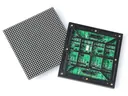
 Outdoor SMD Screens
 Indoor SMD Screens
 Flexible SMD Screens

Why SMD LED Screens Suit Airport Displays
How SMD LED screens can be used for airport information, wayfinding and advertising, and the integration, redundancy, security and installation…


Businesses are always looking for better ways to reach their audience, and outdoor digital signage lets brands show dynamic, eye-catching content in public spaces. Many outdoor displays today use SMD screens for advertising. Outdoor-rated models are built as weather-resistant LED screens with high brightness and flexible sizing, which makes them a strong option for outdoor environments when they are specified, installed and maintained properly.
Outdoor advertising has moved on from printed billboards. Digital signage lets businesses change content quickly, schedule messages by time of day and show video. Whether on a busy city street or at a suburban shopping centre, outdoor digital signage helps businesses stay visible and share timely messages with a large audience.
SMD (Surface-Mounted Device) screens are LED displays in which each pixel is usually a single LED package containing red, green and blue chips, mounted on the surface of a circuit board. Compared with older through-hole (DIP) LED screens, SMD allows finer pixel pitches, smoother images and wider viewing angles. DIP is still used for some very bright, coarse-pitch outdoor screens, so the right choice depends on the project.
Here are some of the reasons SMD screens for advertising are widely used outdoors:
Outdoor displays need to be readable in daylight and from a distance. Outdoor-rated SMD screens are built for high brightness, and finer pitches allow sharper images for closer viewing. Brightness needs to be set to suit the location and time of day; automatic dimming, where included, helps reduce glare and power use at night.
Outdoor screens face sun, rain, dust and heat. Weather-resistant LED screens use sealed modules and cabinets rated for outdoor use. An IP65 rating, for example, means the rated side is dust-tight and protected against low-pressure water jets, which suits rain; it does not mean the screen can be submerged. Always check the IP rating for both the front and rear of the cabinet.
Weather resistance reduces the risk of damage, but it does not make a screen immune to faults. Reliability also depends on proper installation, drainage, ventilation, stable power and regular inspections. In Pakistan’s heat and monsoon, follow the manufacturer’s guidance and arrange periodic checks by trained technicians.
Outdoor SMD screens are designed with higher brightness than indoor screens, and many use darker masks or surface treatments to improve contrast in sunlight. Visibility also depends on the screen’s orientation to the sun and its viewing distance, so plan the location carefully.
Outdoor screens use more power than indoor screens because of their higher brightness. Modern LED components are more efficient than older generations, and dimming at night reduces consumption, but power use still depends on size, brightness, content and operating hours. Ask for typical and maximum power figures and estimate running costs using the per-unit rate on your own bill.
City centres, highways and shopping districts offer large audiences. Bright, moving content can help a screen stand out, though placement near roads should consider driver safety and local rules on brightness and content.
SMD screens are modular, so they can be built in many sizes and aspect ratios to suit the site, from large billboards to smaller displays. The final size follows the cabinet grid, and any structure should be designed by a qualified structural engineer.
Well-made outdoor screens can give many years of service. Lifespan depends on component quality, brightness settings, heat, humidity, power quality and maintenance. Check the manufacturer’s rated LED life and warranty terms.
Digital screens remove the need to print and install new posters, but they still need maintenance: inspections, cleaning (with the screen powered off and following the manufacturer’s guidance), checking seals and fans where fitted, and replacing modules or power supplies when needed. Keep same-batch spare modules. Electrical work should only be done by qualified electricians.
Digital signage can show video, animations and changing messages, and content can be updated without reprinting. Fresh, relevant content gives people a reason to look; keep messages short enough to read at a glance.
Printed billboards are simpler and need no power, but they show one message until replaced. SMD screens for advertising can rotate several messages, show video and update quickly. Whether they deliver a better return depends on the location, audience, content and running costs, so compare both options for each site.
The following are general examples, not specific documented case studies. A retailer might use a storefront screen to promote changing offers; a shopping centre might sell advertising slots on a roadside screen; a university might use a gate screen for announcements. Measuring results with promo codes, QR scans or footfall counts shows what works for each site.
SMDLED supplies outdoor weather-resistant LED screens for businesses in Karachi, Lahore, Islamabad and elsewhere in Pakistan, including our own BIA range and brands such as Unilumin, Absen and LianTronics. Tell us about your site, viewing distance and use, and we can suggest suitable options. Visit our Products Page or learn about our BIA brand at biasmd.com.
SMD screens are a strong choice for outdoor digital signage thanks to their brightness, flexible sizing and weather-resistant designs. Getting the most from them depends on choosing the right pitch and IP rating, installing them safely and planning for power and maintenance.
Planning an outdoor screen? Compare weatherproof options on our outdoor SMD screens page, check the specifications of the BIA Outdoor SMD Screen Module, or read which pixel pitch suits an outdoor screen.
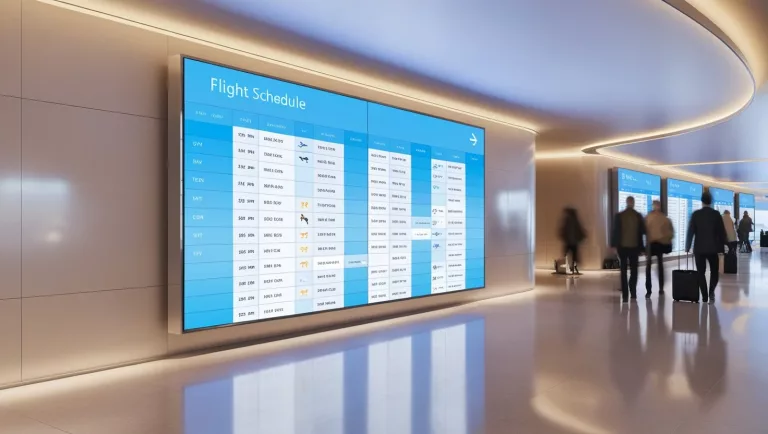
How SMD LED screens can be used for airport information, wayfinding and advertising, and the integration, redundancy, security and installation…
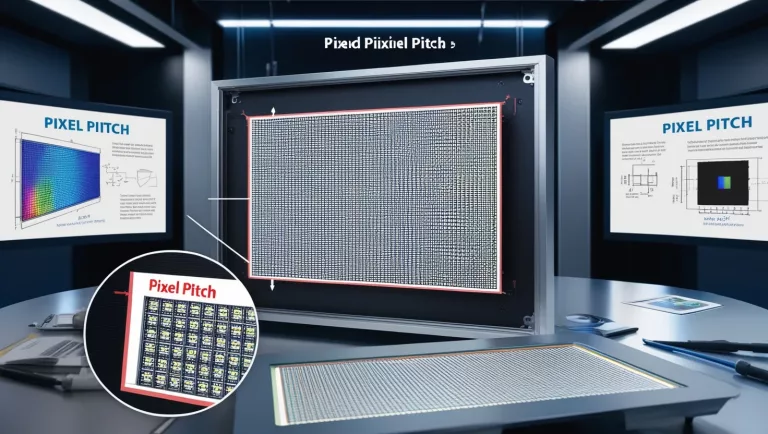
What pixel pitch is, how it relates to viewing distance, content and resolution, how to calculate a screen's native resolution,…
The Role of SMD Screens in Corporate Presentations and Conferences In today’s business world, technology plays an important role in…