 Outdoor SMD Screens
 Indoor SMD Screens
 Flexible SMD Screens

Understanding Pixel Pitch in SMD Screens and Why It Matters
What pixel pitch is, how it relates to viewing distance, content and resolution, how to calculate a screen's native resolution,…


Airports need clear digital signage to communicate with passengers, from flight information to wayfinding and advertising. SMD screens for airports are one option, offering high brightness, seamless large formats and flexible sizes. This article explains where they fit, and what airport projects require beyond the screen itself.
SMD (Surface-Mounted Device) LED screens use LED packages, each usually containing red, green and blue chips, mounted directly on the surface of a circuit board. Compared with older through-hole (DIP) LEDs, SMD allows finer pixel pitches, so screens can show sharper images for closer viewing. LED screens emit their own light, unlike LCD screens, which use a backlight.
Airports are busy environments where passengers need to find information quickly. Signage has to be readable in different lighting conditions, reliable, and easy to update. LED screens are one of several technologies used, alongside LCD displays, which are common for individual flight information screens.
Large LED screens are well suited to big formats: feature walls, large advertising displays and some large flight information boards that need to be read from a distance. For smaller screens viewed up close, such as gate displays, LCD panels are often used. The right choice depends on size, viewing distance and budget.
Airport terminals often have large windows and lots of natural light. LED screens can be set brighter than typical LCDs, which helps readability in bright areas. Brightness should be adjusted to the space so screens are readable without causing glare.
Airport screens often run for long hours. Commercial LED screens are designed for extended operation, but they still need planned maintenance: regular inspections, cleaning, monitoring of power supplies and receiving cards, and replacement of failed modules. Choose front-serviceable designs where rear access is limited, and keep same-batch spare modules on site.
No screen can promise zero downtime. For critical information, airports typically plan redundancy: backup power, redundant signal paths where supported, monitoring and alerts, and backup information displays or announcements if a screen fails. These should be specified in the project requirements.
LED screens are modular, so they can be built to suit large spaces and unusual shapes. The final size follows the module and cabinet grid. Retrofitting into existing terminals usually involves structural checks, power and data cabling, fire safety and building approvals, which should be handled by qualified engineers and electricians and coordinated with the airport authority.
Indoor LED screens can perform well in brightly lit terminals, and outdoor-rated screens can be used in external areas such as forecourts and car parks, where an appropriate IP rating and engineered structure are needed.
Airports run long hours, so energy use matters. Power consumption depends on screen size, brightness, content and operating hours. Ask for typical and maximum power figures, use scheduled dimming where possible, and estimate running costs with the per-unit rate on your own bill.
Flight information displays are driven by the airport’s flight information display system (FIDS) and operational databases, not by the screen itself. The screen supplier provides the display, controller and media players; integration with FIDS, content management and network security is usually the responsibility of the airport’s IT team or a specialist integrator. Remote-managed screens should be on secured networks with restricted access.
For advertisers, large airport screens offer access to travellers who often have time while waiting. Airports may use LED displays to generate advertising revenue, with content approved under the airport’s own policies.
Airports manage a wide range of content, from flight schedules to emergency messages. Content management systems can schedule and update content, but the accuracy of flight and emergency information depends on the data source and the airport’s procedures. Emergency messaging should follow the airport’s official systems and procedures.
Clear visuals and dynamic content can help keep travellers informed. Interactive wayfinding usually uses separate touch kiosks or mobile apps, since large LED walls are not touchscreens.
SMDLED supplies indoor and outdoor LED screens for high-traffic environments in Karachi, Lahore, Islamabad and other cities, including our own BIA range and brands such as Leyard, Unilumin, Absen and LianTronics. For airport projects, we can discuss screen specifications and work with your integrator on the display side.
Visit our Products Page or learn about our BIA brand at biasmd.com.
SMD screens for airports suit large, bright and seamless displays for information, wayfinding and advertising. Success depends on choosing the right technology for each location, planning maintenance and redundancy, and integrating screens properly with airport systems.
Planning an indoor screen? See typical pitches and uses on our indoor SMD screens page, check the specifications of the BIA Indoor SMD Screen Module, or read the key differences between indoor and outdoor screens.
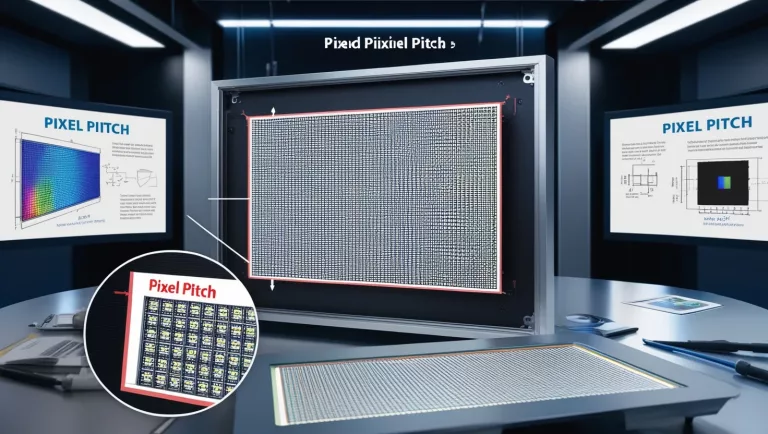
What pixel pitch is, how it relates to viewing distance, content and resolution, how to calculate a screen's native resolution,…
The Role of SMD Screens in Corporate Presentations and Conferences In today’s business world, technology plays an important role in…
How SMD Screens Are Changing the Future of Public Information Displays Public spaces increasingly use digital screens alongside or instead…