 Outdoor SMD Screens
 Indoor SMD Screens
 Flexible SMD Screens

How SMD Screens Are Revolutionizing Commercial Displays
How SMD Screens P10 Are Revolutionizing Commercial Displays Commercial displays have changed significantly in recent years, and SMD LED screens…


Outdoor advertising has long been a way for businesses to reach people in public spaces. Technology has made commercial advertising displays more flexible, and outdoor SMD LED screens are now a common choice. This article explains why they are popular, and what to plan for so they perform well.
Surface-Mounted Device (SMD) LED screens use LED packages, each usually containing red, green and blue chips, mounted on the surface of the module’s circuit board. Compared with older through-hole (DIP) LED screens, SMD allows finer pixel pitches, smoother images and wider viewing angles. DIP is still used for some very bright, coarse-pitch outdoor screens, so the best choice depends on the project.
Outdoor-rated screens are built with sealed modules and cabinets to cope with sun, rain and dust. How long they last depends on component quality, installation, ventilation, power quality and maintenance, so check the IP rating, the manufacturer’s rated LED life and the warranty.
Outdoor SMD LED screens are designed for much higher brightness than indoor screens, so they can be read in daylight. Visibility also depends on the screen’s orientation to the sun, viewing distance and content. Many systems support automatic or scheduled dimming through a light sensor or the control software; confirm this is included.
SMD allows fine pixel pitches, which give sharper images for closer viewing. For distant billboards, a coarser pitch may be enough. Choose the pitch from viewing distance and content.
A screen removes the need to print and install new posters for each campaign and can show several ads on one site. It also adds electricity, content and maintenance costs, so compare the full costs for each location.
Commercial advertising displays can grab attention, support brand recognition and deliver messages in a visually compelling way.
Bright colours and motion can help ads stand out in busy urban environments.
You can switch between images and video, and schedule different campaigns for different times and audiences.
Screens in high-traffic areas can increase exposure. Measure results with promo codes, QR scans or footfall data where possible.
Outdoor screens use cabinets and modules with an Ingress Protection (IP) rating. IP65, for example, means dust-tight and protected against low-pressure water jets, which suits rain; it does not mean the screen can be submerged. Check the rating for both the front and rear of the cabinet, and arrange regular inspections, especially after storms and during the monsoon.
The initial investment in large outdoor screens is higher than printed advertising. Outdoor screens also use significant power because of their brightness. Dimming at night, efficient components and sensible operating hours help. Ask for typical and maximum power figures, estimate the units used, and multiply by the per-unit rate on your own bill.
Outdoor screens can run day and night. At night they should be dimmed to a comfortable level, which saves power, reduces glare for drivers and residents, and may be required by local rules.
Whether for a highway or a city square, outdoor SMD LED screens can be built in many sizes and resolutions. The final size follows the cabinet grid, and structures should be designed by a qualified structural engineer, with electrical work by a qualified electrician and any required permits in place.
Well-known locations such as Times Square in New York and Piccadilly Circus in London show how large LED screens can become landmarks for brand communication. Smaller outdoor screens at malls, shops and roadsides use the same principles at a local scale.
If you are in Pakistan and looking for outdoor SMD LED screens, SMDLED supplies a range of options for businesses in Lahore, Karachi, Islamabad and beyond. You can explore our product range here: SMDLED Products.
Our range includes our own BIA brand (see biasmd.com) as well as screens from brands such as Unilumin, Absen, LianTronics and Leyard. Tell us about your site and we can suggest suitable options.
Consider viewing distance, pixel pitch, brightness, IP rating, screen size, location, power supply, structure and maintenance. The right choice depends on your site and goals.
Outdoor SMD LED screens offer businesses a flexible and highly visible advertising platform. Their value depends on choosing the right specification, installing them safely and planning for running and maintenance costs.
Planning an outdoor screen? Compare weatherproof options on our outdoor SMD screens page, check the specifications of the BIA Outdoor SMD Screen Module, or read which pixel pitch suits an outdoor screen.
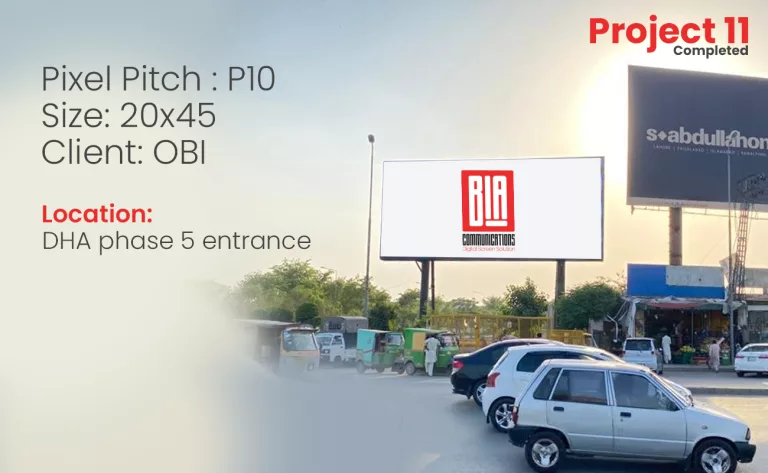
How SMD Screens P10 Are Revolutionizing Commercial Displays Commercial displays have changed significantly in recent years, and SMD LED screens…
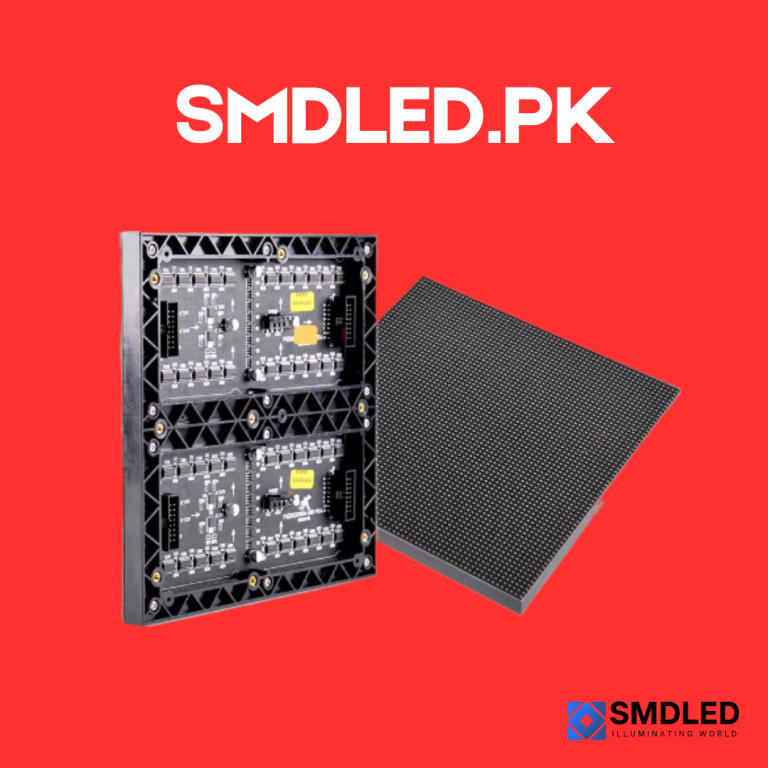
How to Get the Best Deals on High-Quality SMD Screens P5 Digital displays have become important tools for advertising and…
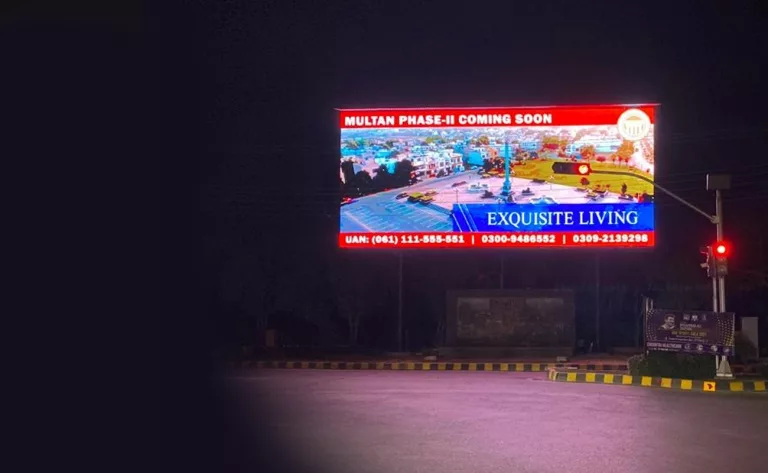
Step-by-Step Guide to Upgrading Your Display with SMD Screens Introduction How you present your brand matters, whether you are in…