 Outdoor SMD Screens
 Indoor SMD Screens
 Flexible SMD Screens

Benefits of Outdoor SMD Screens
Benefits of Outdoor SMD Screens Outdoor SMD screens have become a familiar part of public spaces. These bright, weather-resistant LED…

Digital billboards have changed outdoor advertising by allowing moving images and content that can be updated remotely. In this article, we give an overview of the main technologies behind digital billboards, including SMD LED screens, and the message (MSG) and interactive (MSA / MSA Plus) features sometimes offered with them. Billboard technology keeps developing, so always check current product specifications with your supplier.
Digital billboards are large electronic displays that show images, videos and text. In many cities they now sit alongside traditional static billboards, giving advertisers the option to change content more often and run several messages on one site.
Over the years, digital billboard technology has moved from simple, low-resolution displays to higher-resolution LED screens. Improvements in LED packaging, driver electronics and control systems have made digital billboards more widely available.

SMD stands for Surface-Mounted Device. In LED screens, it refers to a way of packaging LEDs: the red, green and blue LED chips are combined in a small package that is soldered directly onto the surface of the circuit board. SMD is therefore a type of LED display, not a separate technology. Most modern indoor and many outdoor LED screens use SMD packages, which allow fine pixel pitches and wide viewing angles.
Light Emitting Diodes (LEDs) are the light source in almost all modern digital billboards. They can be bright enough to be seen in daylight and can be dimmed at night. LED billboards may use SMD packages or older DIP (through-hole) LEDs; both are LED technologies with different strengths.

Message display (MSG) features are used to show text messages clearly on a digital billboard, for example traffic updates, news headlines or public service announcements. How well text reads depends on the screen’s pixel pitch, size, brightness and viewing distance.
Interactive features (referred to here as MSA) allow audiences to engage with content, for example through a mobile phone, QR code or a connected campaign. These features rely on additional software, connectivity and content planning rather than on the LED screen itself.
When interactive features are added to an SMD LED screen, a billboard can show content such as polls, social media feeds or simple games. Whether this is practical depends on the location, local rules for roadside displays, and the software used.

Used together, LED screens and their control and content software can offer good visibility, the ability to update content remotely, and the option to schedule different messages for different times of day. Energy use depends on the screen model, brightness settings and operating hours.
These technologies have given advertisers new options. Content can include motion and can be changed more easily than printed media, which opens up new possibilities for creative campaigns.

Digital billboards have become popular because they offer moving content and flexible scheduling. Static billboards are still widely used, and many advertisers use both formats depending on budget, location and campaign goals.
SMD and LED are not competing options. LED is the light source; SMD is one way of packaging those LEDs. The more useful comparison for buyers is between SMD and DIP LED packaging, or between different pixel pitches, brightness levels and cabinet designs. The right choice depends on viewing distance, location, brightness needs and budget.

Digital billboards offer many creative options. Advertisers can update content quickly, schedule messages by time of day, and respond to events, subject to the site operator’s processes and any local rules.
Digital billboards use electricity, so sustainability depends on choices such as efficient LED modules, brightness control (dimming at night), sensible operating hours, and the lifespan and recyclability of the hardware.
LED display technology continues to develop, with trends such as finer pixel pitches, improved efficiency and better control software. Check current specifications with suppliers when planning a new billboard.

Modern digital billboards are built on LED technology, most often using SMD LED packages, together with control systems and optional message and interactive features. Choosing the right setup depends on location, viewing distance, brightness, budget and local rules.
Digital billboards allow content to be updated remotely and scheduled, and can show moving images. Results depend on the location, content and campaign.
They are not separate technologies. LED is the light source; SMD (Surface-Mounted Device) is a way of packaging the LEDs on the circuit board. An SMD screen is a type of LED screen.
Digital billboards consume electricity. Their environmental impact can be reduced with efficient modules, automatic dimming, sensible operating hours and long-lasting hardware.
Digital billboards have added new options such as moving content and flexible scheduling. Static billboards remain widely used, and many campaigns use both.
Ongoing developments include finer pixel pitches, improved energy efficiency and more capable control and content software.
Planning an outdoor screen? Compare weatherproof options on our outdoor SMD screens page, check the specifications of the BIA Outdoor SMD Screen Module, or read which pixel pitch suits an outdoor screen.
Contact Us For Free Consultation at 0306-1333384
Powered By BIA Communications
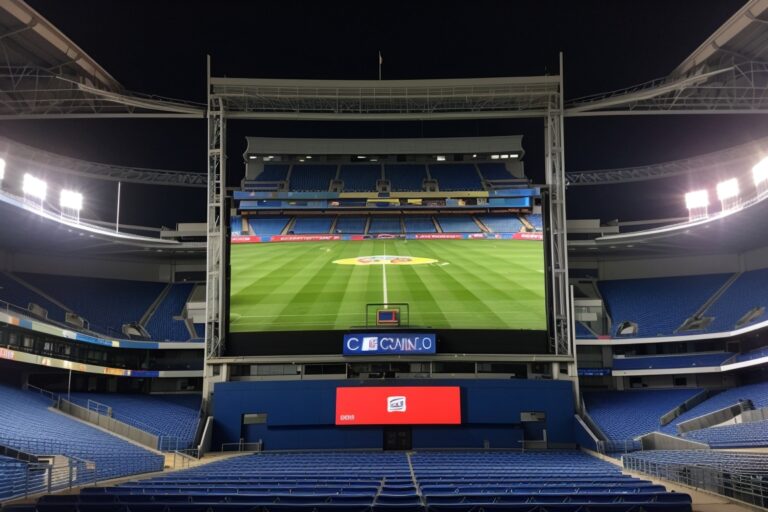
Benefits of Outdoor SMD Screens Outdoor SMD screens have become a familiar part of public spaces. These bright, weather-resistant LED…
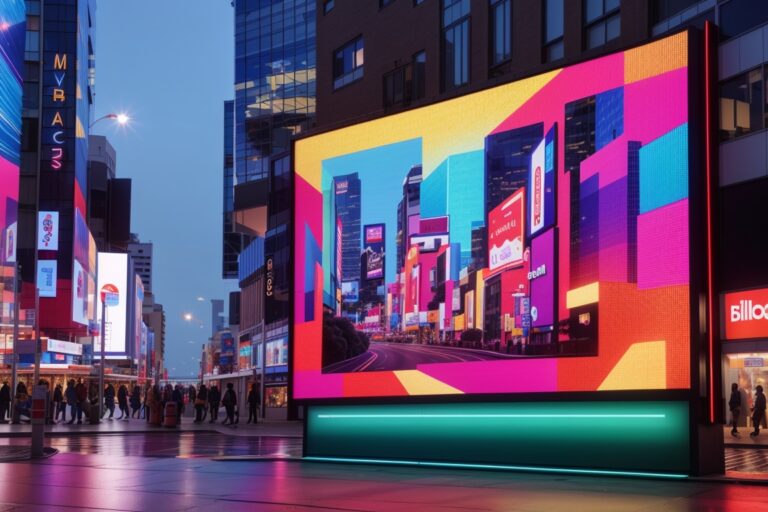
Types of SMD Screens: Types, Pixel Pitch, and Their Diverse Applications SMD (Surface-Mount Device) LED screens are widely used for…
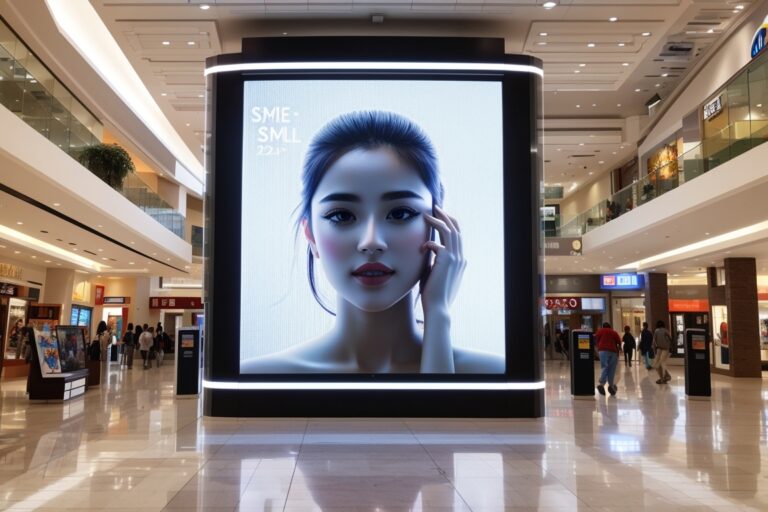
What SMD LED screens are, why marketers use them, and the developments likely to shape their future in marketing, from…