 Outdoor SMD Screens
 Indoor SMD Screens
 Flexible SMD Screens

How to Choose the Right Digital Billboard for Your Business
When choosing a digital billboard for your business, think of it as your brand's stage. Consider location, visibility, screen quality,…

Digital billboards are a familiar part of city landscapes, and with them comes a growing interest in sustainability. This article looks at how material choices, efficient operation and end-of-life planning can reduce a billboard’s environmental impact, and at the engineering and safety limits that apply to any outdoor structure.
A digital billboard has three main parts: the support structure, the LED screen (cabinets, modules and power supplies) and its power source. Each offers different sustainability options:
Some materials promoted as “green,” such as bio-based composites, bamboo or reclaimed wood, are generally not suitable for load-bearing billboard structures or near electrical equipment unless they are specifically engineered, tested and rated for fire, UV, moisture and load. Where used at all, they are usually limited to non-structural decorative elements that meet fire-safety requirements.
| Component | Common Material | Lower-Impact Option |
|---|---|---|
| Frame Structure | Steel or aluminium | Steel or aluminium with recycled content, engineered to the same specification |
| Screen | LED cabinets | Efficient, repairable cabinets with automatic dimming |
| Power Source | Electric grid | Grid plus solar where the site and design allow |
Recycled metals can perform like virgin metals when they meet the same grade and specification. Recycling aluminium and steel generally uses much less energy than producing them from ore, which is one reason these metals are attractive for sustainable construction. Ask suppliers for recycled-content figures from their own documentation rather than relying on general claims.
Whatever the material, structural design must be done by a qualified structural engineer and follow applicable codes for wind load, foundations and corrosion protection. Sustainability should never come at the expense of structural safety.
| Material | Typical Use | Sustainability Note |
|---|---|---|
| Recycled Aluminium | Cabinets, frames | Widely recyclable; check recycled content and grade with the supplier |
| Recycled Steel | Main structures | Widely recyclable; must meet the engineer’s specification |
| Recycled Plastics | Non-structural covers or trims | Diverts waste; check fire and UV ratings for outdoor use |
For a digital billboard, the largest ongoing environmental impact is usually the electricity it uses. Practical ways to reduce it:
| Measure | Key Benefit | Note |
|---|---|---|
| Automatic dimming | Less energy and glare at night | Needs a light sensor or schedule |
| Efficient LED cabinets | Lower power per square metre | Check datasheet figures |
| Repairable modules | Longer service life, less waste | Ask about spare-part availability |
Careful choices of hardware and operation can help businesses run eye-catching displays with a lower environmental footprint.
To make an outdoor display more sustainable without compromising safety:
Lower-impact options for related materials include:
| Common Material | Lower-Impact Option |
|---|---|
| PVC vinyl (for static signage) | Recyclable or PVC-free print materials, where suitable for outdoor use |
| Steel frames | Steel or aluminium with recycled content, engineered to specification |
| Solvent-based coatings | Water-based coatings, where they meet corrosion-protection requirements |
Sustainable materials have a lower environmental impact across production, use and disposal. For digital billboards, the most practical steps are using recyclable metals in properly engineered structures, choosing efficient and repairable screens, and planning for recycling at end of life.
Steel and aluminium, which are widely recyclable and can include recycled content, are the usual structural materials. Bio-based materials such as bamboo or wood are generally not suitable for load-bearing structures unless specifically engineered and rated.
Structural materials do not change a screen’s power use much. Energy savings come from efficient LED hardware, automatic dimming, sensible operating hours and, at suitable sites, properly engineered solar systems.
Not necessarily. Well-designed structures can look good and use recyclable materials. The main constraint is safety: every structure must meet engineering, fire and electrical requirements.
Lower energy use can reduce running costs, and credible sustainability practices can support a brand’s reputation. Make sure any environmental claims are backed by real data.
As the digital landscape grows, sustainable billboard construction means engineered structures using recyclable metals, efficient and repairable screens, careful operation and responsible recycling at end of life. With digital billboard projects, the best results come from combining these choices with safe, professional design and installation.
Choosing a screen? Compare indoor SMD screens and outdoor SMD screens, browse our SMD screen products, or ask for a free quote.

When choosing a digital billboard for your business, think of it as your brand's stage. Consider location, visibility, screen quality,…
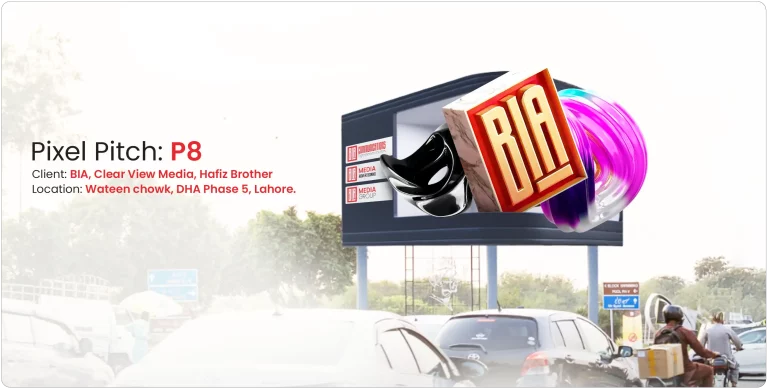
Introduction “3D” billboards have become one of the most talked-about trends in outdoor advertising worldwide. Most are not a separate…
In a sea of static billboards and digital sameness, holographic advertising emerges as the showstopper. By blending tech with intrigue,…