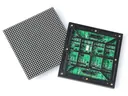
 Outdoor SMD Screens
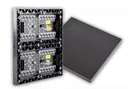 Indoor SMD Screens
 Flexible SMD Screens

Holographic Advertising: Capturing Attention in a Crowded Market
In a sea of static billboards and digital sameness, holographic advertising emerges as the showstopper. By blending tech with intrigue,…
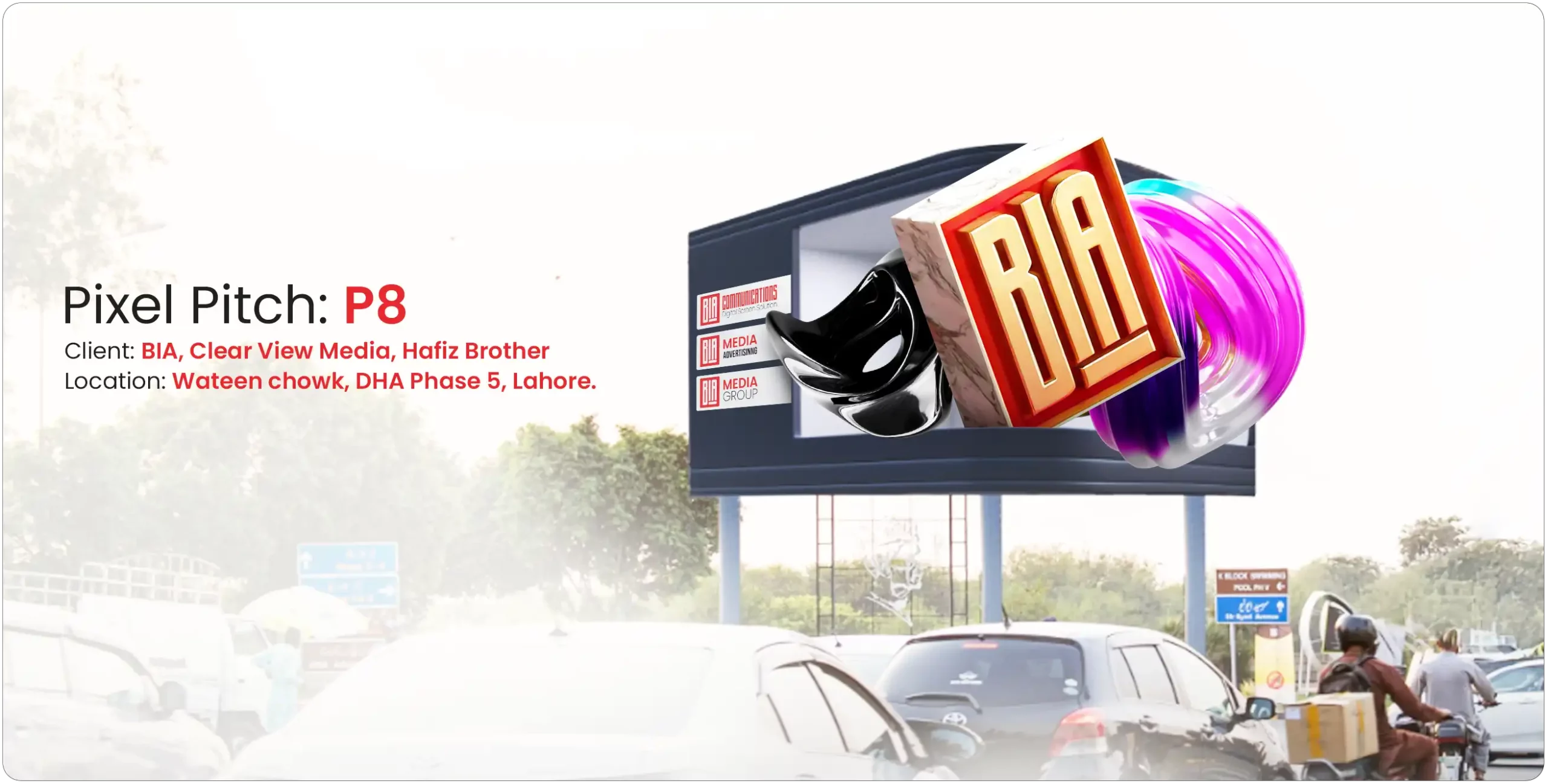
“3D” billboards have become one of the most talked-about trends in outdoor advertising worldwide. Most are not a separate type of screen: they are large LED screens, often wrapped around a building corner, showing specially made “anamorphic” content that appears three-dimensional from a particular viewing position. Ordinary digital billboards show flat images and video; 3D is a content technique that can run on suitable LED screens. This article looks at what 3D advertising screens are, what they could mean for Lahore, and the practical, regulatory and safety questions involved.
LED digital billboards are a familiar sight on major roads and near shopping areas in large Pakistani cities, including Lahore. They show high-definition images and video and can rotate several adverts.
3D or anamorphic content is a way to make some of these screens stand out further. It works best on large, high-resolution screens, often on two faces of a corner, viewed from a predictable position. It is not a form of holography, and it does not require special glasses.
Well-made 3D content can be eye-catching and memorable, and campaigns using it often attract attention on social media. The effect depends on the viewing angle: from the intended position it can look striking, while from other positions it may look distorted.
Because many viewers of roadside screens are drivers, content must not distract them. Avoid rapid flashing or startling effects near junctions, and follow any rules the relevant authorities set for roadside digital screens.
A digital billboard can show several advertisers’ content in rotation and avoids repeated printing. However, it uses electricity, while an unlit printed billboard uses none, so a digital screen is not automatically “greener.” Automatic dimming, efficient hardware and sensible operating hours help reduce energy use.
3D campaigns also need specialised content production, which adds cost compared with ordinary video adverts.
Digital billboards in Lahore can show different content by time of day and location using scheduling software. Some platforms can also use external data such as weather. Any use of cameras or sensors to measure audiences must follow privacy law.

Content management platforms are adding features such as automated scheduling and, in some cases, AI-based tools for planning or creating content. How widely these will be used in Lahore remains to be seen, and any audience analysis must respect privacy rules.
These terms are often mixed up:
In cities that develop smart infrastructure, digital screens could also show public information such as weather or event notices, where authorities choose to use them that way. Any link with traffic or public systems would depend on the relevant authorities’ plans.
Digital billboards that rotate content can let several businesses share a screen. Large 3D campaigns, however, usually suit bigger brands because of their content and screen-time costs. Smaller businesses may get better value from ordinary digital adverts or their own outdoor SMD screens.
Creative, high-quality content can make outdoor advertising feel more like entertainment than interruption. Poorly placed or overly bright screens can have the opposite effect, so considerate placement and brightness matter.
LEDs are efficient light sources, but large outdoor screens still use significant power. Choose efficient hardware, use automatic dimming and plan operating hours to keep energy use down.
Large corner screens need careful structural engineering, qualified electrical installation, and regular maintenance. Specialised 3D content also needs skilled producers.
Outdoor screens need permission from the relevant authorities and must follow rules on placement, brightness and content. Road safety is essential: content should not distract drivers. Where cameras or sensors are used, privacy law applies.
3D content on large LED screens is one of the most eye-catching developments in outdoor advertising. In Lahore, its future will depend on suitable sites, quality content, regulation and responsible use that keeps road users safe.
For most businesses, the practical first step is a well-specified outdoor LED screen with good content; 3D campaigns can then be considered where the site and budget suit them.
Most are large LED screens, often on a building corner, showing anamorphic content designed to look three-dimensional from a particular viewpoint. The 3D effect comes from the content, not from a special screen.
Large 3D campaigns usually suit bigger brands because of content and screen-time costs. Local businesses may get better value from ordinary digital adverts or their own LED screens.
They avoid repeated printing but use electricity, unlike unlit printed billboards. Efficient hardware, automatic dimming and sensible operating hours reduce their energy use.
AI-based tools may help with scheduling and content creation. Any audience analysis must comply with privacy law.
No. Anamorphic 3D is content shown on a normal LED screen. AR overlays digital content on the real world through a phone or headset; a billboard can link to an AR experience, but should never encourage drivers to use phones.
Check out our Facebook page for the latest news.
In a sea of static billboards and digital sameness, holographic advertising emerges as the showstopper. By blending tech with intrigue,…
How to measure digital out-of-home (DOOH) advertising: the difference between ad plays and audience impressions, common data sources and their…
As AI evolves, display advertising enters a new era—where hyper-personalization, predictive analytics, and dynamic creativity redefine how brands connect with…