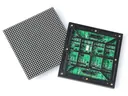
 Outdoor SMD Screens
 Indoor SMD Screens
 Flexible SMD Screens

Indoor SMD Screen Price in Pakistan: P2, P3, & P4 Compared
How pixel pitch affects the cost and clarity of indoor SMD screens in Pakistan. We compare P2, P3 and P4…
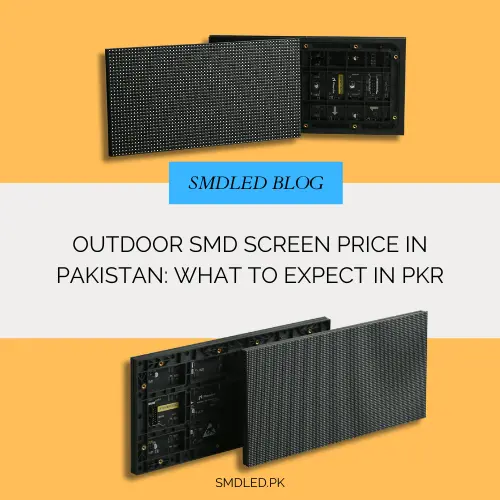
Drive along a major road in Pakistan, such as Canal Road in Lahore, Shahrah-e-Faisal in Karachi or the Expressway in Islamabad, and you will see more and more digital screens. SMD (Surface Mount Device) LED screens are replacing many static boards. For advertisers and building owners they can be valuable, but they are a significant investment.
A frequent question is: What is the Outdoor SMD screen price in Pakistan?
Unlike buying a television, an outdoor LED screen is a construction project. Cost depends on pitch, brightness, weatherproofing, cabinet type, structure, power and installation, and on exchange rates and the time of purchase. This guide explains the factors behind the Outdoor SMD screen price in Pakistan so you can compare quotations properly. We do not list prices, because they change; ask for a current, itemised quotation.
Screen body pricing is usually quoted per square foot or square metre and varies with pitch. As a general pattern, finer pitches cost more per area because they need more LEDs and driver ICs:
| Pixel Pitch | Pixel Density (approx.) | Typical Application | Relative Cost per Area |
|---|---|---|---|
| P3 Outdoor | ~111,000 pixels/m² | Walkways, eye-level signage | Highest |
| P4 Outdoor | ~62,500 pixels/m² | Low-height fascias, plazas | High |
| P5 Outdoor | ~40,000 pixels/m² | Commercial building fronts | Medium-high |
| P6 Outdoor | ~27,800 pixels/m² | Mid-size billboards | Medium |
| P8 Outdoor | ~15,600 pixels/m² | Large hoardings viewed from further away | Lower |
| P10 Outdoor | ~10,000 pixels/m² | Large highway signs | Lowest |
Actual costs depend on the specific product and specification. For a current quotation, please Contact Us.
Why do P10 and P6 differ so much in cost?
P10 (10 mm between pixels) is common for large pole signs viewed from far away, such as from moving cars. With about 10,000 pixels per square metre, it uses fewer LEDs per area, which usually makes it one of the more economical options. Note that a P10 screen’s resolution is limited: a 6 m wide P10 screen has only about 600 pixels across, so keep content simple.
In commercial areas such as Tariq Road or Liberty Market, viewers are often closer, and P10 can look blocky. P6 (about 27,800 pixels per square metre) has nearly three times the density of P10, so it usually costs more per area but gives sharper text and images at closer range.
For screens viewed at close range, such as outside a shop, finer pitches like P3 or P4 give more detail. They usually cost considerably more per area. Whether a screen reaches a given resolution such as 4K depends on its size as well as its pitch.
If a quotation is surprisingly low, check the specification. Brightness, weatherproofing and component quality are major factors.
Outdoor screens need far more brightness than indoor screens to be readable in daylight. How much your site needs depends on orientation, sun exposure and surroundings.
Pakistan’s climate brings monsoon rain, dust and heat.
A common mistake is budgeting only for the screen panels. The structure, cladding, electrical work, installation, controller and any permits can add a substantial amount, and the share varies widely from project to project. Ask for an itemised quotation so you can see each part.
A large outdoor screen is heavy and catches the wind like a sail. The structure must be designed by a qualified structural engineer.
Cladding such as aluminium composite panel (ACP) hides the structure and cables and gives a finished look. It is usually quoted by the frame area.
Large outdoor screens can draw many kilowatts at peak. The electrical installation must be designed by a qualified electrician using the screen’s maximum power figure.
Local conditions also affect the specification and cost.
Two quotations that look similar on paper can use very different components. At SMD LED, we encourage buyers to ask what is inside.
For our own BIA Outdoor SMD Screen Modules, ask us for the datasheet and warranty terms. Very cheap screens with unspecified components carry a higher risk of early dead pixels and colour shifts.
A digital screen can show several advertisers in rotation, unlike a static board that usually shows one. Whether it pays back, and how fast, depends on location, demand, approvals, how many slots are actually sold, sales effort, electricity, maintenance, site rent and financing. Build a business plan with your own realistic figures before investing.
The cost of an outdoor SMD screen depends on pitch, brightness, weatherproofing, cabinet, components, structure, power and installation. Compare complete, itemised quotations for the same specification rather than headline figures.
A well-built, well-maintained outdoor screen, such as one using BIA Outdoor SMD Screen Modules, can support your advertising or brand for years.
See our Products Page for outdoor options, or Contact Us for a quotation that clearly lists what is included.
1. What does a complete 10×20 ft outdoor billboard project include? The screen body (modules, cabinets, power supplies, receiving cards), the controller, the steel structure and foundations, cladding, electrical supply and protection, installation and commissioning, and any approvals. Ask for each item to be listed separately so you can compare quotations.
2. Does the outdoor SMD screen price include electricity costs? No. Running costs are separate. Use the datasheet’s average power per square metre, the screen area and operating hours to estimate monthly units, then apply the per-unit rate on your own bill.
3. Why does a P6 outdoor screen cost more than P10? P6 has a higher pixel density, so it needs more LEDs, driver ICs and more complex PCBs per area. It usually costs more per area, but gives sharper images at closer viewing distances.
4. Can I use an indoor screen outdoors to save money? No. Indoor screens are not designed for water or weather and are not bright enough for daylight. Using one outdoors risks water damage, electrical hazards and poor visibility.
5. How long does an outdoor SMD screen last in Pakistan’s weather? It depends on component quality, cooling, brightness, operating hours and maintenance. Check the manufacturer’s rated lifetime and warranty, and keep up regular maintenance by trained technicians. Poorly built screens are more likely to fail early from heat or corrosion.
Planning an outdoor advertising project? Ask for an itemised quotation for your site through our Contact Us page, or follow us on Facebook for updates.
How pixel pitch affects the cost and clarity of indoor SMD screens in Pakistan. We compare P2, P3 and P4…
What shapes the cost of SMD screens in Pakistan: indoor vs outdoor, pixel pitch, refresh rate, cabinets, components, structure, controllers,…
How to get approval for an outdoor SMD screen in Lahore: find the authority for your site, get owner consent,…