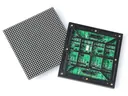
 Outdoor SMD Screens
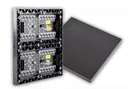 Indoor SMD Screens
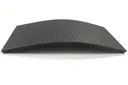 Flexible SMD Screens

10 Creative Ways to Use SMD Screens for a Wedding in Pakistan
LED screens are increasingly used at Pakistani weddings for backdrops, live camera feeds, love-story videos and welcome signage. Here are…

Augmented reality (AR) mirrors are screens with cameras and software that show shoppers a live image of themselves with virtual clothing, accessories or makeup overlaid. They are one way retailers are mixing digital and in-store shopping. This article explains how they work, what they can realistically offer, their limits, and how to introduce them responsibly. It is a general overview, not a description of a specific SMDLED product.
AR mirrors let customers preview products virtually. They can help shoppers try more options quickly, may ease pressure on fitting rooms at busy times, and can suggest related items. How realistic the preview looks depends on the software, lighting and product type; virtual try-on is a guide, not a replacement for trying on in person, especially for fit.
Retailers can also learn from aggregated usage data, such as which products are tried most and how long people interact. Because AR mirrors use cameras, any data collection must be designed with privacy in mind: prefer anonymous, aggregated data, avoid storing images unless the customer agrees, explain clearly what is collected, and follow applicable data protection law. Estimating characteristics such as age from faces is unreliable and raises privacy and fairness concerns, so it is best avoided.
| Aggregated data | Retail insight | Possible action |
|---|---|---|
| Most-tried products | Customer interest | Review stock and displays |
| Interaction time | Engagement with the mirror | Adjust mirror placement |
| Usage by time of day | Busy periods | Plan staffing and promotions |
AR mirrors can make browsing more interactive, letting shoppers experiment with clothing, accessories, makeup and eyewear. Some shoppers may feel more confident in their choices, but effects on sales and returns vary by retailer and product, and should be measured rather than assumed.
Common challenges include integrating with inventory systems, achieving realistic rendering, keeping response times low, and hardware durability in busy stores. Some shoppers may also be wary of cameras or find the technology unfamiliar.
| Challenge | Suggested approach |
|---|---|
| System integration | Work with experienced developers and test thoroughly. |
| Customer hesitation and privacy | Clear notices, simple instructions and no image storage without consent. |
| Hardware reliability | Choose commercial-grade hardware and plan maintenance. |
| Realism | Pilot with real products and lighting before rolling out. |
Start with your customers: what do they want from the experience? Link the mirror to inventory so it shows items in stock, place mirrors near fitting rooms or busy areas, train staff to help, and offer simple tutorials on screen or via QR codes. Run a pilot and measure results such as usage, conversion and returns before expanding.
A: They are screens with cameras and software that show a live image of the shopper with virtual products overlaid, such as clothing, accessories or makeup.
A: They let shoppers preview more options quickly and interactively. They complement, rather than replace, fitting rooms, especially when fit matters.
A: An engaging experience, aggregated insight into product interest and opportunities for related suggestions. Effects on sales and returns vary and should be measured.
A: Upfront investment, integration, maintenance, realistic rendering and privacy concerns about cameras. Clear notices and privacy-friendly design help.
A: Rendering quality and integration with online shopping are likely to improve, which may make AR mirrors more practical for more retailers.
AR mirrors can add an interactive, engaging layer to in-store shopping. They work best when they are realistic, easy to use, linked to inventory, respectful of privacy and measured through a pilot before wider rollout.
SMDLED.PK supplies SMD and LED display screens in Pakistan for retail and other uses.
Choosing a screen? Compare indoor SMD screens and outdoor SMD screens, browse our SMD screen products, or ask for a free quote.

LED screens are increasingly used at Pakistani weddings for backdrops, live camera feeds, love-story videos and welcome signage. Here are…

How to plan SMD video walls for concerts in Pakistan: stage placement, IMAG screens, pixel pitch, camera testing, outdoor weather…

How SMD screens for mosques in Pakistan can display prayer timings, community announcements and sermon relays, with practical guidance on…