 Outdoor SMD Screens
 Indoor SMD Screens
 Flexible SMD Screens

5 Essential Tips for Maintaining Your SMD Screen
5 Essential Tips for Maintaining Your SMD Screen Introduction SMD (Surface Mount Device) LED screens are a significant investment, used…


Outdoor SMD screens offer bright, changeable content for advertising and information. Getting good, long-lasting performance from an outdoor screen starts with choosing the right product and continues with correct installation, sensible settings and regular maintenance. In this article we cover seven key factors.
An SMD (Surface-Mount Device) LED screen is built from modules of small LED packages mounted directly on circuit boards. SMD screens are used indoors and outdoors, from storefront signs to large billboards.
If you plan to buy SMD screens for outdoor use, start with a product that is designed and rated for outdoor conditions. Outdoor sites bring sunlight, heat, dust, rain and long operating hours. Indoor screens are not designed for these conditions and should not be converted or adapted for outdoor service; choose a purpose-built outdoor product instead.
Outdoor screens need higher brightness than indoor screens to be readable in daylight. Use automatic brightness adjustment (by light sensor or schedule) so the screen is bright enough by day and dimmed at night, which also saves energy and reduces glare.
Rain, wind, dust and sun can damage electronics. Choose a screen with a suitable IP (Ingress Protection) rating, typically IP65 at the front, and a rear rating suited to how the screen is installed. Weatherproofing also depends on the installation: cable entries, drainage and the supporting structure should be designed and installed by qualified professionals, following the manufacturer’s instructions.
Sunlight can make colours look washed out. Adjusting brightness, contrast and colour settings in the control software, and designing content with strong contrast, can make content easier to see.
Outdoor screens often run for long hours and can get hot. Use the cooling method the manufacturer specifies for the product, such as heat sinks, fans or ventilation built into the cabinet or structure. Do not cut openings in cabinets or modify enclosures yourself, as this can let in water and void the warranty. Make sure the installation does not block airflow.
Pixel pitch is the distance between pixels. Outdoor viewers are often further away, so larger pitches are common outdoors, balancing clarity and cost. Choose based on your actual viewing distance and screen size.
Outdoor screens run for long hours, so energy use matters. Compare the average and maximum power figures of the models you are considering, and use automatic brightness control and operating schedules to avoid unnecessary power use.
Choose a product rated for your site’s conditions, and plan regular maintenance. Inspections of seals, connectors and power supplies, and any work inside cabinets or at height, should be carried out by trained technicians with the power isolated. Clean the screen only using the method the manufacturer recommends, and keep control software and firmware at versions approved by the supplier.
The seven factors above become easier to apply with a few reference figures. These are general guides; always confirm against the datasheet of the product you are considering.
| Typical outdoor site | Closest viewing distance | Pitch starting point |
|---|---|---|
| Shop front at pavement level | About 4 to 6 m | Around P4 to P5 |
| Building facade above a main road | About 6 to 10 m | Around P6 to P8 |
| Rooftop or highway billboard | 10 m or more | Around P8 to P10 or coarser |
Outdoor screens in Pakistan face long, hot summers, dust storms, monsoon rain and, in coastal cities such as Karachi, salty and humid air. Each one calls for specific attention:
Power problems can damage a screen just as weather can, so the electrical side deserves the same care. Protect the screen with:
A controller such as a NovaStar system with a light sensor can handle brightness and on-off schedules automatically.
Outdoor viewers, especially drivers, see the screen for only a few seconds. Use short messages, large bold text, high contrast and simple images. Avoid fast flashing content near junctions and traffic signals, and prepare content at the screen’s actual pixel resolution so it stays sharp.
Our services include installation, configuration and maintenance support. If you are planning a new outdoor screen or improving an existing one, contact us to discuss your site.
SMDLED.PK supplies SMD screens across Pakistan, including Lahore, Karachi, Islamabad and Faisalabad, from small retail displays to large digital billboards. We can help you choose an outdoor product suited to your site.
Explore our range here. Our product line includes our own brand, BIA, alongside other brands; you can find more about BIA products here.
An outdoor SMD screen can increase your business’s visibility, and good choices at the start make a big difference to how well it performs and how long it lasts. When you buy SMD screens, choose a product rated for outdoor use, have it installed by qualified professionals, set brightness sensibly and plan regular maintenance. SMDLED.PK can help you with product selection and support.
Planning an outdoor screen? Compare weatherproof options on our outdoor SMD screens page, check the specifications of the BIA Outdoor SMD Screen Module, or read which pixel pitch suits an outdoor screen.
5 Essential Tips for Maintaining Your SMD Screen Introduction SMD (Surface Mount Device) LED screens are a significant investment, used…
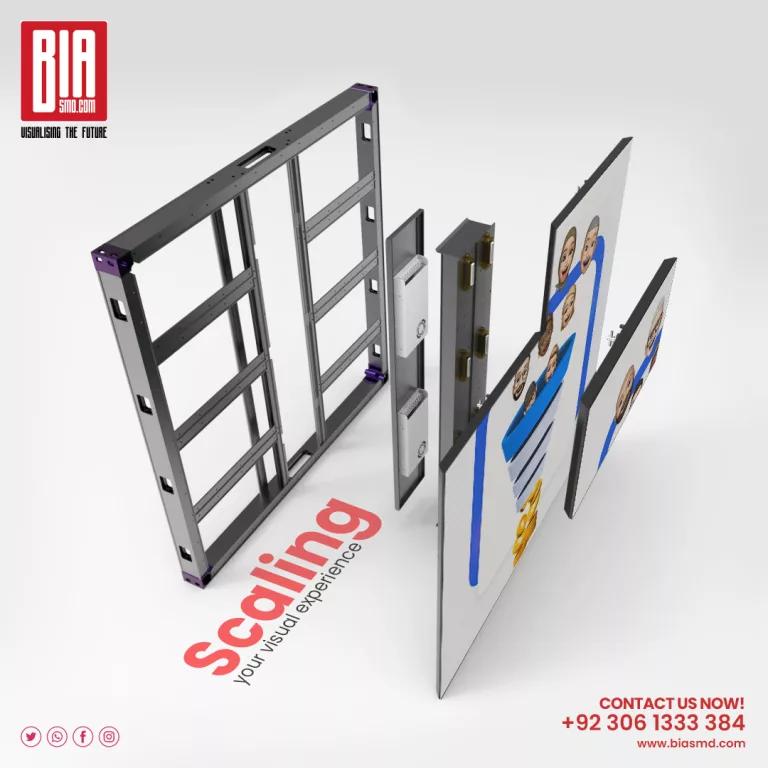
Innovations in SMD Screen Types: Thin and Flexible Displays Introduction SMD (Surface Mount Device) LED screens now come in many…

Introduction Advertising has changed a great deal over the decades, from print ads to digital billboards and online campaigns. Among…