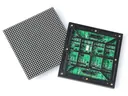
 Outdoor SMD Screens
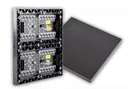 Indoor SMD Screens
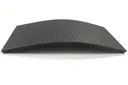 Flexible SMD Screens

Storefront SMD Screens: A Practical Guide for Retailers
Storefront SMD Screens: What Retailers Should Know In a competitive retail environment, catching the attention of potential customers matters. One…


Digital displays are now a common tool for businesses, whether for promotions, information or branding. If you are choosing SMD screens for your business, it helps to know which features matter and how to compare options. This guide gives a practical way to work through the decision.
SMD (Surface Mounted Device) screens are LED screens in which each pixel’s red, green and blue LED chips are packaged together and mounted on the surface of the circuit board. SMD is a type of LED display, not an alternative to it; the other common LED packaging is DIP (through-hole). SMD packaging allows fine pixel pitches and wide viewing angles, which is why it is used in most indoor and many outdoor business LED screens. Brightness, power use and quality still depend on the specific product.
Before comparing products, answer these questions:
With these answers, the features below become much easier to compare.
Pixel pitch (the distance between pixels) and screen size together determine resolution. Choose a pitch that looks sharp at your viewing distance; a finer pitch costs more and may not be needed for distant viewers.
Indoor screens need moderate brightness; outdoor screens need much higher brightness to be readable in daylight. Look for automatic brightness control so the screen is not too bright at night or in dim rooms.
Choose a size that suits the space and viewing distance. Make sure the location gives a clear line of sight and safe access for installation and maintenance.
If people will see the screen from the side, check the horizontal and vertical viewing angles on the datasheet.
Outdoor screens must be designed for outdoor use. Check the IP rating (typically IP65 at the front), the rear protection, and the rated operating temperature range, and compare them with your site’s conditions. Correct installation and regular maintenance also affect how well the screen copes with rain, dust and heat.
Power use varies between products and depends on brightness settings and content. Compare the average and maximum power figures on datasheets, and use automatic brightness control and schedules to reduce consumption.
Because SMD screens are modular, they can be built in many sizes and, with suitable products, shapes such as curves. Check the cabinet sizes available so the screen fits your space well.
Content management features, such as remote updates and scheduling, make it easier to keep content fresh. These depend on the controller or media player used, so check what is included.
Indoor and outdoor SMD screens are different products. Indoor screens prioritise finer pitch and lower brightness; outdoor screens need higher brightness and weather protection. Do not use an indoor screen outdoors.
Compare total cost over the screen’s expected life: purchase, installation, power, maintenance and content. Whether a screen pays for itself depends on how it is used and what it replaces; set clear goals and, where possible, measure results such as enquiries or sales linked to screen promotions.
Check what the warranty covers, how long it lasts, whether spare modules are supplied, and how quickly support is available locally.
SMDLED supplies indoor and outdoor SMD screens across Pakistan, including Lahore, Karachi and Islamabad. Our range includes our own brand, BIA, alongside other brands. Visit our products page, or see the BIA range at BIA SMD.
Have the screen installed by qualified installers, with electrical work by a qualified electrician and structures designed for the screen’s weight and, outdoors, wind loads. Plan regular maintenance, including cleaning as the manufacturer recommends and technical checks by trained technicians.
A well-chosen screen with good content can make your brand more visible and help present promotions, product information or events in an engaging way.
Choosing the right SMD screen starts with your location, viewing distance, content and budget. With those clear, compare pixel pitch, brightness, viewing angle, weather ratings, power use, control features and support to find the screen that fits your business.
Ready to plan your screen? Read our SMD screen price guide, avoid the common installation mistakes, or browse our SMD screen products.
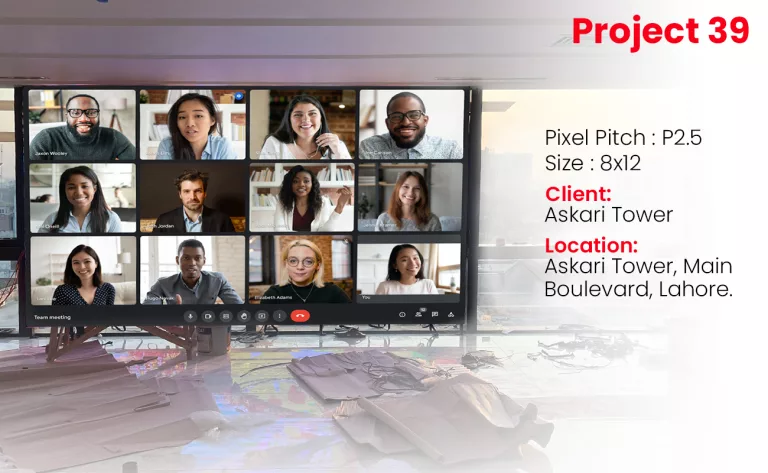
Storefront SMD Screens: What Retailers Should Know In a competitive retail environment, catching the attention of potential customers matters. One…
The Benefits of Using SMD Screens for Events and Concerts Introduction In the event industry, a strong visual experience helps…
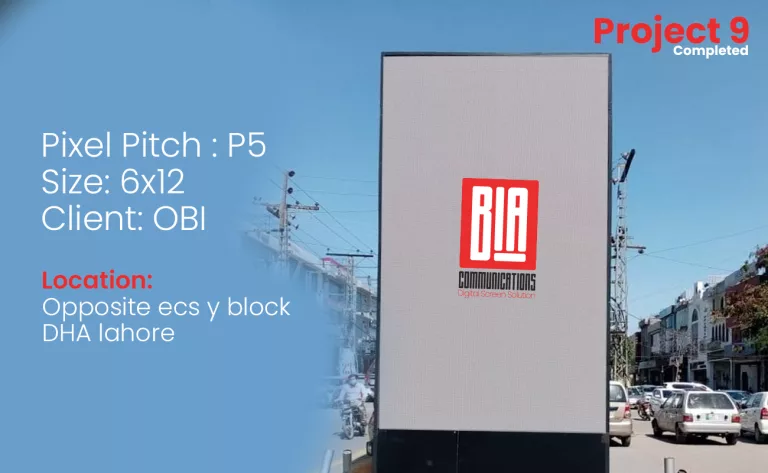
Why outdoor SMD LED screens are popular for advertising: visibility in daylight, flexible content and sizing, and weather-resistant designs, plus…