 Outdoor SMD Screens
 Indoor SMD Screens
 Flexible SMD Screens

The Cost-Effectiveness of SMD Screens for Commercial Advertising
The Cost-Effectiveness of SMD Screens for Commercial Advertising Introduction In today’s competitive business environment, companies are looking for advertising solutions…


In retail, attracting attention and creating an enjoyable shopping experience are important. SMD (Surface Mount Device) LED screens are one tool retailers use to promote products, engage customers and improve the look of their stores and storefronts.
SMD LED screens can deliver sharp, bright images when the pixel pitch suits the viewing distance. Their brightness makes them easy to see in well-lit malls and shop windows, and they can be built in large, seamless sizes. LCD displays also offer high image quality, especially at close range, so the best choice depends on screen size, viewing distance, brightness needs and budget.
Good SMD LED screens produce vivid colours with consistent colour when properly calibrated, which matters for branding. They typically offer wide viewing angles, so content stays visible from different positions in busy retail spaces.
SMD LED screens emit their own light and do not need a separate backlight. Their energy use depends on size, brightness and operating hours; with automatic brightness control and sensible schedules, running costs can be kept reasonable. Compare datasheet power figures when choosing between products and technologies.
LED technology allows creative designs. Flexible and curved LED products can follow architectural features, and transparent LED products are designed for shop windows, letting light and views pass through while showing content. Ask suppliers which products they offer for your design.
SMD LED screens can show changing images and video. Retailers can update displays for new promotions, launches or seasonal themes, keeping content fresh.
LED screens are used for promotional displays, product showcases and advertising: announcing new arrivals, showing product videos and highlighting offers. For example, clothing stores might place a screen near the entrance, while electronics shops show product demonstrations.
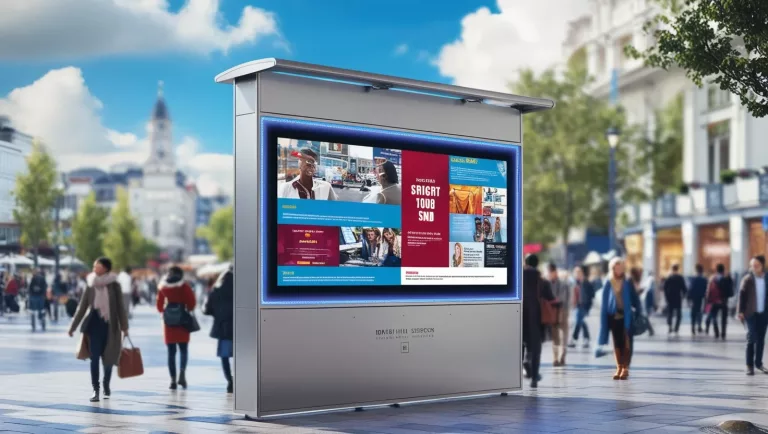
A bright storefront screen can catch the attention of passers-by and support brand messaging, which can help draw people into the store. Results depend on location, content and the store itself. Screens facing a public road should keep content simple and follow any local rules on brightness and content.
LED screens are also used at events and concerts because of their brightness and modular sizes. Event screens are a separate topic; see our articles on event screens for more information.
Where the screen goes decides most of the specification. It helps to think of three typical positions:
For curved walls, columns or unusual display shapes inside a store, flexible SMD screens can follow the surface within the manufacturer’s bend limits.
A simple rule of thumb is that the minimum comfortable viewing distance in metres is roughly equal to the pixel pitch in millimetres. In a small shop where customers stand 2 to 3 metres from the screen, a pitch around P2 to P2.5 is a sensible starting point. A window screen seen from the pavement may suit P3 to P4, and a facade screen seen from across the road can use a coarser pitch. Our pixel pitch guide explains this in more detail.
Indoor screens typically run at around 600 to 1,000 nits. A window screen facing direct sun usually needs considerably more, and fully outdoor screens are generally around 4,500 to 6,500 nits. Automatic brightness control lowers the level in the evening so the screen does not dazzle people walking past.
For outdoor facades, ask for at least an IP65 front rating. Summer heat, dust and monsoon rain are the main challenges in Pakistan, so check the operating temperature range and how the cabinet is ventilated. Window screens also need a gap or airflow between the screen and the glass to avoid overheating.
A screen is only as effective as what it shows. Keep messages short, use large text and strong contrast, and match the content to the viewer: people walking past a window have a few seconds, while customers inside the store can watch longer product videos. Prepare content at the screen’s actual resolution so images stay sharp, and plan a schedule so the content changes regularly.
SMDLED supplies indoor and outdoor SMD LED screens for retailers in cities including Karachi, Lahore, Islamabad and Peshawar, and can help you choose a screen for your store.
Visit our products page to see our range. Our range includes our own brand, BIA, alongside other brands.
When choosing a retail screen, consider the viewing distance, brightness for your location, screen size, content plans and after-sales support.
Planning an indoor screen? See typical pitches and uses on our indoor SMD screens page, check the specifications of the BIA Indoor SMD Screen Module, or read the key differences between indoor and outdoor screens.

The Cost-Effectiveness of SMD Screens for Commercial Advertising Introduction In today’s competitive business environment, companies are looking for advertising solutions…

How to Increase Brand Visibility with SMD Screens In a competitive marketplace, increasing your brand’s visibility helps you stand out…
Why SMD LED screens are widely used for outdoor digital signage: brightness, resolution, weather protection and flexibility, plus the maintenance,…