
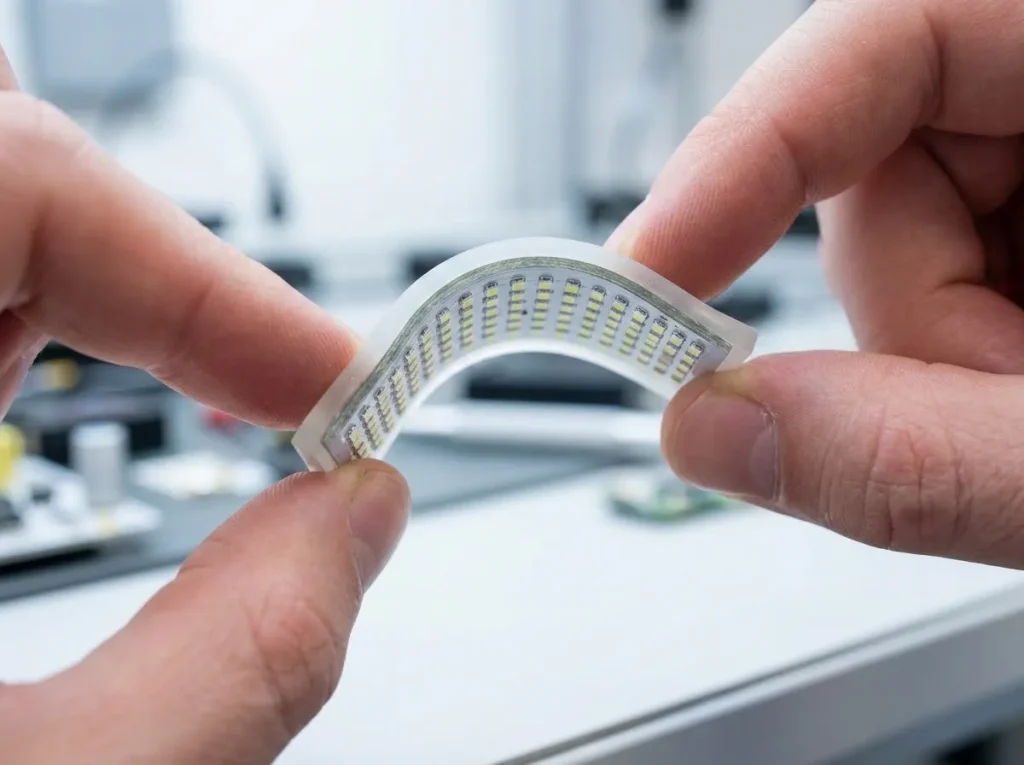
A perfectly straight wall is easy to work with. A rounded pillar, curved entrance, or unusual interior feature is another story. This is where conventional LED cabinets can become restrictive, especially when a business wants the display to follow the architecture rather than cover it with a flat rectangle.
Flexible LED screens offer a different approach. Instead of forcing a display into a fixed shape, bendable modules can be formed around selected architectural features to create a more integrated visual experience. From retail interiors to exhibition spaces, businesses in Pakistan are using this flexibility to turn difficult surfaces into attention-grabbing digital displays.
When the Architecture Becomes Part of the Display
Some spaces naturally call for something more creative than a conventional wall-mounted screen.
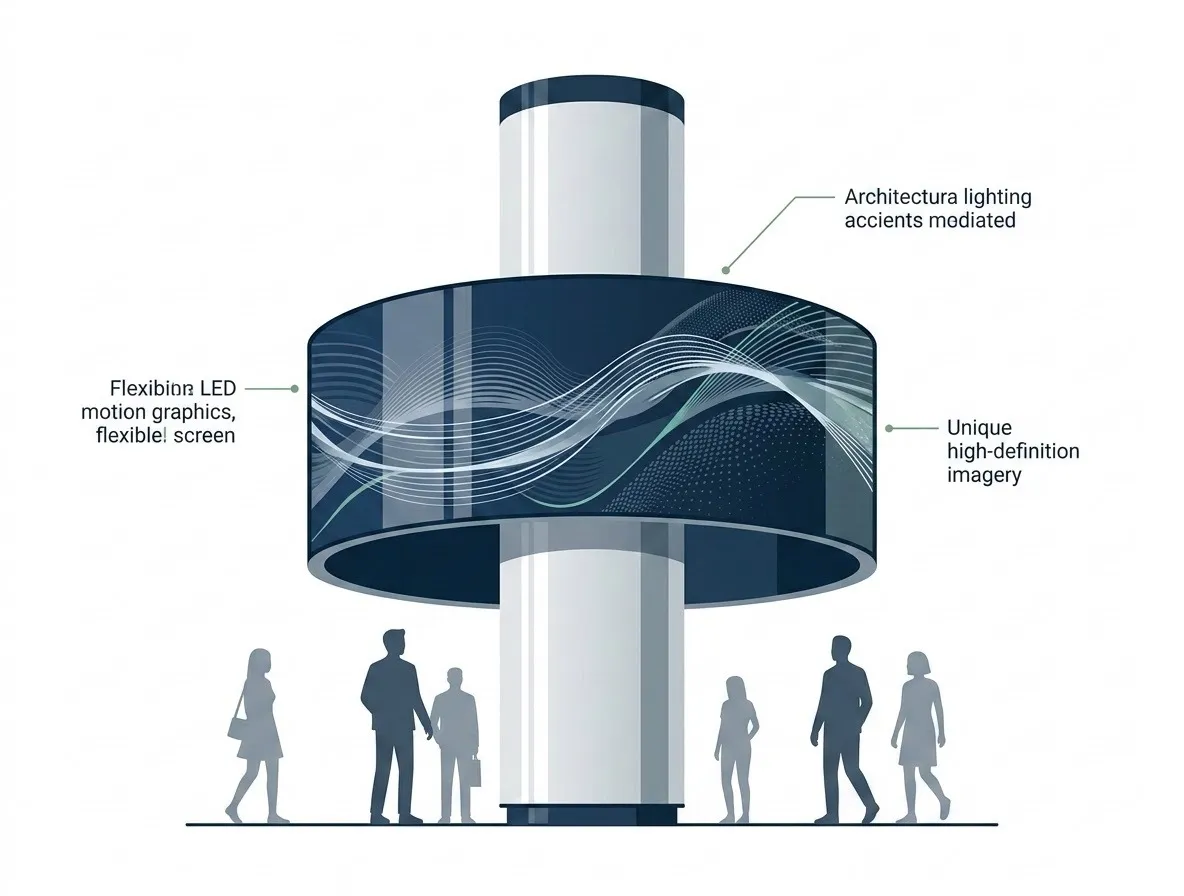
A rounded column can become a 360-degree advertising surface. A curved wall can carry one continuous visual instead of stopping at awkward corners. A uniquely shaped feature wall can become part of a brand’s identity rather than an obstacle to the installation.
This is where flexible LED technology makes a noticeable difference:
- Curved surfaces can carry continuous digital content.
- Cylindrical structures can be wrapped with visual messaging.
- Concave and convex designs can create more immersive viewing experiences.
- Irregular layouts can be incorporated into the overall display concept.
Rather than treating unusual architecture as a limitation, designers can make it part of the screen itself.
What Allows These Displays to Bend?
The flexibility comes from the construction of the modules. Unlike conventional LED cabinets built around rigid structures, flexible LED modules use softer substrates and PCB designs that allow the surface to bend into selected shapes.
Depending on the system and installation method, the modules may also support magnetic front access, making individual sections easier for technicians to remove and service.
The result is a display that can adapt to creative layouts without sacrificing the basic requirements of an LED system, such as brightness, image quality, and reliable content playback.
Four Creative Ways Businesses Can Use Them
The real appeal of flexible LED screens becomes easier to understand when looking at how they change an actual space.
1. Turn Pillars Into Digital Features
Columns are often difficult to use effectively for signage because their shape interrupts a flat screen. A flexible display can follow the curve of a pillar, allowing promotional videos, branding, or motion graphics to move around the structure.
This can give customers a visual experience from more than one direction.
2. Build Curved Retail Displays
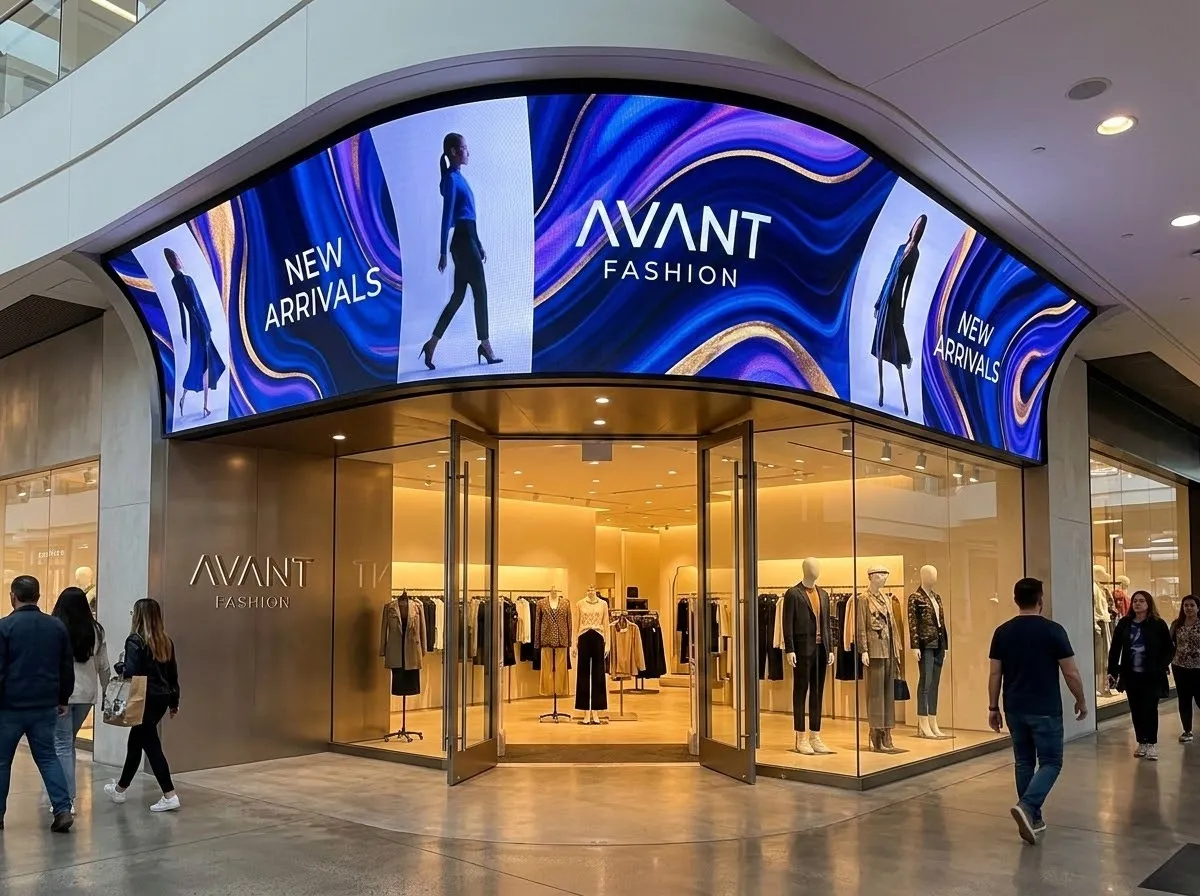
Retailers can use curved screens around entrances, counters, or feature areas to create a stronger focal point. Instead of placing a standard panel beside the architecture, the digital display becomes part of the interior design.
Product videos and promotional graphics can then follow the shape of the installation.
3. Create More Immersive Exhibition Spaces
Exhibition booths compete for attention from every direction. A flat screen may only face one section of the audience, while a curved installation can create a more noticeable visual presence around the booth.
This makes flexible displays useful for brands that want their exhibition setup to feel more distinctive.
4. Give Reception Areas a Modern Visual Identity
Corporate reception spaces often have architectural features that can be enhanced rather than covered. A curved digital wall can display brand animations, welcome messages, corporate visuals, or other content while complementing the existing interior.
The screen becomes part of the environment instead of looking like an add-on.
Planning the Screen Around the Space
A flexible LED installation should not begin with the screen specifications alone. The physical environment needs to be understood first.
Before selecting a system, consider:
Viewing distance: The expected distance between the audience and the screen helps determine an appropriate pixel pitch and image-detail requirements.
Ambient lighting: Indoor lighting conditions affect the brightness required for comfortable viewing and clear content visibility.
Screen dimensions: The available width, height, curvature, and overall surface shape should be measured accurately before fabrication or installation.
Content requirements: Text-heavy content, detailed graphics, branding, and fast-moving videos may have different resolution and refresh-rate requirements.
Service access: The installation should allow technicians to reach modules and other components when maintenance is required.
Getting these details right at the planning stage helps prevent visual gaps, poor viewing results, and unnecessary installation adjustments later.
Flexible Does Not Mean Maintenance-Free
The modules may be designed for creative shapes, but the finished installation still needs routine care. Dust, poor connections, unstable power, and uneven calibration can gradually affect display quality.
Basic maintenance can include gentle surface cleaning, checking module connections, monitoring power components, and periodically reviewing color consistency. Where the system uses front-service access, technicians can also replace or inspect individual modules without dismantling the entire display.
Good maintenance helps preserve the visual consistency that makes a curved installation effective in the first place.
A Display Designed for the Space, Not Against It
The strongest reason to choose a flexible LED screen is not simply that it can bend. It is that the technology gives businesses and designers greater freedom to work with the shape of a space.
A curved pillar can become a branded landmark. An unusual wall can become an immersive visual feature. A retail entrance can carry moving content without being restricted to a rectangular panel.
SMD LED provides flexible digital display solutions for creative commercial installations across Pakistan. From initial planning to installation support, our team can help develop a display concept that works with your space and visual objectives.
Planning a curved or unconventional LED installation? Contact SMD LED to discuss your project requirements.
Frequently Asked Questions
Can flexible LED screens be installed on curved walls?
Yes. Flexible LED modules are designed to accommodate selected curved, concave, and convex installations. The achievable curve depends on the module design and the manufacturer’s specifications.
Are flexible LED screens suitable for retail stores?
Yes. They can be used for curved walls, pillars, feature areas, entrances, and other interior locations where a conventional flat display may not fit the desired design.
Can a flexible LED screen wrap around a pillar?
Flexible modules can be used for cylindrical or curved structures when the system and mounting design are suitable for the required shape.
What should I consider before installing a flexible LED screen?
Start with the site’s dimensions, viewing distance, ambient lighting, desired screen shape, content requirements, and maintenance access. These factors help determine the appropriate display configuration.
Do flexible LED screens require special maintenance?
They require routine LED display maintenance, including cleaning, checking connections, monitoring power components, and maintaining consistent image quality. Service requirements can vary depending on the specific system and installation.