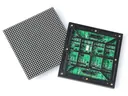
 Outdoor SMD Screens
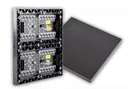 Indoor SMD Screens
 Flexible SMD Screens

How to Maximize Audience Engagement with SMD Video Walls
How to get more audience engagement from an SMD LED video wall: what the technology is, where it fits, how…


In sports arenas and stadiums, visibility and fan engagement matter. Live action, replays and scores all depend on a screen that large crowds can see. SMD screens for stadiums are widely used because they can be built large, bright and modular. Here are five reasons they suit sports venues, and what to plan for.
For large screens for sports events, the goal is for as many spectators as possible to see clearly. SMD screens offer wide viewing angles, and choosing the right size and pixel pitch for the viewing distances helps both near and far seats. Still, no single screen gives every seat an equal view: very distant seats, steep angles or obstructions reduce visibility. Plan screen positions with sightline studies, and consider more than one screen in large venues.
Outdoor stadium models are designed with high brightness to stay readable in daylight, which suits daytime matches. Check the brightness figure on the datasheet against the screen’s orientation to the sun, and use automatic dimming for evening events.
Because they are modular, SMD screens for sports arenas can be built as a main screen, ribbon (perimeter) boards or smaller concourse displays, within the limits of cabinet sizes. They can show live footage, statistics, player profiles and sponsor content, with suitable control and graphics systems.
Outdoor sports arena displays face sun, heat, dust and rain. Outdoor-rated models have IP ratings such as IP65 and designs for heat management, and are built for these conditions within the manufacturer’s stated limits. Long-term reliability still depends on an engineered structure designed for wind loads, correct electrical installation by qualified electricians, ventilation and regular maintenance. In storms or extreme weather, follow the manufacturer’s guidance.
Connected to scoring, graphics and video systems, screens can show live footage, replays, scores and statistics. A refresh rate suited to TV cameras helps the screen look good on broadcasts; test with the cameras in use.
A venue rarely needs just one screen. Each type has a different viewing distance and purpose, so the pitch and brightness should be chosen separately. A practical rule of thumb is that the minimum comfortable viewing distance in metres is roughly equal to the pixel pitch in millimetres.
| Screen type | Typical viewing distance | Main considerations |
|---|---|---|
| Main replay screen | Long, across the ground | Large size, coarser pitch, high brightness, sightlines from most stands |
| Perimeter or ribbon boards | Medium, from the stands and TV cameras | Camera-friendly refresh rate, impact protection, soft edges or padding near the field |
| Scoreboard | Long | Clear, large text and numbers readable in full sun |
| Concourse and hospitality screens | Short | Indoor or sheltered screens with a finer pitch |
For covered arenas, sports halls and hospitality areas, see our indoor SMD screens.
Outdoor stadium screens usually need around 4,500 to 6,500 nits to stay readable in direct sun, while indoor arena screens typically sit around 600 to 1,000 nits. Day-night cricket and football matches move from bright sunlight to floodlights, so automatic brightness control is important to avoid glare for players and spectators after dark.
In Pakistan, outdoor screens also face intense summer heat, dust storms and monsoon rain. Look for at least an IP65 front rating, a stated operating temperature range that suits your city, and cabinets designed for ventilation. Plan for cleaning after dust storms and inspections before and after the monsoon.
A screen that goes dark during a live match is a visible failure, so redundancy is worth planning from the start.
Large stadium screens are heavy and exposed to strong wind. The structure must be designed by a qualified structural engineer, including foundations, wind load and safe access for maintenance. Check what approvals the venue owner, sports body or local authority requires before construction starts.
Good content and operation matter as much as hardware. Assign a trained operator, prepare graphics and sponsor content at the screen’s actual resolution, and run a full test before gates open. After the event, check for damaged modules, especially on perimeter boards that may be hit by balls.
Our services cover planning, installation and support for large-venue screens.
SMDLED supplies SMD screens for large venues in Pakistan, including our own brand, BIA SMD, and other brands. Contact us to discuss a stadium, arena or sports complex project.
SMD screens for stadiums offer large, bright, modular displays for live action and fan engagement. Getting the best results depends on planning sightlines, choosing the right pitch and brightness, and investing in safe installation and maintenance.
Planning an outdoor screen? Compare weatherproof options on our outdoor SMD screens page, check the specifications of the BIA Outdoor SMD Screen Module, or read which pixel pitch suits an outdoor screen.
How to get more audience engagement from an SMD LED video wall: what the technology is, where it fits, how…
The Difference Between SMD and DIP LED Screens: Which Is Better? LED screens are used everywhere from advertising to events.…

Top Features to Consider When Choosing SMD Screens for Your Business Introduction Digital displays are now a common tool for…