 Outdoor SMD Screens
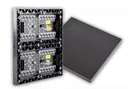 Indoor SMD Screens
 Flexible SMD Screens

5 Common Mistakes to Avoid When Installing an SMD Screen
5 Common Mistakes to Avoid When Installing an SMD Screen Installing an SMD screen can transform a commercial space, whether…
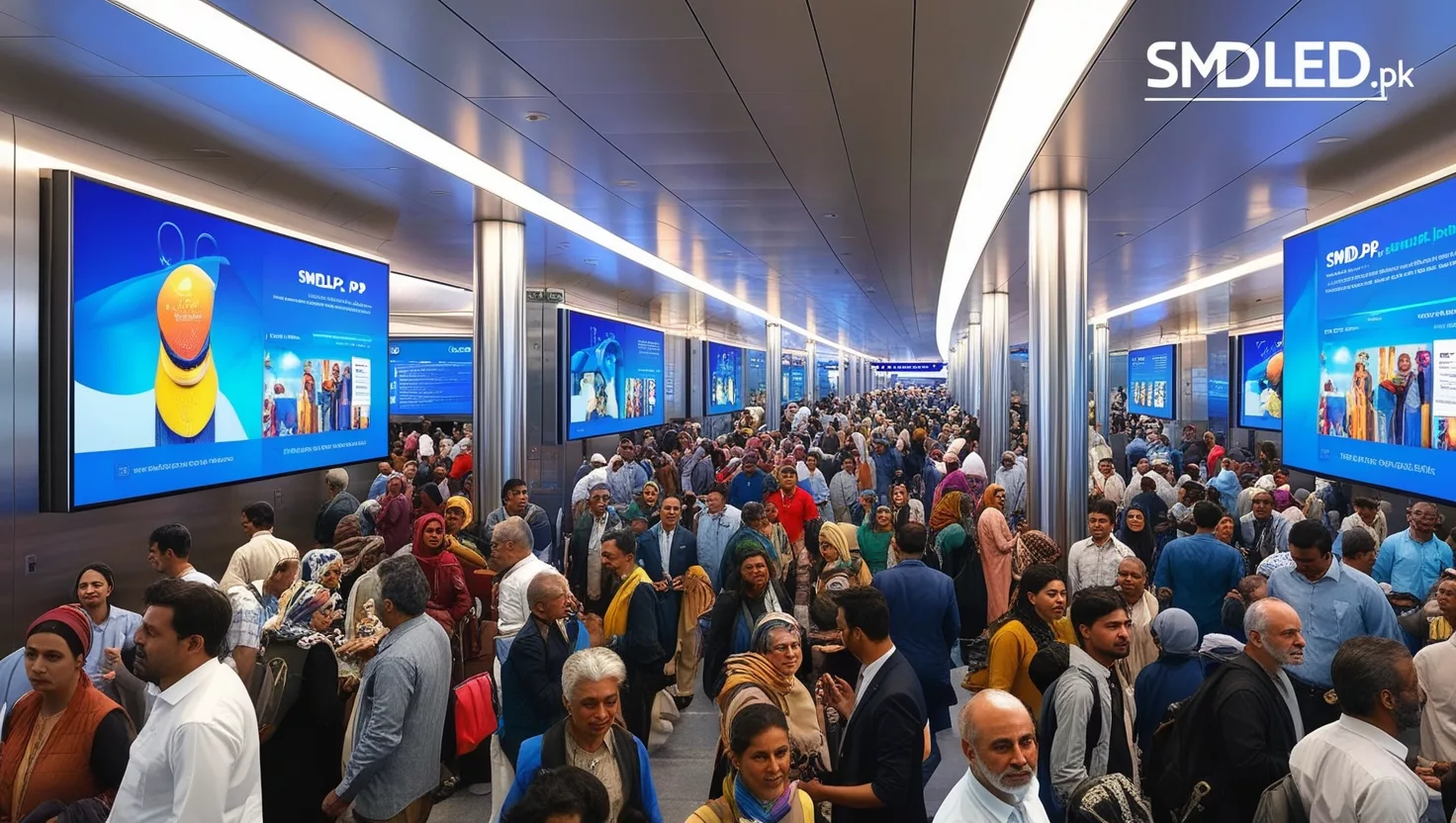
Clear communication matters in transportation hubs, where many travellers rely on current information. SMD screens in transportation hubs such as bus stations, train stations and airports can show schedules, announcements and directions on bright, easily updated displays. In this article we look at how digital displays can support communication in transportation hubs, and what is needed to make them work well. How well a screen keeps passengers informed depends on the information systems and procedures behind it, not only on the screen itself.
In busy hubs, passengers need schedule updates, announcements and directions. Static signs work well for permanent information but cannot show changing schedules. This is where digital displays for bus stations and airports can help, showing content that the operator can update as conditions change.
SMD LED screens can be specified with enough brightness and a suitable pixel pitch to be read from a distance in brightly lit concourses and, with outdoor-rated models, in open-air bus stands. Their content can be updated remotely. If they are connected to the operator’s scheduling or information system, they can show live departures and changes; without that integration, someone must update the content manually.
When information is accurate and easy to read, it can help passengers feel less uncertain about their journey. Screens can show delays, platform or gate changes and upcoming departures, provided the operator keeps the information up to date.
Bus stations can be crowded, and passengers need to find information quickly. Digital displays for bus stations can show schedules, route information and announcements. Because content can be updated remotely, the operator can change signage without replacing printed boards. Accurate information depends on the operator’s systems and staff keeping it current.
In airports, airport digital signage helps keep passengers informed. Flight information displays are normally driven by the airport’s own flight information system, and LED screens can be one of the display types used. Security and emergency messages on any screen are controlled by the airport and the relevant authorities under their own procedures.
In large hubs, finding the right terminal, gate or platform can be difficult. LED screens can show maps and directional signs. Touch-screen wayfinding is a separate kiosk product (usually an LCD touch panel with mapping software), and can be used alongside large LED screens.
Transportation hubs attract many people, and SMD screens can carry advertising alongside passenger information where the operator allows it. Revenue depends on location, footfall, demand and the operator’s arrangements. Passenger information should always take priority over advertising.
Screens can be one of the channels a hub uses for public information during disruption. Emergency and evacuation messages must be planned and controlled by the operator under its emergency procedures, and connected to its alarm or public-address systems only through properly designed, tested integration. Screens should supplement, not replace, the hub’s fire alarm, public-address and emergency signage systems, which must remain compliant on their own.
Digital screens can reduce the need to print and replace signs because content is updated remotely. They also use electricity and need periodic maintenance, such as cleaning, inspection and replacing parts that fail, so running costs should be planned as part of the project.
With a suitable data source and software, screens can show traffic conditions, weather reports and travel advisories, helping passengers plan around disruption. The information is only as current as the data feed behind it.
Accessibility is an important concern in transportation hubs. Visual displays can show text versions of spoken announcements, which helps passengers who are deaf or hard of hearing. Audio announcements come from a separate public-address system, not from LED screens themselves. Clear fonts, good contrast and avoiding fast-scrolling text help readability for everyone.
If you are planning SMD screens in transportation hubs, SMDLED supplies indoor and outdoor SMD screens, including our own BIA brand, to customers in cities across Pakistan, including Karachi, Lahore and Islamabad. We can help you choose screen size, pixel pitch and brightness for your site. Visit our Products Page to explore our offerings, or check out the Manufacturer Page for more details.
SMD screens in transportation hubs can make information clearer and easier to update, from schedules and wayfinding to advertising and public messages. To get these benefits, screens need the right specification, safe installation, integration with the operator’s information systems and regular maintenance.
Planning an outdoor screen? Compare weatherproof options on our outdoor SMD screens page, check the specifications of the BIA Outdoor SMD Screen Module, or read which pixel pitch suits an outdoor screen.
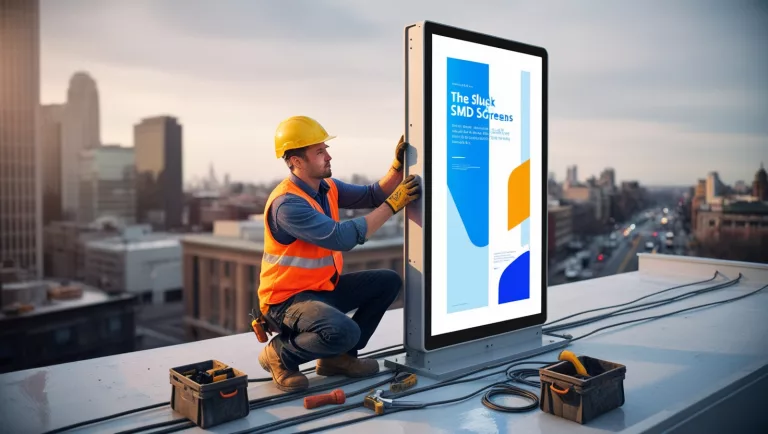
5 Common Mistakes to Avoid When Installing an SMD Screen Installing an SMD screen can transform a commercial space, whether…

A Comprehensive Guide to SMD Screen Installation for Businesses Introduction Digital displays have become an important part of how businesses…

5 Reasons SMD Screens Are Ideal for Sports Arenas and Stadiums Introduction In sports arenas and stadiums, visibility and fan…