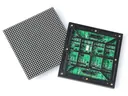
 Outdoor SMD Screens
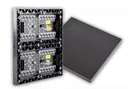 Indoor SMD Screens
 Flexible SMD Screens

10 Creative Ways to Use SMD Screens for a Wedding in Pakistan
LED screens are increasingly used at Pakistani weddings for backdrops, live camera feeds, love-story videos and welcome signage. Here are…

Pakistan loves eating out. From the food streets of Lahore to the cafe districts of Karachi and Islamabad, dining out is a national pastime, and the market is crowded. When several burger joints or karahi restaurants share the same street, how does one convince a hungry passer-by to walk in? A bright, dynamic restaurant SMD screen is one tool that can help.
Food businesses have traditionally relied on printed panaflex boards, neon signs or chalkboards to advertise specials. These are easy to overlook, date quickly and fade in strong sun. People tend to “eat with their eyes”, and a restaurant SMD screen lets a business show appetising video of its food to people inside and outside.
A restaurant SMD screen is more than decoration: used well, it can draw attention, highlight promotions and suggest add-ons while customers wait. If you are looking at SMD screens in Pakistan for a restaurant, this guide explains the main uses and what to plan for.
One of the most practical uses of a restaurant SMD screen is at the ordering counter.
For years, fast-food outlets used illuminated plastic light boxes for menus. Every new item or price change meant printing and installing new sheets. A digital menu board avoids much of this.
At a counter with a digital menu, customers can see short videos of food being prepared, which can make dishes more appealing and help them choose. Featuring higher-margin items or combos prominently may encourage some customers to order them; measure the effect with your own sales data.
Managers can also update the menu quickly. If a dessert sells out, it can be removed from the screen, which helps avoid customer frustration.
Before you can serve customers, you need them to come in. On busy dining streets, exterior signage matters. A bright restaurant SMD screen on the facade can help your restaurant stand out.
A slow-motion video of a burger being assembled or a cold drink being poured is more eye-catching than a static board. Outdoor-rated hardware like the BIA Outdoor SMD Screen Module is designed for daylight visibility and weather exposure, provided it is installed correctly, with the structure checked by a qualified engineer and wiring done by a licensed electrician. Facade signage may need local approval, so check before installing.
A well-placed, well-maintained screen can give a modern impression and encourage more passers-by to consider your restaurant.
Restaurant revenue depends not only on how many customers you serve but also on the average order value. A restaurant SMD screen can help here.
Customers waiting in line often look at the brightest thing in the room. A loop showing fries and a milkshake next to a sandwich can prompt some customers to add them.
Most screen software lets you schedule content by time of day: cold coffees and ice cream on hot afternoons, hot drinks and desserts on winter evenings. This supports your staff’s suggestions without relying on them to remember every promotion.
Restaurants have busy rushes and quiet periods. A restaurant SMD screen lets you promote offers to help fill the quiet hours.
If the dining room is quiet in the late afternoon, you can quickly switch the exterior screen to a “Happy Hour” offer for the next couple of hours. Because content can be updated quickly, you can respond to how the day is going rather than planning weeks ahead.
A screen can also add to the atmosphere inside the dining room.
Families eating out are paying for an experience as well as food. A large indoor screen can act as a digital window: a seafood restaurant might show an underwater scene, while a traditional desi restaurant could show a cosy fireplace in winter.
Where guests sit close to the screen, a fine-pitch display like the BIA Indoor SMD Screen Module helps keep the image sharp. Set brightness to suit the room so the screen adds to the mood rather than dazzling diners.
Cricket is hugely popular in Pakistan, and during the Pakistan Super League (PSL) or international matches many people look for somewhere to watch with friends. A large screen can make a restaurant a popular viewing spot.
Projectors can look washed out in brightly lit rooms, while an LED wall stays bright and colourful. With good placement and a suitable size, most seats can have a clear view.
Matches can attract groups who stay longer and order more. Before showing matches publicly, check that you have the right to do so: commercial screening usually requires permission or a licence from the broadcaster or rights holder. For high-quality playback, options like the BIA HDR 4K LED Video Wall are designed for detailed, smooth video.
In diverse areas or places with many visitors, text-only menus can be confusing for people unfamiliar with local dish names.
A visual menu with clear photos or videos of a shawarma or a karahi helps customers see what they are ordering. This can speed up ordering and reduce mistakes.
Some owners see a restaurant SMD screen only as an expense. It can deliver value over time, but it is worth looking at the full picture.
Traditional menus bring recurring costs for design, printing and installation each time something changes. A digital screen reduces many of these.
A screen has its own costs too: the hardware and installation, electricity (which depends on size, brightness and operating hours), content creation such as food photography and video, software, and maintenance. Updating content is quick, but someone still needs to design it. Whether and when the screen pays for itself depends on your location, traffic, menu and how well you use it, so track sales of promoted items before and after installation.
For fast-food outlets with a drive-thru, a clear menu board helps keep the lane moving. A bright, outdoor-rated restaurant SMD screen at the ordering point stays readable in sunlight.
Some drive-thrus also show each customer’s order on screen for confirmation, which can reduce mistakes. This requires integration with your point-of-sale system and suitable software, not just the screen. While customers wait, the screen can also suggest drinks or sides.
Food businesses sell a brand as well as food. A torn, faded sign sends a poor message, while a clean, well-designed screen suggests a modern, well-run business.
Your screen can show behind-the-scenes clips of chefs preparing fresh ingredients or share genuine customer reviews (with permission). Keeping content fresh and accurate helps the screen support your brand.
Restaurant customers today are used to rich visual content on their phones, and static signage can struggle to compete for their attention.
A restaurant SMD screen is no longer only for large international chains. From a bright facade to a digital menu at the counter, it can change how you present your food and promotions.
Chosen and used well, a screen can cut printing, refresh your dining room and help present your menu at its best. Plan the hardware, content and running costs together, and measure the results to see what works for your restaurant.
A restaurant SMD screen shows appetising images and video of your food and highlights promotions and combos. This can encourage some customers to try featured items or add extras. Results vary, so track sales of promoted items to see the effect.
Yes, if you choose an outdoor-rated model. These are designed with high brightness for daylight and weather-resistant cabinets (for example IP65), and should be installed by qualified professionals and maintained regularly.
Usually not. With content management software, an authorised manager can update menus, remove sold-out items or add new promotional videos from a computer or phone. Someone still needs to prepare the new designs.
It depends on the size, model, brightness and hours of use. Indoor screens usually run at moderate brightness, while outdoor screens need much more. Check the power figures on the specification and have a qualified electrician plan the supply.
Yes, generally. LED screens produce their own light and stay clear in well-lit rooms where projectors can look washed out. For screens facing strong sunlight through windows, choose a model with enough brightness for those conditions.
At SMD LED, we supply commercial digital displays for the food and hospitality industry in Pakistan, including our own BIA range. Whether you need a bright outdoor menu board for a drive-thru or a video wall for your dining room, we can help you choose suitable hardware.
Explore our SMD LED products on the main SMD LED website, or get in touch through our Contact Us page. You can also follow us on Facebook for our latest updates.
LED screens are increasingly used at Pakistani weddings for backdrops, live camera feeds, love-story videos and welcome signage. Here are…
Outdoor screens in Pakistan face heat, dust and monsoon rain, so the IP rating matters. This guide explains what IP65…
No two LEDs are exactly alike, so LED screens can look patchy without calibration. Dot correction measures each pixel and…