 Outdoor SMD Screens
 Indoor SMD Screens
 Flexible SMD Screens

Top Applications for SMD Screens in Shopping Malls
The main ways shopping malls use SMD LED screens: advertising, wayfinding, events, branding, food courts and store displays, plus how…


Outdoor screens are a popular way for businesses to reach large audiences with advertising, event information or public messages. Choosing the right outdoor SMD screen matters for visibility, reliability and running costs. This commercial LED buying guide covers the key factors to consider before you buy.
Outdoor SMD screens are widely used in busy locations because they can be bright enough for daylight, modular in size and updated remotely. They suit billboards, storefronts and event signage. With a pixel pitch matched to the viewing distance, they can show clear images and smooth video.
Outdoor screens face rain, dust, heat and wind. Weatherproof LED screens use sealed modules and cabinets. Look for a suitable IP rating, commonly IP65 on the front (dust-tight and protected against low-pressure water jets) with the rear rated for its exposure.
An IP rating covers dust and water only. It says nothing about heat, wind loads or electrical protection. Heat is handled by the product’s thermal design and operating temperature rating; wind loads by a structure designed by a qualified structural engineer; and surges by protection designed by a qualified electrician.
Outdoor screens must be readable in daylight, so they need much higher brightness (in nits) than indoor screens. How much your site needs depends on orientation, sun exposure, surroundings and content: a screen facing direct sun needs more than one in shade. Automatic brightness adjustment lowers output at night for comfort and lower power use.
Pixel pitch is the distance between the centres of neighbouring pixels. A smaller pitch gives more detail for close viewing; larger pitches suit distant viewing at lower cost. Also check native resolution: screen width (mm) ÷ pitch = pixels across.
Outdoor screens use significant power because of their brightness. Compare datasheet figures for average and maximum power, and choose features such as automatic brightness and scheduling. Efficient components help, but running costs should still be planned.
Match the screen size and pitch to the audience. Distant audiences need larger screens and text; close audiences, such as in pedestrian areas, need finer pitches.
Outdoor screens need regular maintenance: cleaning, checking seals and ventilation, and replacing failed parts. Ask suppliers about maintenance requirements, spare parts and warranty. Lifespan depends on component quality, brightness, heat and maintenance.
Look for a control system that makes it easy to upload and schedule content, ideally remotely. Protect remote access with strong passwords.
Outdoor screens must be securely mounted for wind and weather. Structures should be designed by a qualified structural engineer, electrical work done by a qualified electrician, and the necessary approvals obtained. Work with installers experienced in outdoor screens.
Outdoor screens are a significant investment. Consider the whole cost: screen, structure, installation, electricity, maintenance and, if you plan to sell advertising, realistic income. Compare quality and features, not just the purchase cost.
Modular construction allows many sizes and shapes, from storefront displays to large billboards. Sizes are set by the cabinet dimensions.
An outdoor screen can raise your brand’s visibility with changing, eye-catching content. Keep roadside content simple and readable, and follow local rules.
SMDLED supplies outdoor SMD screens, including our own BIA brand, to customers in Karachi, Lahore, Islamabad and other cities. Explore our Products Page or the Manufacturer Page to learn more.
Before buying an outdoor SMD screen, consider weatherproofing and heat, brightness for your site, pixel pitch and resolution, energy use, maintenance, installation and approvals. Following this commercial LED buying guide will help you choose a screen that suits your location and goals.
Planning an outdoor screen? Compare weatherproof options on our outdoor SMD screens page, check the specifications of the BIA Outdoor SMD Screen Module, or read which pixel pitch suits an outdoor screen.
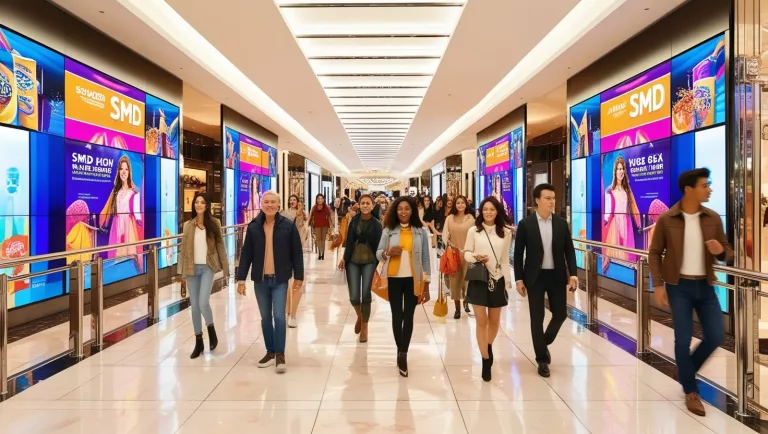
The main ways shopping malls use SMD LED screens: advertising, wayfinding, events, branding, food courts and store displays, plus how…

SMD Screens: A Strong Option for Large-Scale Digital Art Screens As digital art evolves, more artists are using new technologies…
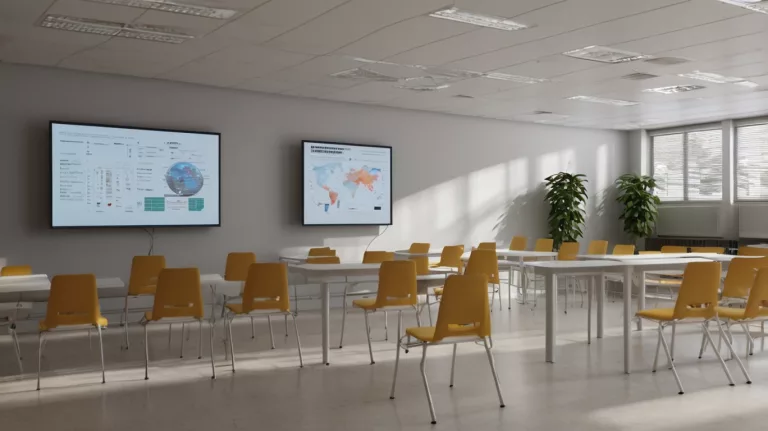
How SMD Screens in Educational Institutions Make a Difference Schools, colleges and universities are using technology to create more engaging…