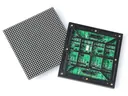
 Outdoor SMD Screens
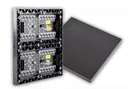 Indoor SMD Screens
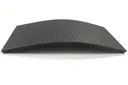 Flexible SMD Screens

The Complete Guide to SMD Screen Modules (320×160 vs. 250×250)
The Complete Guide to SMD Screen Modules (320×160 vs. 250×250) LED display screens are built from smaller units called modules.…

Businesses across Pakistan use large display systems for branding, communication and data visualisation. A common question is whether to choose an SMD LED video wall or an LCD video wall. Both can work well; they differ in seams, brightness, resolution, cost and maintenance, and the better choice depends on the application.
This article compares the two so you can choose based on your environment, content and budget.
A video wall combines multiple panels into one large display. The key difference is how the image is produced:
SMD LED walls are built from modules with surface-mounted LED packages. Their typical strengths are:
Their main limitation is that very fine pitches, needed for close viewing and small text, cost more.
High-resolution LED video wall example: https://smdled.pk/products/bia-hdr-4k-led-video-wall/
LCD video walls use multiple narrow-bezel LCD screens mounted together. They are common in offices, control rooms and retail.
For large, seamless images viewed from a distance, LED usually has the edge. For close-up viewing of dense data on a modest budget, LCD walls are often a strong choice.
Indoor LCD and indoor LED walls can both be bright enough for typical rooms. LED walls can reach much higher brightness, which helps in bright atriums and outdoors. Outdoor and high-brightness LCD displays in weatherproof enclosures do exist for some applications, such as smaller outdoor signs and kiosks, but for large outdoor screens, LED is the usual choice.
Both technologies include commercial-grade products designed for long operating hours. Lifespan depends on the specific model, operating hours, brightness, temperature and maintenance. Check each product’s rated duty cycle, lifetime and warranty rather than assuming one technology always lasts longer.
LED walls: individual modules can usually be replaced, often from the front, and spare modules from the same batch help keep colours consistent.
LCD walls: a failed panel usually means replacing that whole panel; colour matching between new and old panels needs care.
In both cases, keep spares and plan maintenance with your supplier.
LCD video walls: often a lower upfront cost for indoor walls of modest size with high resolution.
LED video walls: usually a higher upfront cost, rising with finer pitches, but they scale to very large, seamless sizes.
Total cost of ownership depends on size, pitch, operating hours, electricity, maintenance and expected lifetime. Compare real quotes for your specific project.
LED walls: built from modules, so many sizes and some curved layouts are possible, within cabinet and structural limits. Expanding later works best with the same model and batch.
LCD walls: sizes come in multiples of the panel dimensions; expansion means adding more of the same panel model.
Indoor: both technologies work. LED is often preferred for large or seamless walls; LCD is often preferred for close-up data walls on a budget.
Outdoor: large outdoor screens are normally LED. Some outdoor LCD displays exist in purpose-built enclosures for smaller applications.
Indoor and outdoor LED options:
https://smdled.pk/products/bia-indoor-smd-screen-module/
https://smdled.pk/products/bia-outdoor-smd-screen-module/
LED video walls are common in shopping malls, news studios, event venues, large lobbies and outdoor advertising.
LCD video walls are common in boardrooms, control rooms with dense data and smaller retail displays.
Power use depends on the size, brightness setting and content for both technologies. LCD backlights draw fairly steady power, while LED power varies more with content and brightness. Compare the typical and maximum power figures for the specific models at the brightness you plan to use.
Choose LED when you need large, seamless images, high brightness, outdoor use or unusual shapes. Choose LCD when you need fine detail at close range on a modest budget and can accept seams. Many organisations use both in different places.
Look for product quality, clear datasheets, qualified installation and after-sales support.
Explore our LED video wall options: https://smdled.pk/
Get a consultation: https://smdled.pk/contact-us/
Follow our updates: https://www.facebook.com/Pksmdled
LED walls are seamless and self-emissive; LCD walls use backlit panels with thin visible seams.
Large outdoor screens are normally LED. Some smaller outdoor LCD displays exist in specialised enclosures.
It depends on the specific products, operating hours and conditions. Compare rated lifetimes and warranties.
Often yes for indoor walls of modest size. Compare full project costs, including maintenance and expected life.
It depends on size, viewing distance, environment and content. LED suits large, bright or outdoor displays; LCD suits close-up, detail-heavy indoor walls.
The right choice affects visibility, running costs and long-term performance. If you are considering an LED video wall, we can help you compare options.
Browse products: https://smdled.pk/products/
Contact us: https://smdled.pk/contact-us/

The Complete Guide to SMD Screen Modules (320×160 vs. 250×250) LED display screens are built from smaller units called modules.…

Brightness Explained: How Many “Nits” Do You Need for an Outdoor Screen in Lahore? When planning an outdoor LED installation,…
What Is a “Refresh Rate” and Why Does It Matter for Your SMD Screen? When choosing an LED display, many…