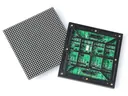
 Outdoor SMD Screens
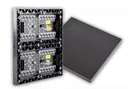 Indoor SMD Screens
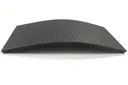 Flexible SMD Screens

How SMD Screens Boost Visual Impact at Trade Shows and Exhibitions
How SMD Screens Boost Visual Impact at Trade Shows and Exhibitions Introduction Trade shows and exhibitions are all about making…
SMD screen technology keeps improving, and businesses choosing commercial screens want to know which SMD screen trends matter. This article looks at the main LED display innovations, what they mean in practice, and how to decide whether they suit your project.
SMD screens (Surface-Mounted Device LED screens) use LED packages containing red, green and blue chips mounted on the surface of each module. Over the years they have gained finer pitches, better colour uniformity, more efficient components and more reliable control systems, which is why they are widely used for indoor and outdoor commercial displays.
Slimmer cabinets and flexible SMD modules allow creative installations in retail stores, offices and venues. Flexible modules can be curved during installation within the manufacturer’s bend limits and are then fixed to a supporting frame; most are designed for indoor use. Ultra-thin cabinets suit spaces where wall depth is limited.
Finer pixel pitches make higher resolutions, such as 4K, possible on smaller walls. 8K LED walls exist but are mainly used in large, premium installations. Higher resolution matters most where viewers stand close or content includes small text; for distant viewing, a coarser pitch can look just as good and cost less.
LED components and power supplies continue to become more efficient, and features like automatic brightness control help reduce consumption. Actual power use still depends on screen size, brightness, content and operating hours, so compare manufacturers’ typical and maximum power figures.
Content management systems increasingly support scheduling by time, weather or data feeds, and some include AI tools for creating or scheduling content. Content can change with time of day, anonymous footfall or local events. Systems that analyse individual viewers raise privacy concerns, so anonymous, context-based approaches are generally preferred. Reports on what played and when help businesses review performance.
Fine pixel pitch (sometimes called narrow or small pitch) LED walls show smooth images at close range with no bezels between panels. They suit corporate lobbies, boardrooms, control rooms and premium retail. COB (chip-on-board) and MicroLED approaches are also used for very fine pitches.
Transparent LED screens use strips of LEDs with gaps between them, so light and views pass through. They suit glass storefronts and showrooms, showing digital content while keeping some visibility of products and interiors. Transparency, brightness and resolution trade off against each other, so check specifications carefully.
Outdoor screens continue to improve in sealing, heat management and brightness. An outdoor-rated screen with a suitable IP rating (for example IP65, which means dust-tight and protected against low-pressure water jets) can work through rain, heat and sun, but reliability still depends on correct installation, ventilation, stable power and regular maintenance.
Interactive displays let customers browse catalogues, place orders or find information. Large LED video walls are not touchscreens themselves, so interactivity usually comes from touch kiosks, touch overlays on smaller displays, motion sensors or QR codes linked to phones. In meeting rooms, interactive flat panels are common for collaboration.
SMDLED supplies SMD screens for businesses in Karachi, Lahore, Islamabad, Multan and elsewhere, including our own BIA brand (Bia SMD) and brands such as Leyard, Unilumin, Absen and LianTronics. Tell us about your space and needs, and we can suggest suitable options.
Expect continued progress in fine-pitch and MicroLED displays, transparent and flexible products, and smarter content tools. Some technologies, such as “holographic” displays, are still mostly specialised. As costs fall, more businesses will be able to use these tools.
SMD screen technology keeps moving forward, with finer pitches, flexible and transparent options, better efficiency and smarter content management. Businesses that match these SMD screen trends to their real needs will get the most from their commercial screens.
Choosing a screen? Start with pixel pitch explained, compare indoor and outdoor screens, or browse our SMD screen products.

How SMD Screens Boost Visual Impact at Trade Shows and Exhibitions Introduction Trade shows and exhibitions are all about making…
How to Choose the Right SMD Screen Size for Your Business Needs Introduction Selecting the right SMD screen size for…
How SMD Screens Enhance Retail and Storefront Displays In retail, attracting attention and creating an enjoyable shopping experience are important.…