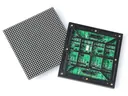
 Outdoor SMD Screens
 Indoor SMD Screens
 Flexible SMD Screens

The Role of Chatbots in Enhancing Digital Signage Interactions
Chatbots can add a question-and-answer layer to digital signage through touch kiosks or a QR code to the visitor's phone.…
Transparent displays let shop windows show moving images while still letting people see through to the products and store behind. For retailers, they offer a way to add digital promotions without blocking the view into the shop. This article explains the main types of transparent display, how they are used in retail windows, their practical limits, and what to plan before installing one.
There are several kinds of transparent display, and they suit different uses:
For most retail windows, transparent LED is the practical option. Its transparency, brightness and pitch vary by model, so check the specifications.
Common uses include:
| Feature | Benefit |
|---|---|
| Transparency | Keeps a view into the store while showing content. |
| Custom sizing (LED) | Can be built to fit the window. |
| Light construction | Less bulky than a conventional screen. |
Transparent displays can turn a window into an eye-catching storefront while keeping products visible. They can show promotions, new arrivals and brand stories that change through the day.
| Feature | Customer Benefit |
|---|---|
| Moving content | Attracts attention from the street |
| Custom design | Content tailored to the season or campaign |
| Transparency | Products remain visible |
Transparent displays need careful planning. There is a trade-off between transparency and image quality: more open designs let more light through but show less detail. In bright daylight, content must be bright enough to compete with sunlight on the glass, while at night brightness should be reduced so it does not dazzle.
Key factors to consider include:
Here is a quick comparison:
| Aspect | Aesthetic Focus | Practical Focus |
|---|---|---|
| Content Design | Clean, minimal designs with dark or empty areas so products show through | Large, legible text |
| Structure | Slim, discreet frames | Secure mounting and service access |
| Brightness | Comfortable at night | High enough for daytime, with automatic dimming |
Illustrative example (not a real installation): a clothing shop with a 3 m wide window might install a transparent LED screen just inside the glass, covering the upper half, leaving mannequins visible below. Content uses bright product images on black backgrounds (black areas appear transparent) and dims automatically after sunset.
Content for transparent displays works differently from normal screens. On transparent LED, black or dark areas appear see-through, so designs with bright elements on dark backgrounds let products show through while the content stands out. Keep text large and short, and design at the screen’s exact pixel resolution.
Approaches to explore:
| Strategy | Potential Impact |
|---|---|
| Seasonal themes | Keeps the window feeling fresh. |
| Bright-on-dark design | Content stands out while products remain visible. |
| Measuring results | Track footfall or sales during campaigns to see what works. |
1. What are transparent displays, and how do they work?
They show images while remaining partly see-through. Transparent LED uses LEDs on thin strips or mesh with gaps; transparent OLED uses self-emitting panels that are partly clear; transparent LCD typically needs a lit box behind it.
2. Why are transparent displays used in retail windows?
They add moving, changeable content without blocking the view into the store, which can make a storefront stand out.
3. What benefits can they bring to retailers?
Eye-catching promotions, quick content changes and a modern look. Effects on footfall or sales vary and should be measured.
4. Are transparent displays sustainable?
They reduce printed signage but use electricity. Efficient models, automatic dimming, sensible schedules and proper recycling at end of life help.
5. What challenges do retailers face?
Upfront cost, balancing transparency with image quality, daylight visibility, safe installation, and creating content designed for a see-through screen.
Transparent displays, especially transparent LED, give retailers a way to bring shop windows to life while keeping products visible. Choosing the right type, planning brightness and installation, and designing content for a see-through screen are the keys to making one work well.
Choosing a screen? Compare indoor SMD screens and outdoor SMD screens, browse our SMD screen products, or ask for a free quote.
Chatbots can add a question-and-answer layer to digital signage through touch kiosks or a QR code to the visitor's phone.…
A hypothetical walkthrough of how a brand might use programmatic advertising, including programmatic digital out-of-home (DOOH) on LED screens, to…
Informed speculation about display marketing in 2030: likely directions for AI, AR, privacy, sustainability and physical screens, and which bold…