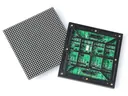
 Outdoor SMD Screens
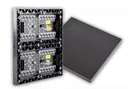 Indoor SMD Screens
 Flexible SMD Screens

How to Calculate the Power Consumption of Your SMD Screen
How to Calculate the Power Consumption of Your SMD Screen SMD screen power consumption is often overlooked in LED display…
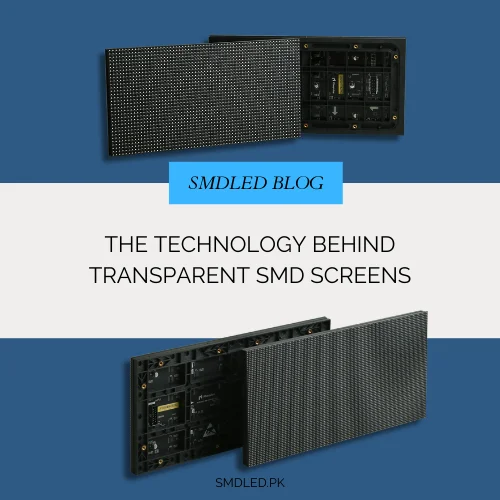
Digital displays are evolving beyond solid panels. Transparent SMD screens are LED displays with open gaps between rows of LEDs, so content appears to float while the view through the screen is partly preserved. They are used in retail windows, architecture and creative installations.
This article explains how transparent SMD screens work, their benefits and limitations, and what to check when choosing one.
Transparent SMD screens are LED displays designed so that light and objects behind the screen remain partly visible. Unlike standard LED screens, they do not block the background completely.
The transparency rate varies widely between models and depends on pixel pitch, LED strip width and design. Manufacturers quote it as a percentage on the datasheet; compare figures from datasheets and, ideally, see a sample in person, because perceived transparency also depends on lighting and viewing distance.
The key is the structure:
• LEDs are mounted on slim strips or bars
• Gaps are left between the strips
• Light passes through the gaps
Instead of a solid circuit board, transparent screens use a skeletal or mesh-like design.
Pixel pitch involves a trade-off:
Smaller pixel pitch
• Higher resolution
• Usually lower transparency
Larger pixel pitch
• Usually higher transparency
• Lower resolution
Transparent screens often have different horizontal and vertical pitches; check both on the datasheet.
Brightness varies widely by model and by whether the screen is designed for indoor, window-facing or outdoor use. Check the datasheet figure. Brightness must be balanced against the scene behind the screen: too bright can wash out the background view, too dim can make content hard to see in daylight.
Installation differs from standard LED displays:
• Lightweight frames
• Mounting behind glass or windows
• Hanging or suspended setups
The open design can reduce weight and wind load compared with a solid screen of the same size, but it does not remove the need for engineering. Any facade, high-rise or suspended installation must be designed and approved by a qualified structural engineer, with any approvals the building owner and relevant authorities require. Electrical work should be done by qualified electricians.
Transparent screens are used where visual impact and architecture meet.
Stores use transparent SMD screens behind glass windows to show adverts while keeping some view into the shop.
Mall atriums can use transparent displays for promotions while keeping an open feel.
Glass facades can carry branding or digital art, subject to engineering and approvals.
Stage designs use transparent displays for layered, immersive visuals.
Transparent screens come in indoor and outdoor versions:
Indoor transparent screens
• Lower brightness
• Finer pitch options
Outdoor transparent screens
• Higher brightness
• Weather-resistant design with an IP rating
• Usually coarser pitch
Transparent screens are a specific product type. Ask us about available transparent models and their datasheets; our standard BIA Outdoor SMD Screen Module and BIA Indoor SMD Screen Module are conventional (non-transparent) modules, shown here for comparison.
Possible benefits include:
• Natural light partly preserved
• Modern appearance
• Lighter construction than solid screens of the same size
• Lower wind load than a solid surface
• Creative advertising possibilities
• Lower contrast than solid screens
• Content can be harder to read against bright or busy backgrounds
• Lower resolution for a given size
• Viewing angles vary by design
• Cost varies by model and specification; compare quotations
They are not suitable for every application.
Traditional LED screens
• Solid image surface
• Higher contrast
• Higher resolution for the same size
Transparent SMD screens
• See-through design
• Design-focused installations
• Some background visibility
The choice depends on your functional and aesthetic goals.
With fewer LEDs per square metre, a transparent screen may use less power than a solid screen of the same area, but this depends on the model and brightness setting. Compare the average and maximum power figures on the datasheets.
Transparent screens suit uses such as:
• Retail store windows
• Commercial buildings
• Showrooms
• Event staging
Consider:
• Installation environment (indoor, behind glass, outdoor)
• Required transparency rate
• Viewing distance and pitch
• Brightness and content type
• Structure, approvals and budget
Explore display solutions, get expert consultation, or follow industry updates on Facebook.
Likely developments include better resolution at similar transparency, improved efficiency, flexible and curved transparent formats, and integration with smart building systems.
LED displays built from LED strips with gaps between them, so the background stays partly visible.
Outdoor-rated models are available, with suitable brightness and IP rating. They still need engineered structures and approvals.
It varies by model and use; check the datasheet and balance brightness with the background.
Costs vary by model, pitch and size. Compare quotations for your specific requirements.
Retail windows, malls, exhibitions and building facades.
Transparent SMD screens open new possibilities for creative, architectural displays. For the best results, plan transparency, brightness, structure and approvals with expert guidance.
Explore our SMD screen solutions, browse products, get expert consultation, or follow updates on Facebook.
How to Calculate the Power Consumption of Your SMD Screen SMD screen power consumption is often overlooked in LED display…
What Is a “Virtual Pixel” in an SMD Screen? When comparing LED display specifications, you may see the term virtual…
SMD vs. LCD Video Walls: The Pros and Cons for Pakistani Businesses Businesses across Pakistan use large display systems for…