 Outdoor SMD Screens
 Indoor SMD Screens
 Flexible SMD Screens

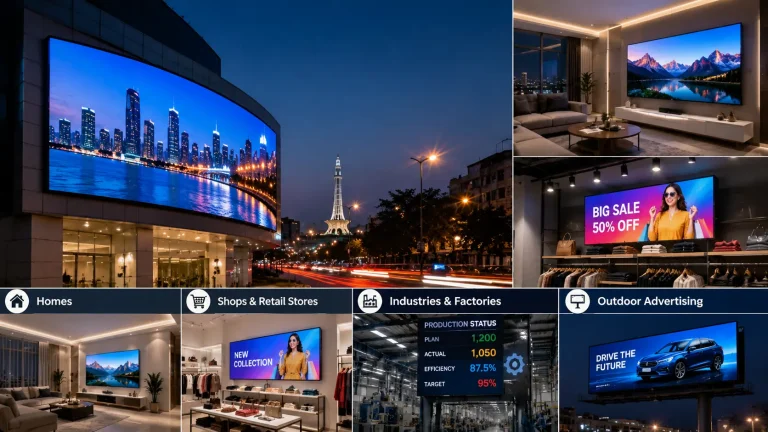
Top Applications of SMD LEDs in Pakistan for Homes, Shops & Industries
“SMD LED” can mean two different things. SMD (Surface-Mount Device) LEDs are small LED packages soldered onto a circuit board.…
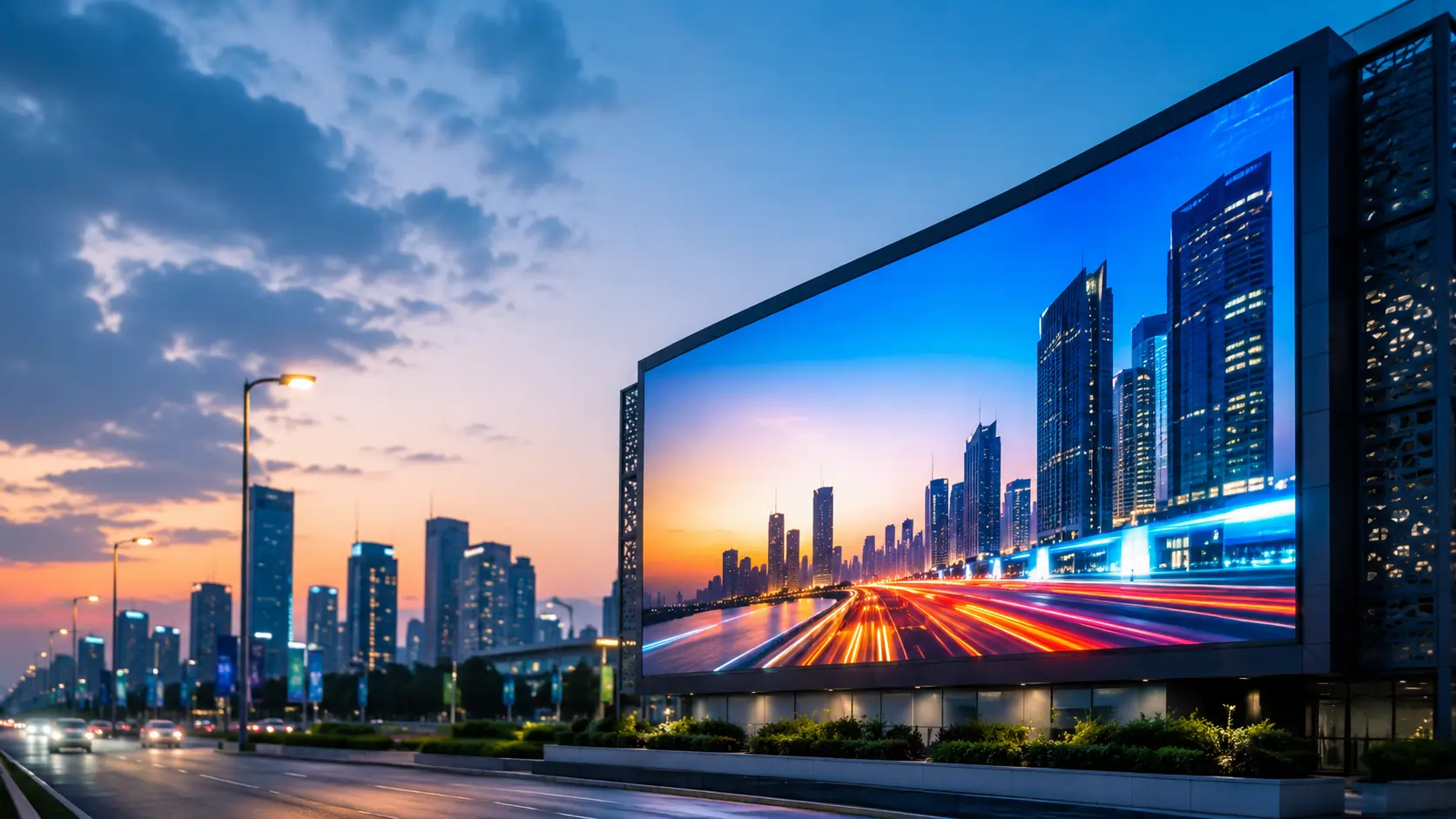
SMD LEDs in Pakistan are widely used in advertising screens, video walls, and digital billboards to deliver bright, high-resolution visuals for indoor and outdoor environments. These systems use surface-mounted chips that combine to create smooth images and videos visible from long distances. Businesses use them for advertising, branding, and event communication across commercial spaces.
The cost of SMD LEDs in Pakistan depends on multiple technical and installation factors. Screen size plays a major role, but pixel pitch and LED quality influence pricing even more. Fine-pitch displays usually cost more because they offer detailed visuals for close-viewing indoor environments like corporate halls, retail stores, and exhibitions.
Outdoor setups require stronger cabinets, weather-rated enclosures, and high-brightness LEDs, which also increases cost. Installation complexity, structure design, and controller systems further affect the final budget. Most businesses choose based on long-term usage instead of initial price, especially for advertising and branding purposes. This guide explains the cost factors only; for current pricing guidance, see our SMD screen price guide for Pakistan or request a written quotation for your exact size, pitch and site.
Indoor LED screens focus on clarity and a smooth viewing experience. These are commonly installed in shopping malls, meeting rooms, showrooms, and reception areas. Since viewers stand closer, indoor displays use finer pixel pitch for sharp visuals.
Outdoor LED screens are designed for visibility under bright ambient light. They are widely used on highways, building facades, and public spaces. A correctly specified outdoor model, with suitable brightness and an appropriate IP rating, is built to keep content readable in sunlight, dust, and changing weather; actual performance depends on the model, installation, and maintenance.
The table below shows typical tendencies, not rules for every model. Always check the datasheet of the specific product you are considering.
| Feature | Indoor LED Screens (typical) | Outdoor LED Screens (typical) |
| Brightness | Lower | Much higher |
| Water/dust protection | Usually not rated for weather | Weather-rated (check the IP rating, e.g. IP65 front) |
| Typical Viewing Distance | Close | Far |
| Common Usage | Shops, malls, offices | Billboards, highways |
| Pixel Pitch | Usually finer | Usually wider |
| Weather Resistance | Limited | Designed for outdoor exposure |
Pixel pitch, brightness, and resolution determine overall display performance. Pixel pitch refers to the distance between the centres of neighbouring pixels; a smaller pitch means more detail at close range. Brightness, measured in nits, controls how well the screen performs in different lighting conditions.
Resolution (the total number of pixels) affects how much image detail the screen can show. Smoothness of motion is a separate matter: it depends mainly on the content frame rate, the controller and receiving cards, and the screen’s refresh rate. Higher resolution screens suit close viewing, while lower resolution is usually adequate for large outdoor billboards seen from far away. Choosing the right combination balances performance and cost for different business needs.
These are rough starting points. The right pitch also depends on content, screen size, budget and the closest point from which people will actually view the screen.
| Viewing Distance | Suggested Pixel Pitch (starting point) |
| 2-4 meters | P2 / P2.5 |
| 4-6 meters | P3 |
| 6-10 meters | P4 / P5 |
| Long Distance Billboards | P6+ |
SMD LEDs in Pakistan are widely used in digital signage systems across retail stores, restaurants, airports, and corporate buildings. These systems replace traditional printed advertising with dynamic content that can be updated quickly. This helps businesses run promotions, display announcements, and improve customer engagement. Event organizers also use LED video walls for concerts, exhibitions, and conferences. These displays can create immersive visual experiences and, with a suitable video processor and source, show live content. SMD LED Solutions supplies display systems for both indoor and outdoor commercial applications, helping businesses achieve stronger visual communication.
Beyond standard indoor and outdoor screens, a few other types are common in Pakistan:
Knowing the main parts helps you read a quotation and plan maintenance.
| Part | What it does |
| LED modules | The panels carrying the SMD LEDs; the pitch is set here |
| Cabinets | Frames holding modules, power supplies and cards; outdoor cabinets are sealed |
| Receiving cards | Take the signal and drive the modules in each cabinet |
| Sending card or controller | Sends content to the screen, for example a NovaStar controller or media player |
| Power supplies | Convert mains power for the modules |
| Structure | The wall frame, rooftop frame or pole that holds the screen |
As a general guide, indoor screens typically run at around 600–1,000 nits, while outdoor screens usually need around 4,500–6,500 nits to stay readable in direct sun. Automatic brightness control lowers the level at night, which reduces glare and power use.
Outdoor screens should have at least an IP65 front rating. Summer heat, dust and monsoon rain are the main stresses, so check the operating temperature range, ventilation design and sealing of cables and connectors. A simple pitch rule of thumb also helps: the minimum comfortable viewing distance in metres is roughly equal to the pixel pitch in millimetres.
Our services cover site surveys, installation and after-sales support. To discuss your project, contact us.
“SMD LED” can mean two different things. SMD (Surface-Mount Device) LEDs are small LED packages soldered onto a circuit board.…
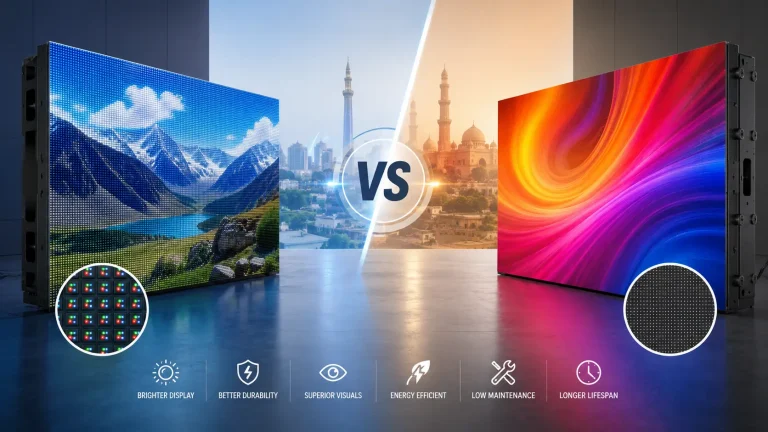
“SMD” and “COB” appear in two different markets: LED lighting (lamps, downlights, strips) and direct-view LED display screens. The terms…
“SMD LEDs” can mean individual LED components (used in lighting and electronics) or finished LED display screens built from them.…