
Common LED Screen Faults and How to Diagnose Them
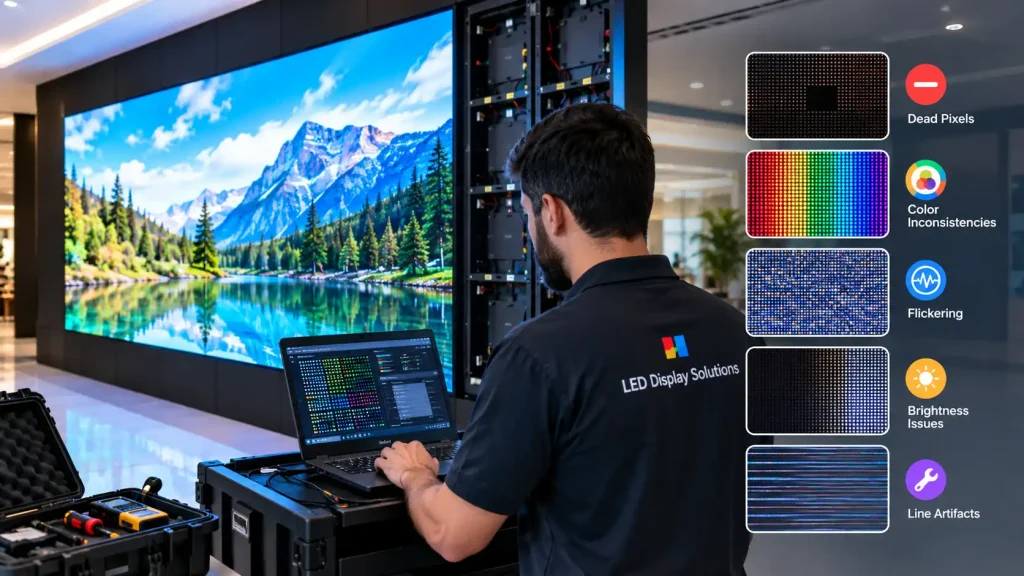
A black rectangle in the middle of your screen looks like a disaster. Most of the time, it is a loose cable or one failed power supply, and it takes 20 minutes to fix. The trick is knowing where to look. LED screens pass power and data along a chain, and every fault has a […]
What to Ask Before Renting an LED Wall
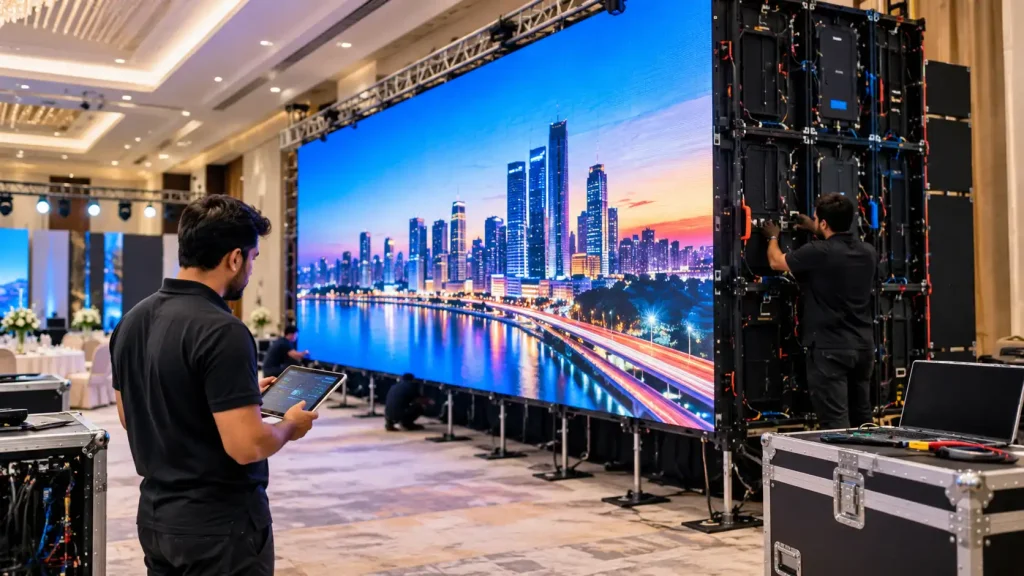
Two LED wall rental quotes can differ by 40 percent for what looks like the same screen. Usually, they are not the same screen. One includes a generator, spare modules, an operator for the full event and a video processor. The other includes a screen, delivered. You only discover the difference at 7 pm, when […]
Screen Size and Viewing Distance: Getting It Right
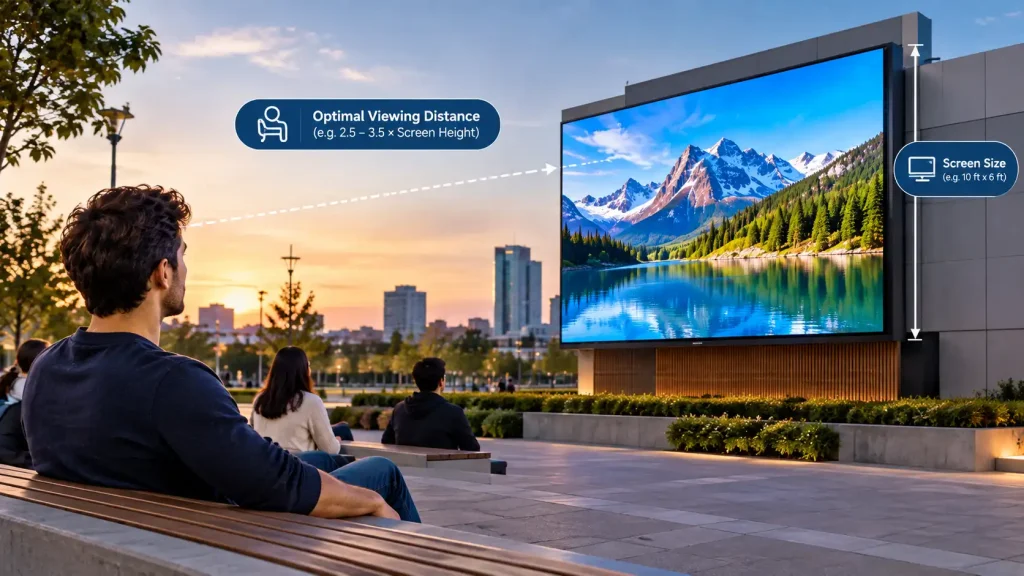
A screen that is too small gets ignored. A screen with too coarse a pitch looks like a mosaic to the front row. A screen that is too fine for its audience burns budget on detail nobody can see. All three mistakes come from skipping one step: measuring where your viewers actually stand. This guide […]
LED Screen Power Consumption and Running Costs in Pakistan
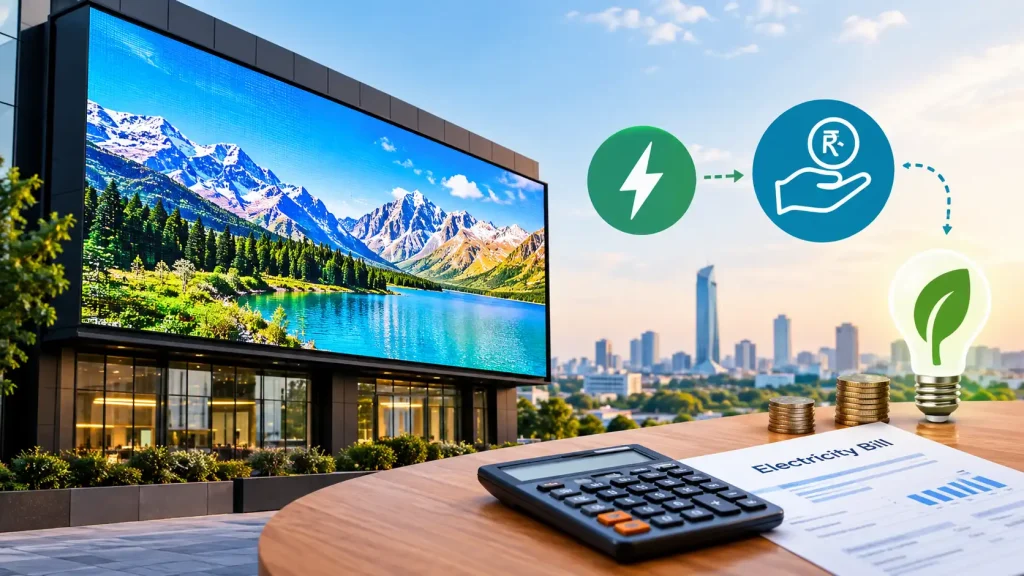
Two numbers appear on every LED screen spec sheet: maximum power and average power. Most buyers in Pakistan size their budget on the wrong one. Maximum power tells your electrician what cable and breaker to fit. Average power tells your accountant what the monthly bill will be. Mix them up and you either overpay for […]
IP65 and Weatherproofing: What Pakistani Climate Demands
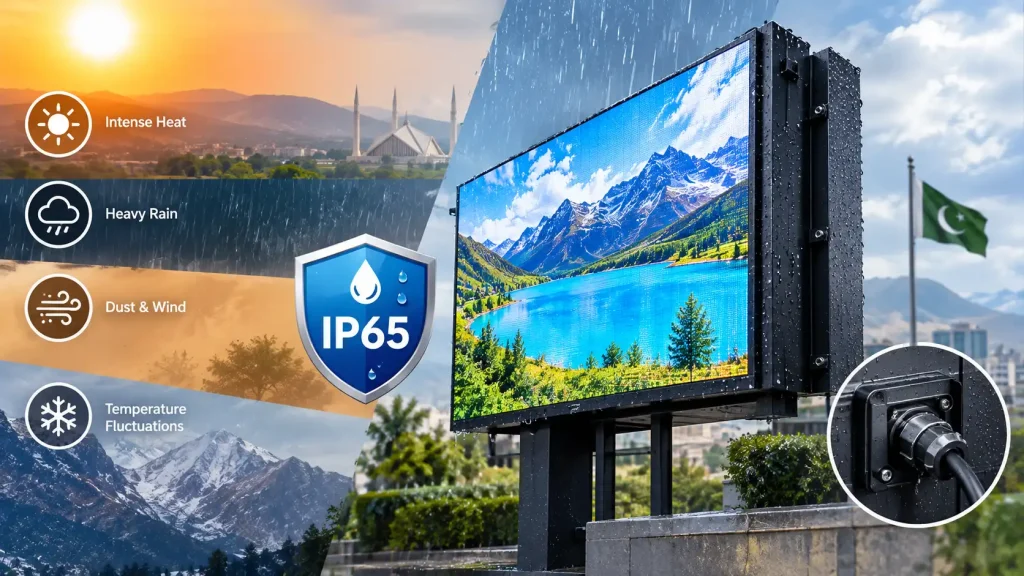
“IP65” appears on almost every outdoor LED screen quote in Pakistan. It sounds like a guarantee. It is not. IP65 tells you the screen passed a dust test and a water-jet test in a lab. It says nothing about 50°C cabinet heat in Jacobabad, salt corrosion on a Clifton seafront, or a cable gland left […]
Outdoor vs Indoor LED Screens: Brightness, IP Rating and Cost
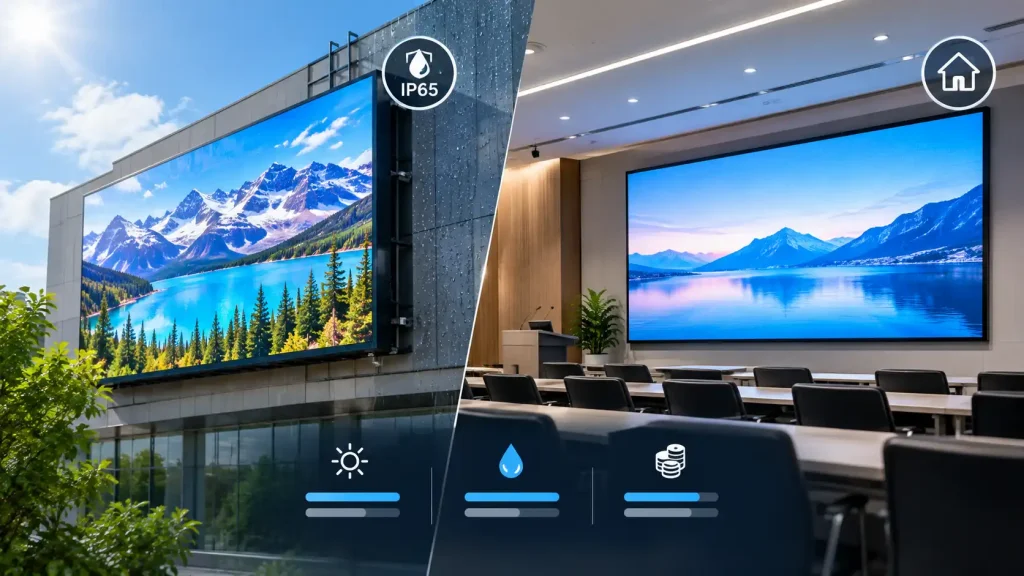
An indoor LED screen and an outdoor LED screen can look identical in a showroom. Put them both on a Lahore shop front at 2 pm in June, and one becomes a dark grey rectangle within minutes. The other stays readable from across the road. The difference comes down to three numbers: brightness in nits, […]
Digital Billboard Cost in Pakistan: A Realistic Breakdown
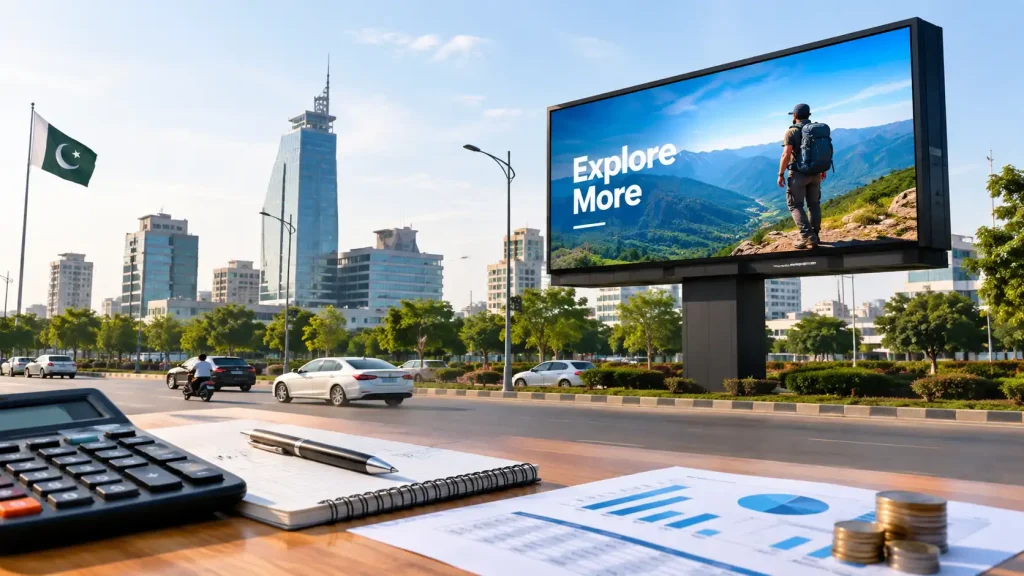
Most quotes you receive for a digital billboard cost in Pakistan show one number: price per square foot of screen. That number is real, but it is only 70 to 85 percent of what you will actually spend before the first ad goes live. The rest hides in steel, permits, power backup and the running […]
How SMD Video Walls Improve Event Presentation Quality and Audience Attention
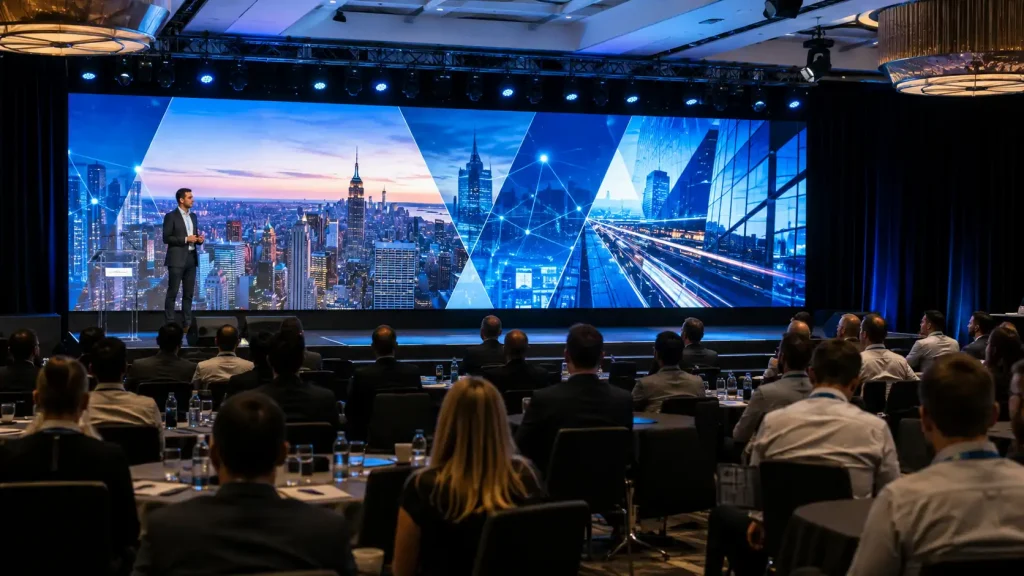
An SMD video wall replaces the projector, the fabric screen and the ambient light problem that comes with both. Event producers in Lahore, Karachi and Islamabad specify fine pitch LED walls for corporate conferences, product launches, award nights and large weddings because the surface stays legible under house lighting and reads cleanly on camera. Presentation […]
Why Flexible LED Displays Are Ideal for Modern Creative Advertising Projects
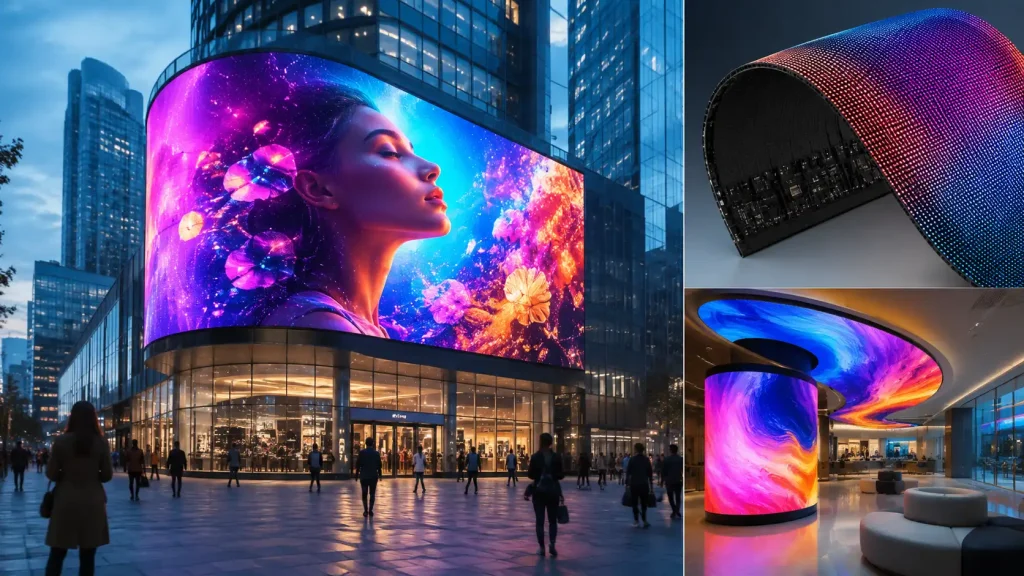
Flat LED panels solve rectangular problems. Creative advertising rarely presents a rectangular problem. Retail columns, curved shopfronts, reception wave ceilings, spiral staircases and cylindrical brand totems all need a display surface that follows the architecture instead of fighting it. Flexible LED modules use a rubber or silicone backed substrate that bends to a cylinder as […]
Common Features to Consider Before Buying Professional SMD Screen Solutions
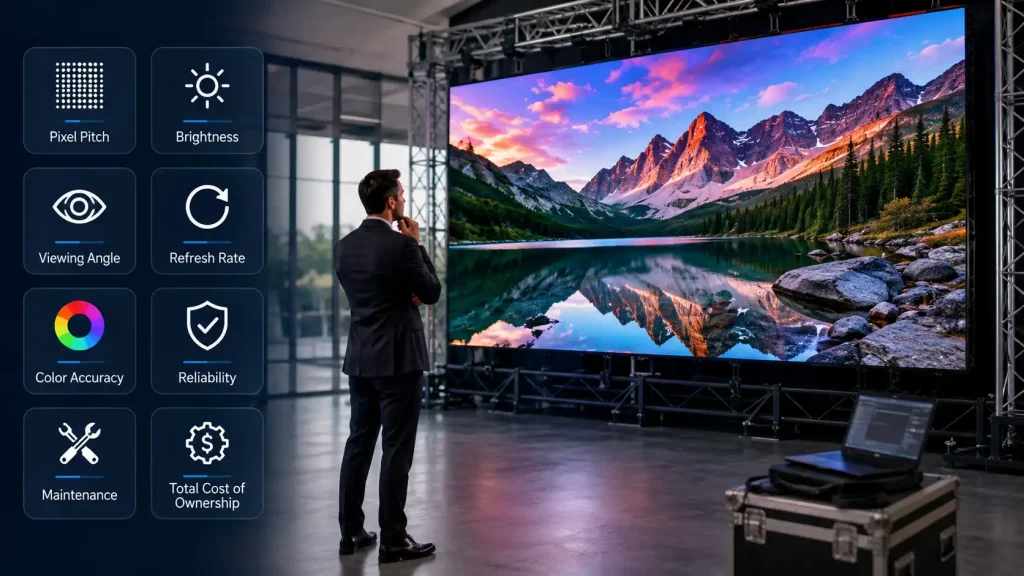
Two SMD screens can carry identical pixel pitch on the quotation and behave completely differently after eighteen months. The difference sits in components buyers rarely ask about: lamp bin consistency, driver IC grade, power supply headroom and warranty wording. This guide lists the twelve features that decide image quality, service life and running cost, in […]